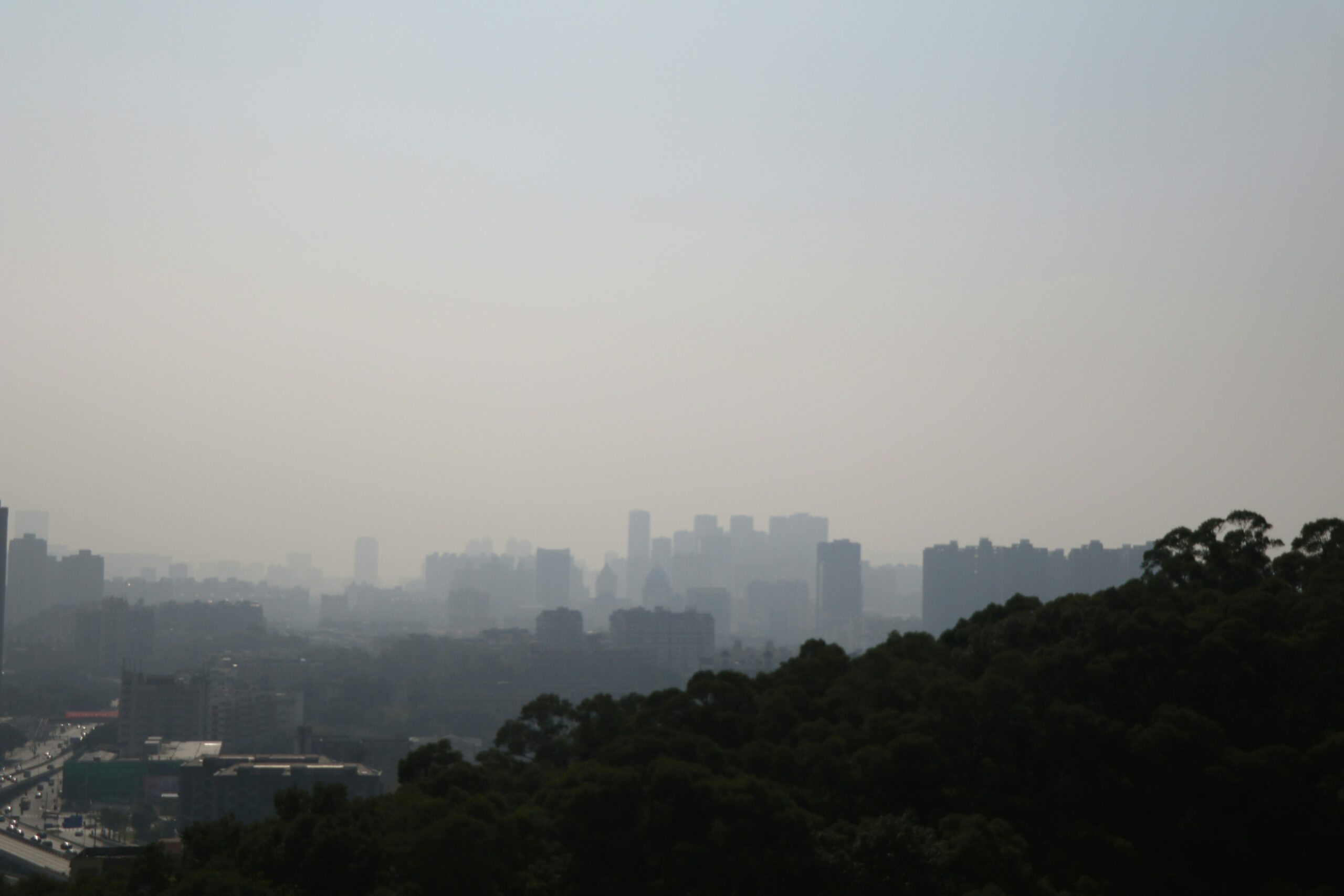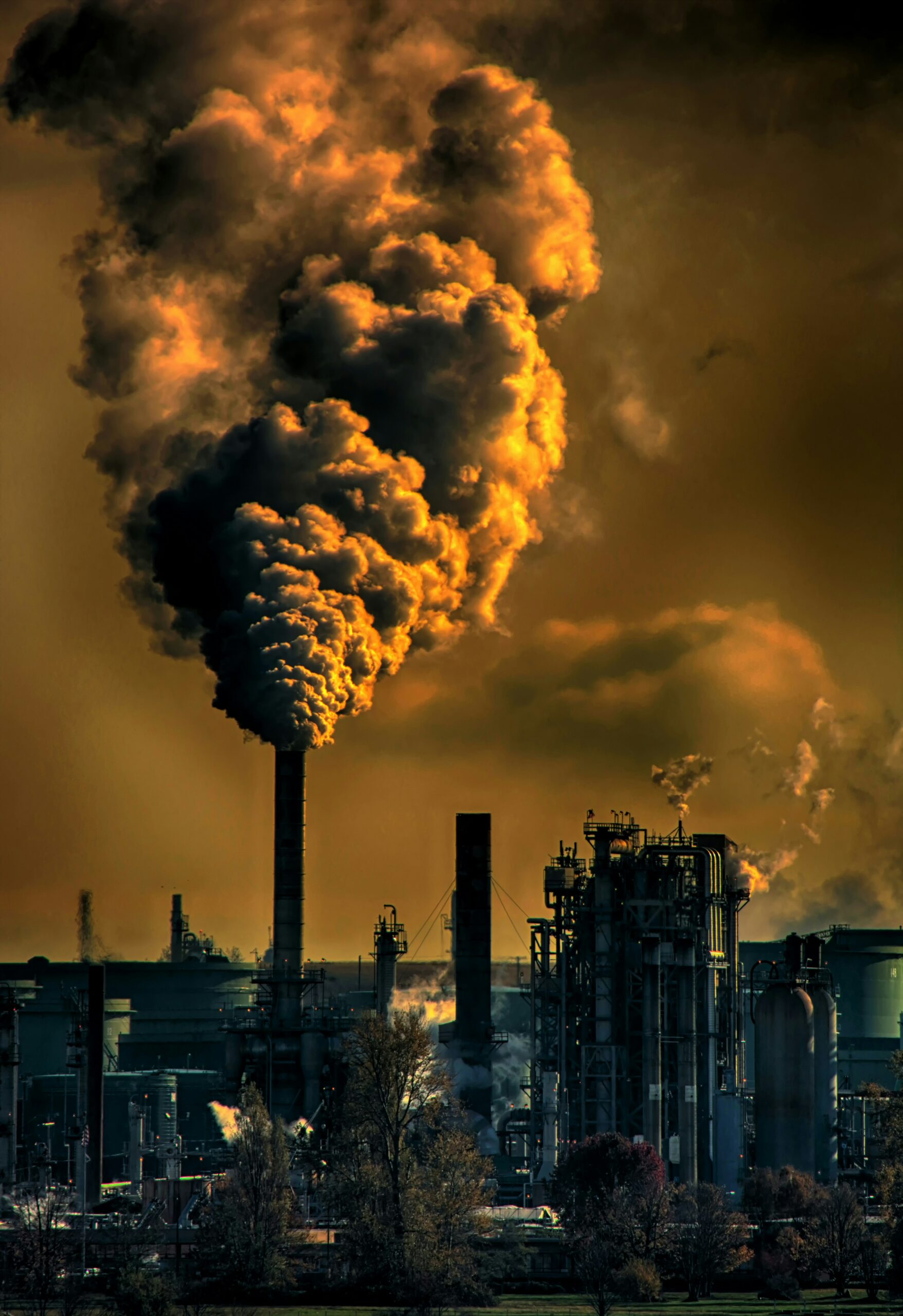
Lede: A stark new assessment from leading climate scientists has confirmed that global greenhouse gas emissions surged to an all-time high in 2023, pushing the planet closer to critical tipping points and intensifying the urgent need for sweeping policy changes and technological innovation. The findings, compiled by the Global Carbon Project and released ahead of the COP29 summit, underscore that the world is not on track to meet the emissions reduction targets set by the Paris Agreement, with current trajectories pointing toward a warming scenario of at least 2.7°C by the end of the century.
Background: The Numbers and the Trajectory
According to the report, total carbon dioxide emissions from fossil fuels and industry reached approximately 36.8 billion tonnes in 2023, a 1.1% increase over the previous year. When land-use changes—such as deforestation—are factored in, the global total rises to over 40 billion tonnes. This marks the first time emissions have climbed to such a level since the pandemic-related dip in 2020, effectively wiping out any temporary climate gains.
The research, involving more than 100 scientists from 90 institutions worldwide, highlights that the primary drivers remain fossil fuel combustion for energy, transport, and industrial processes. Coal, oil, and natural gas continue to account for roughly 88% of all anthropogenic emissions. Notably, emissions from aviation and shipping have rebounded sharply, now exceeding pre-COVID levels.
Regional Disparities: Who Is Emitting?
The data reveals a deeply uneven global picture. China remains the world’s largest emitter, accounting for 31% of total CO2 output, though its per-capita emissions now surpass those of the European Union. The United States follows with 14%, while India’s share has risen to 8%, driven by rapid economic growth and coal-dependent power generation. Meanwhile, the European Union has seen a modest decline of about 3%—a bright spot largely attributed to expanded renewable energy capacity and reduced industrial output.
Developing nations, however, argue that historical responsibility and per-capita equity remain central to any meaningful climate solution. “We are being asked to leapfrog the very fossil fuel infrastructure that built the economies of the West, without adequate financial or technological support,” said Dr. Amara Singh, an energy policy expert at the African Centre for Climate Research.
Human and Economic Consequences
Beyond the data, the report warns of accelerating human costs. Extreme weather events—including record-breaking heatwaves in North Africa, devastating floods in Pakistan, and intensifying wildfires in Canada—have already displaced millions and caused hundreds of billions of dollars in damages. The Intergovernmental Panel on Climate Change (IPCC) estimates that breaching 1.5°C of warming will expose 350 million more people to water scarcity and food insecurity by 2030.
Dr. Elena Martinez, a lead author on the study and professor of earth systems science at the University of Oxford, stressed the urgency: “Every fraction of a degree matters. We are seeing the physical system respond faster than some models predicted. Ambitious action now can still alter the course, but the window is closing.”
What Can Be Done? Next Steps
The report offers three critical areas for immediate action:
- Accelerate the energy transition: Doubling down on solar, wind, and battery storage, which have already seen cost declines of 80%–90% over the past decade.
- Halt deforestation: Forest loss in key carbon sinks like the Amazon and Congo Basin contributed 6% of global emissions in 2023.
- Scale carbon removal technologies: While not a substitute for deep cuts, methods like direct air capture and enhanced weathering will be necessary to neutralize residual emissions.
Global leaders gathering in Baku for the upcoming COP29 summit face mounting pressure to deliver concrete funding commitments for climate adaptation in vulnerable nations and to finalize rules for a global carbon market. Without a binding agreement to peak emissions by 2025, scientists warn that the 1.5°C target will slip beyond reach.
Broader Impact: A Call for Collective Action
The record-high emissions serve as a stark reality check, reminding the world that economic recovery and climate progress are not automatically aligned. As Dr. Martinez concluded, “The science is clear. The tools exist. The missing piece is political will. We have the chance to write a different future—but only if we start now.”
For readers interested in staying engaged, resources such as the World Resources Institute’s Climate Watch platform and the IPCC’s Sixth Assessment Report offer accessible, data-driven insights into national climate actions and their outcomes.