Lede
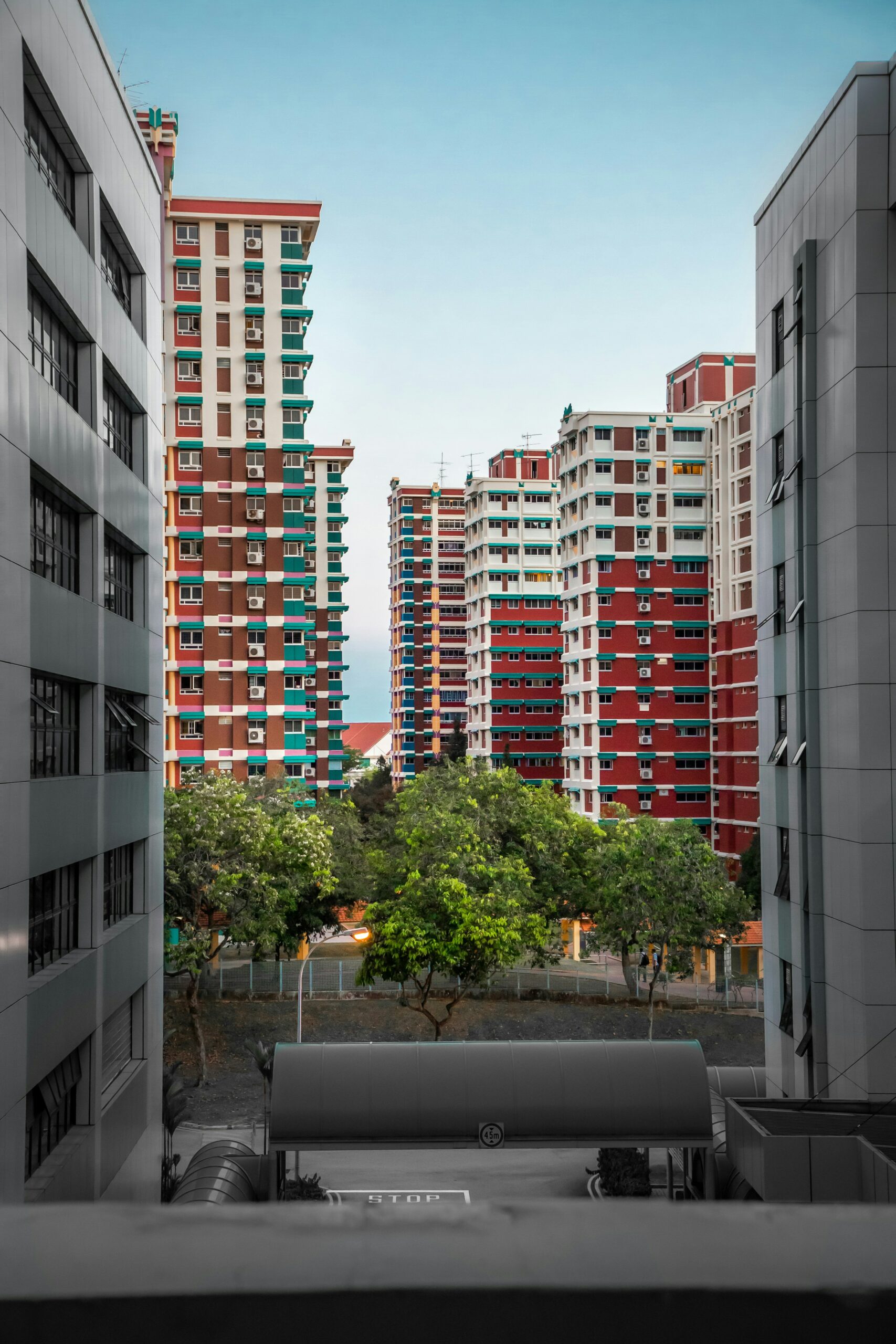
Singapore, 15 October 2023 – A growing number of middle-class households in Singapore are struggling to keep up with the cost of living, as rental prices have surged by more than 30 percent over the past two years while wages have failed to keep pace. According to a new report from the National University of Singapore’s Institute of Real Estate and Urban Studies, the median monthly rent for a three-room HDB flat now exceeds S$2,800 for the first time, pushing thousands of families to spend more than half their monthly income on housing.
Background: A Double-Edged Recovery
The city-state’s post-pandemic economic rebound has been uneven. While the financial and tech sectors have seen robust hiring and bonuses, service industries such as retail and hospitality have lagged. The result is a widening gap between high-earning professionals and the broader workforce. “We’re seeing a classic affordability crisis: the people who keep the city running—nurses, teachers, retail workers—are the ones being priced out,” said Dr. Lim Hui Shan, a housing economist at the Lee Kuan Yew School of Public Policy.
The government has attempted to cool the rental market by increasing the supply of public housing flats and imposing stricter rules on short-term rentals, such as Airbnb. However, analysts say these measures will take at least 12 to 18 months to affect prices meaningfully.
Human Impact: “I Never Thought This Would Happen to Me”
For Cheryl Tay, a 34-year-old administrative manager, the squeeze has forced her family to move twice in one year. “We thought buying a resale flat would give us stability, but the monthly mortgage and rising utilities meant we had to rent it out and move to a smaller place. Even that is now too expensive,” she said. Tay’s story is increasingly common, as the city-state’s homeownership rate—once the world’s highest—faces pressure from a new generation of young families priced out of the market.
Data Snapshot
- Median rent for a four-room HDB flat: up 34% from Q1 2021 to Q3 2023.
- Share of household income spent on housing among middle-income earners: from 28% to 42% over the same period.
- Number of households applying for rental assistance: rose by 18% year-on-year in September, according to the Ministry of Social and Family Development.
Broader Economic Implications
The housing crunch is not just a social issue—it carries macroeconomic risks. When households spend more on rent, they cut back on other spending, slowing consumer-driven growth. It also threatens Singapore’s ability to attract foreign talent, a key pillar of its economy. “If expatriates can’t find affordable housing, they’ll look at Dubai or Hong Kong,” warned Mr. James Low, director of a regional HR consultancy.
Next Steps: Policy Tools and Personal Strategy
The government is expected to announce a new package of cooling measures before the end of the year, potentially including higher grants for first-time buyers and stricter loan-to-value ratios for investors. For tenants, experts advise locking in two-year leases when possible to hedge against further hikes, and considering non-mature estates like Woodlands or Jurong West, where rents remain 15 to 20 percent lower than central areas.
Related Reading
- Housing affordability index by the Urban Redevelopment Authority (URA)
- “Navigating Singapore’s Rental Market: A 2023 Guide” – Singapore Business Review
- Budgeting templates from the National Council of Social Service (NCSS)
This article was reported with data from the Housing & Development Board, Ministry of Trade and Industry, and interviews with affected residents.