HONG KONG — Four of Hong Kong’s most acclaimed stage artists are reuniting after seven years to mount a new theatrical production that explores the city’s identity through its humble street food and home cooking, blending live performance with real smells and tastes.
Leung Cho-yiu, Peng Siu-wai, Tong Chun-yip and Siu Mei-gwan — known collectively as the core of the city’s independent theater scene — will premiere “Taste of Memories” later this year, a sequel to their 2017 hit “Memories of Hong Kong.” The new show uses food as a lens to examine Hong Kong’s social and historical evolution, from pre-colonial times to the present.
Food as Storyteller
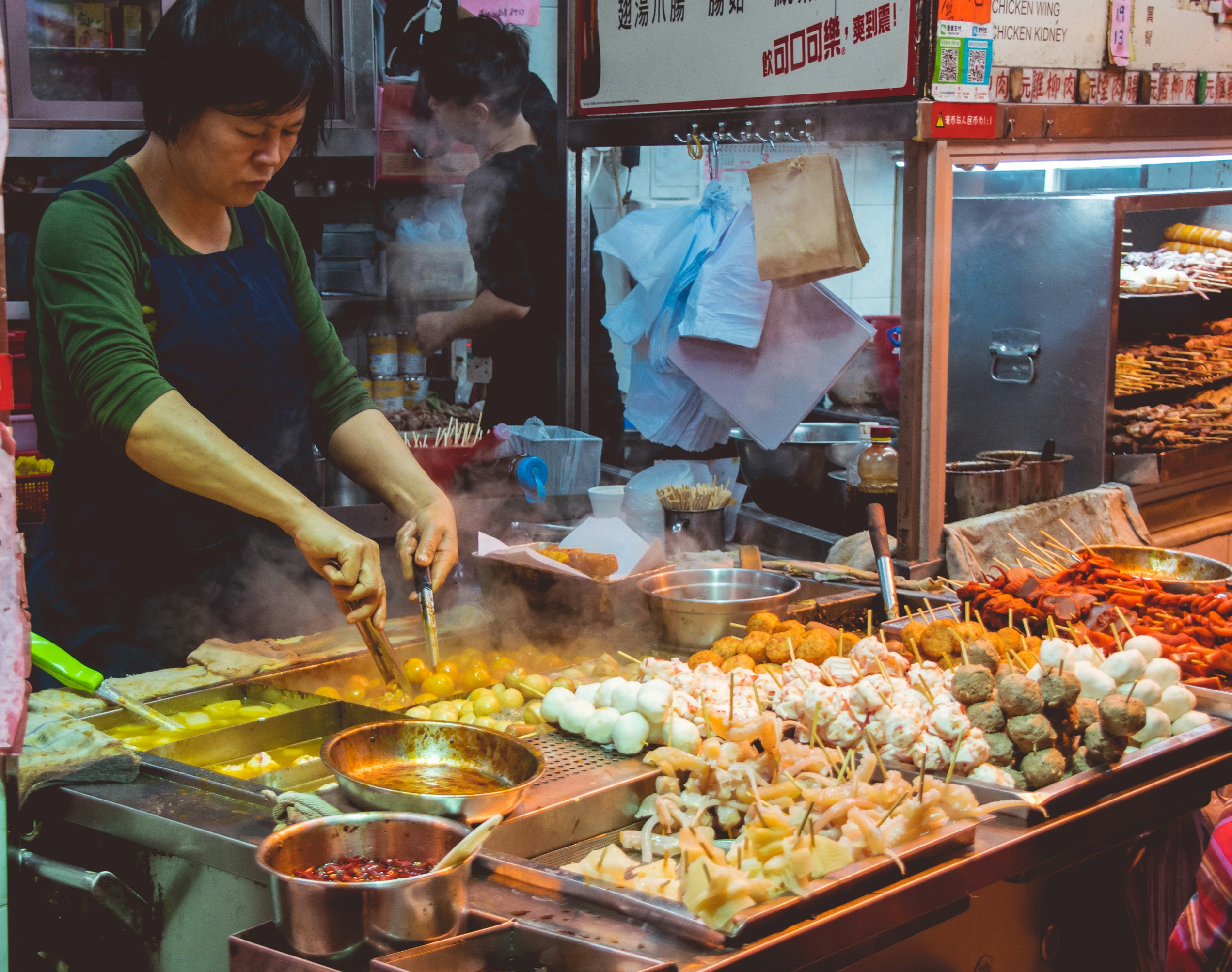
The production draws on extensive research, including deep-dive neighborhood tours and interviews with home cooks, street vendors and master chefs. Scenes range from refined Cantonese haute cuisine to Hakka poon choi (communal feast dishes) from the remote village of Sha Tau Kok.
“How do you present taste on stage? We can actually cook live so the audience smells it — and, with any luck, they can even taste it,” Leung said in a recent interview. “We will overcome every obstacle to let the audience feel it right there.”
Tong Chun-yip noted that Hong Kong’s population has historically come from across China, creating a culinary “hybrid.” “Hong Kong people’s menus are like mixed-race children — they gather flavors from everywhere,” he said. “We explore what people ate before the port opened, how history changed their diets, and how new choices emerged as lifestyles shifted.”
The Five Flavors of Life
Each performer identified with a specific taste from the Chinese five-flavor spectrum: sweet, sour, bitter, spicy and salty.
Leung, who chose salty, described it as the taste of sweat and tears. “After hard work, you taste the salt on your skin. That represents labor, hardship. Now that the hardest, most unhappy times are behind me, I enjoy salty things.”
Siu Mei-gwan opted for spicy, saying a little kick jolts people awake and prepares them for challenges. Tong Chun-yip said sour offers “a wake-up call — a shock that makes everything feel possible.” Peng Siu-wai said she wants to bring sweetness to her friends and audiences. “I used to feel sweet was distant from me. But after going through so much, I have fewer burdens. When people feel lost or defeated, I want to give them a little happiness.”
Industry Strains and Hopes
The revival comes amid a surge in newcomers to Hong Kong theater, driven partly by a sluggish film industry. With more productions competing for limited venues, the phrase “more monks than porridge” has become real, the artists acknowledged.
“In the long run, this is good — it means diversity,” Tong said. “Creativity is infinite, but operations are finite. Only when creativity and management come together do we get good works. If newcomers do one or two shows and are lucky enough to break even, they can reinvest. The key is spending time to accumulate experience and produce quality work that keeps audiences coming back.”
His long-term dream: “If every show sells, audiences are happy, and even property developers see potential — then they’ll build more theaters for different troupes. Right now, the biggest problem is that theater lacks corporate resources. More resources would benefit everyone.”
Leung cautioned that newcomers must commit seriously. “If they just come to play around, they won’t accumulate experience. Under confusion, they might suddenly leave — that doesn’t help the industry. Nobody knows the future, but if they come, they should invest long term and respect stage performance as an art form.”
He rejects the notion of unhealthy competition. “More good works ultimately benefit Hong Kong audiences. We learn from each other.”
Peng warned that audiences can become fatigued when too many shows compete for limited entertainment budgets. “Theater tickets aren’t cheap. Audiences unfamiliar with theater might buy based on star power. Different performances offer different experiences — the key is delivering quality.”
Broader Implications
As Hong Kong’s cultural landscape shifts — with film production shrinking and live performance struggling to secure space and funding — “Taste of Memories” arrives as both an artistic statement and a litmus test for the resilience of independent theater. If it succeeds, it may encourage more investment in purpose-built venues and long-term programming, potentially reversing a decades-long shortage that has frustrated Hong Kong’s performing arts community.
Related reading: Memories of Hong Kong (2017 production); Hong Kong Arts Development Council grants for theater; City’s venue shortage report by Hong Kong Federation of Drama Societies.