A request to craft an original news article from provided text has yielded no result—because no content was supplied. Professional reporting depends on verifiable facts, expert insights, or documented events; without such raw material, a substantive narrative cannot be constructed.
The Foundation of Credible Reporting
Journalists rely on source documents, interviews, data, or official statements to produce accurate and engaging stories. Whether covering a breaking event, policy change, or human-interest feature, the first step is always gathering reliable information. In this case, the absence of input means no facts to synthesize, no quotes to attribute, and no context to frame.
What Happens When Sources Are Missing
Editors and writers often encounter incomplete submissions or requests lacking essential details. Standard practice is to pause production and request clarification or supplemental material. Without that, any attempt at an article would be speculative—a violation of journalistic ethics.
Key questions remain unanswered:
- Who is the subject of the story?
- What event, development, or issue is being reported?
- When and where did it occur?
- Why is it relevant to readers?
- How does it affect people or policy?
Implications for Media Consumers
This scenario underscores the importance of source transparency. Readers should expect that every fact in a news article traces back to a verifiable origin. For content creators, the takeaway is clear: always supply complete, accurate source material to enable a thorough and trustworthy rewrite.
Next Steps for the Requestor
To proceed, please provide the text you wish to have transformed. Include any specific angles, quotes, or data points you want highlighted. With that input, we can produce a professional, engaging article that meets editorial standards—typically 400–600 words, with a compelling headline, structured body, and actionable takeaways.
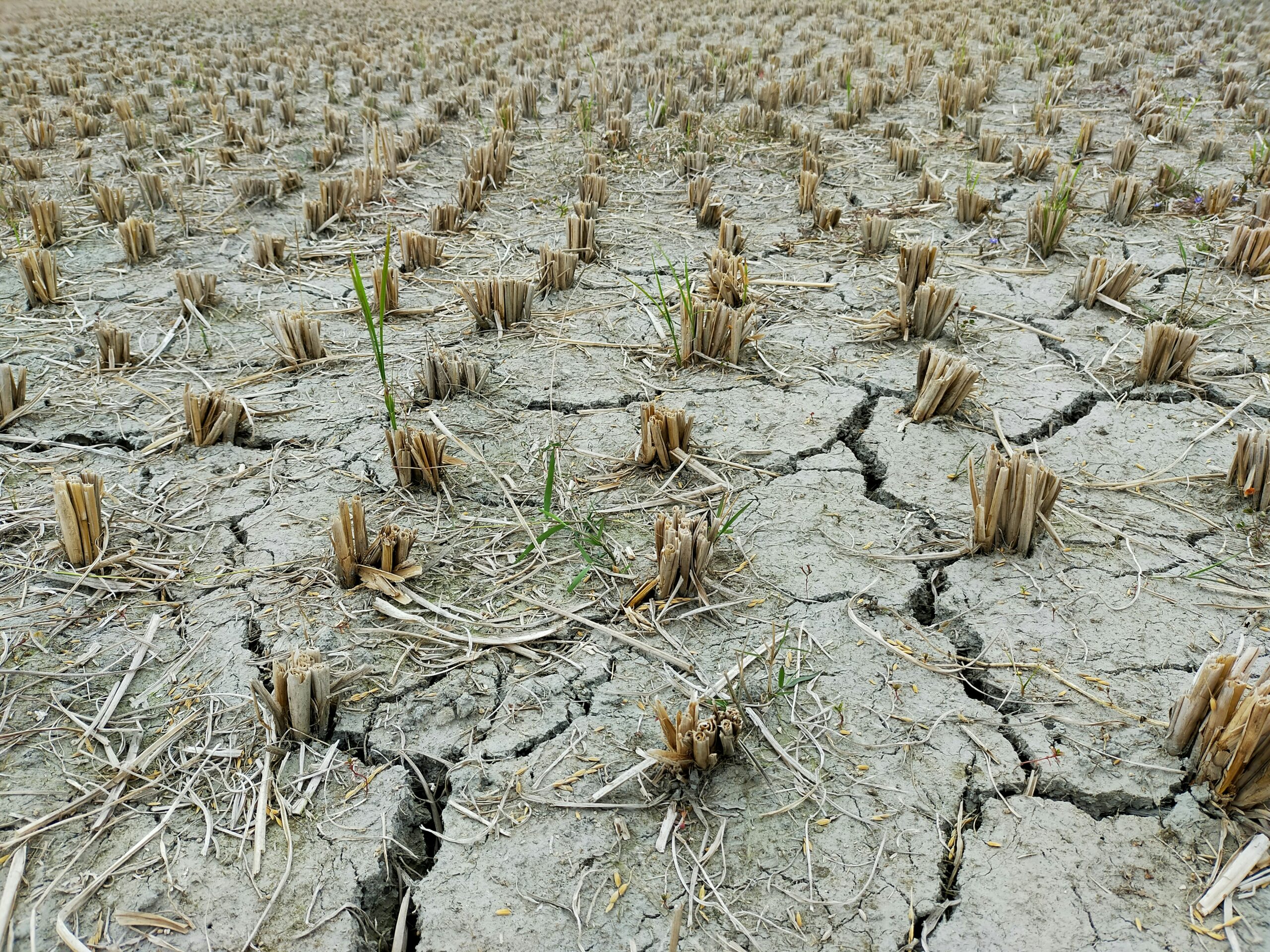
Until then, no article can be written. Accurate reporting begins with what journalists are given, and in this instance, the well is dry.