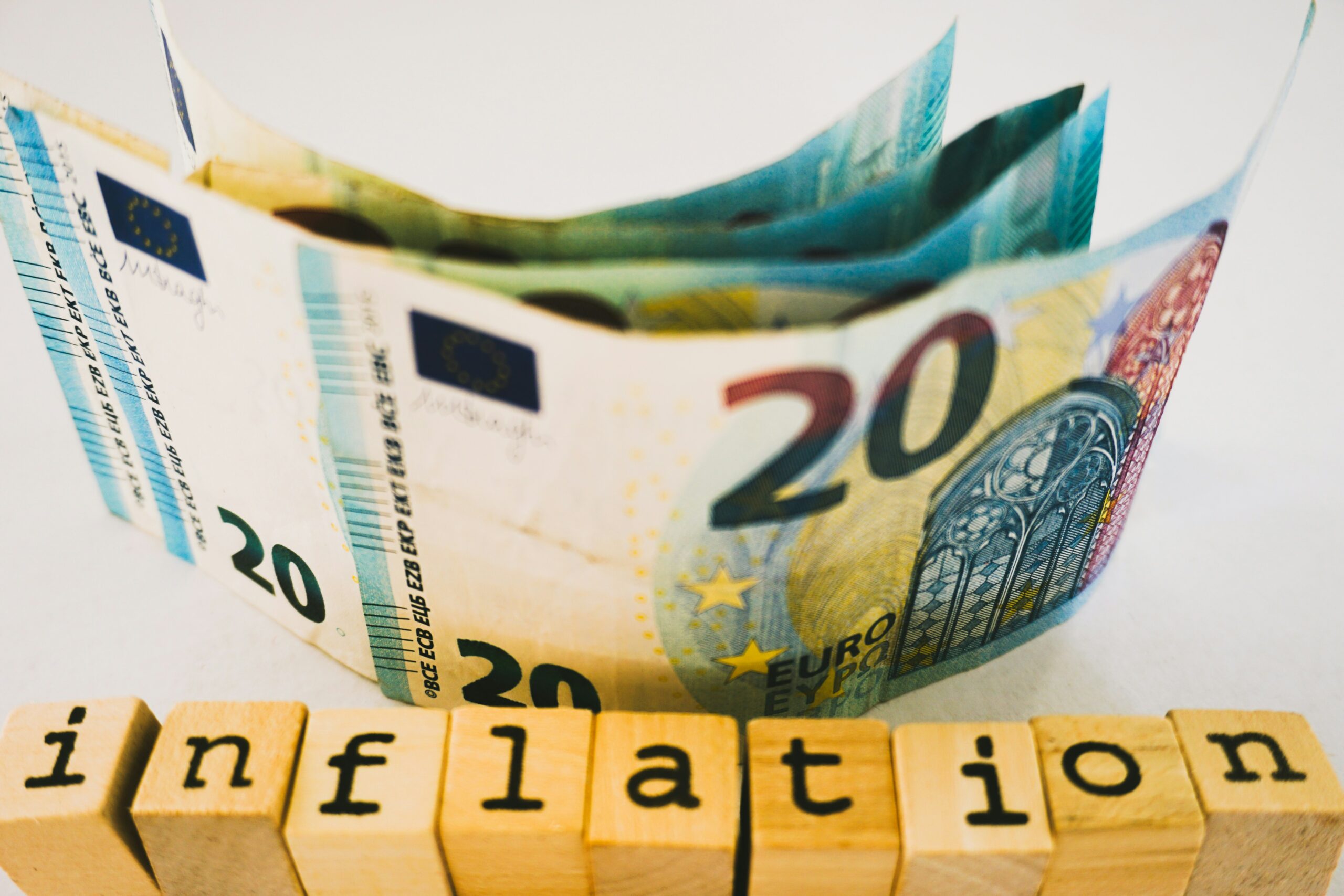
The global economy is exhibiting tentative signs of stabilization as inflation rates in several major markets begin to cool from their multi-decade highs. Recent economic data released this week suggests that the aggressive monetary policies enacted by central banks over the past two years may finally be yielding results, though experts warn the path forward remains precarious. While consumers are beginning to see relief at the checkout counter, economists caution that declaring total victory over inflation is premature.
For the better part of two years, households worldwide have grappled with the eroding purchasing power of their incomes. Driven by a perfect storm of post-pandemic supply chain disruptions, soaring energy costs precipitated by geopolitical conflicts, and robust consumer demand, inflation peaked at levels not witnessed since the 1980s. In response, central banks from Washington to London enacted a rapid succession of interest rate hikes designed to temper demand and anchor price stability.
Now, the tide appears to be turning. In the United States, the Consumer Price Index (CPI) has registered slower annual gains for several consecutive months, moving closer to the Federal Reserve’s target of two percent. Similarly, the Eurozone and the United Kingdom have reported disinflationary trends, as energy prices retreat from the spikes seen following the outbreak of war in Ukraine.
What is driving the slowdown?
Several factors are contributing to this downward trajectory. The most significant is the normalization of global supply chains. Shipping costs have reverted to pre-pandemic levels, and the shortages of critical components, such as semiconductors, have largely abated. Furthermore, the initial shock to energy markets has faded, providing a cushion for household budgets that were previously stretched thin by heating and fuel costs.
However, core inflation—which excludes volatile food and energy prices—remains sticky. Service sector costs, driven largely by wage growth and a tight labor market, are proving more resistant to interest rate adjustments. This persistence complicates the outlook for central bankers who must now decide when to pivot from raising rates to lowering them.
The “Soft Landing” scenario
The ultimate goal for policymakers is achieving a “soft landing”—bringing inflation down to target levels without triggering a severe recession. Currently, the data suggests this might be achievable. The labor market has shown surprising resilience; unemployment remains historically low in many developed economies, and consumer confidence is gradually recovering.
Yet, risks linger on the horizon. Geopolitical instability in the Middle East poses a threat to oil prices, and the full impact of previous rate hikes often takes months, or even years, to fully permeate the economy. This “lag effect” means that policymakers must tread carefully to avoid over-tightening, which could unnecessarily stifle economic growth.
What this means for consumers
For the average household, these macroeconomic shifts translate to a gradual easing of financial pressure. While prices are not necessarily dropping back to pre-2020 levels, the pace at which they are rising has slowed significantly. This stability allows for better financial planning and restores some purchasing power over time.
Financial analysts suggest that consumers should remain vigilant. While the era of hyper-inflation appears to be waning, interest rates are likely to remain elevated in the near term. This environment impacts everything from mortgage rates to credit card APRs. Experts recommend that individuals focus on paying down high-interest debt and maintaining robust emergency savings, as the economic outlook remains fluid.
As central banks navigate this transition, the focus is shifting from the intensity of the inflation fight to the duration of the holding pattern. The coming months will be critical in determining whether the global economy can sustain this delicate balance, moving from crisis management to stable, long-term growth.