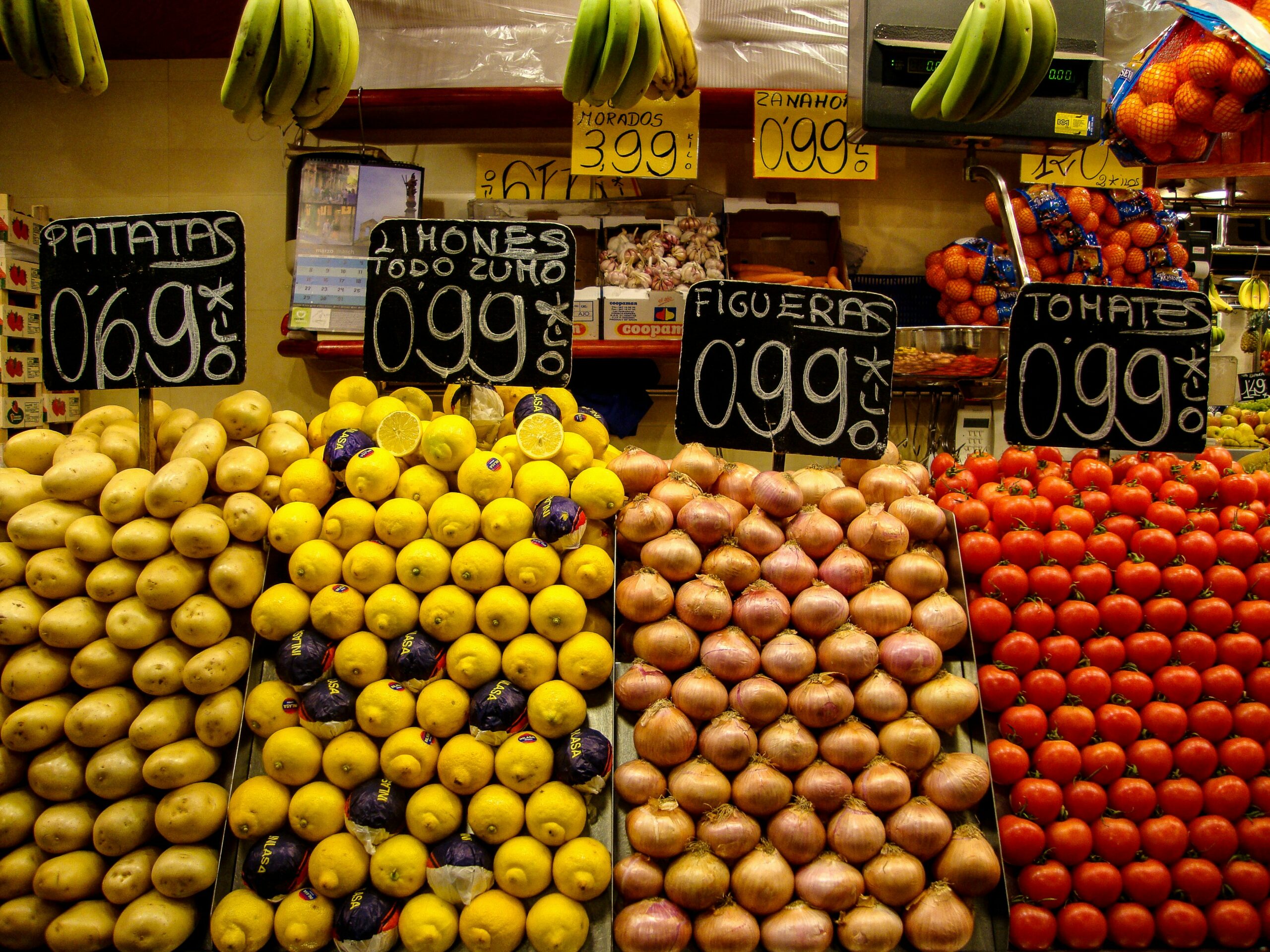
World food commodity prices have largely flattened out in recent months following a period of extreme volatility driven by high inflation and geopolitical conflict, according to recent analysis from the UN’s Food and Agriculture Organization (FAO). The latest data indicates that while prices remain elevated compared to pre-pandemic benchmarks, the intense upward pressure witnessed in 2022 has significantly eased, offering a measure of relief to consumers and policymakers grappling with the cost of living crisis. This stabilization stems from improved global supply chain resilience, robust harvests in several key exporting regions, and an uptick in essential grain and oilseed stock levels.
The FAO Food Price Index (FFPI), a measure tracking the international monthly price changes for a basket of commonly traded food commodities, registered minimal movement in the most recent reporting period. This trend suggests that immediate supply shocks are being better absorbed by the global marketplace.
Easing Pressure on Key Commodities
The most pronounced price adjustments were observed in vegetable oils and certain cereal markets. Following record highs catalyzed partly by shipping constraints and adverse weather, global prices for edible oils—including palm, soy, and rapeseed—have fallen considerably. Increased production forecasts in Southeast Asia, coupled with recovering stockpiles in exporting nations, have played a pivotal role in this decline.
In the cereals complex, wheat prices experienced further downward pressure. Abundant harvests in major producing countries, alongside renewed competition among exporters, helped moderate market sentiment. However, rice prices displayed a counter-trend; recent export restrictions implemented by several key Asian nations heightened global trade uncertainty, causing prices for the staple commodity to climb.
Meat and dairy prices showed mixed but generally stable movements. Dairy markets saw marginal decreases, reflecting solid supply output from Oceania and Europe. Conversely, meat prices registered slight increases, mainly attributable to high demand and continued issues concerning animal health in specific regions.
Implications for Consumers and Policymakers
This pause in relentless food price inflation provides a crucial window for global economies to manage broader inflationary expectations. For consumers, the stabilization, while not immediately translating into drastic price drops at the supermarket checkout—due to factors like energy costs and domestic processing expenses—is a positive indicator.
“The flattening of the index doesn’t mean food is cheap, but it signals the global system is catching its breath,” said Dr. Eleanor Vance, an economic analyst specializing in agricultural markets. “The primary concern now shifts from acute scarcity to the sustained impact of structural costs, particularly logistics and labour, on the final shelf price.”
The stabilization of global prices is particularly beneficial for food-insecure nations heavily reliant on imports. Lower import bills free up scarce governmental resources that can be redirected toward strengthening domestic social safety nets.
The Path Forward: Monitoring New Risks
While the immediate crisis has subsided, experts caution that the global food system remains vulnerable. Climate change continues to pose an existential threat to crop predictability, while geopolitical tensions could rapidly disrupt crucial maritime trade routes.
Policymakers and industry leaders must concentrate efforts on enhancing long-term resilience through strategic investments:
- Diversification of Supply: Reducing reliance on a small number of export hubs.
- Climate-Resilient Agriculture: Supporting farming methods sustainable under changing weather patterns.
- Stock Management: Maintaining strategic reserves to counter unexpected shocks.
The current stability offers temporary relief, but sustained vigilance and proactive planning are essential to ensure long-term food security and accessible prices worldwide.