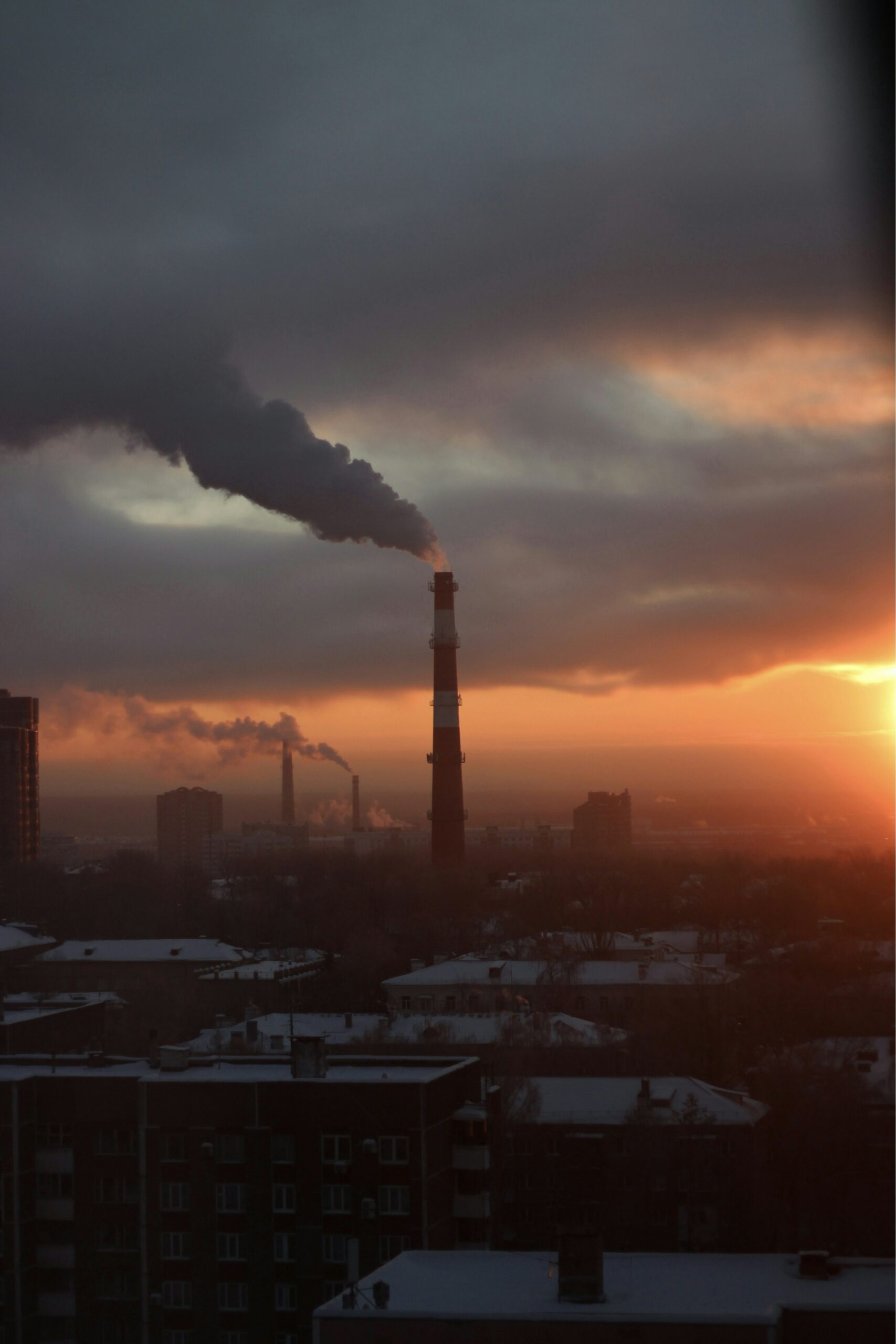
GLASGOW — Global carbon dioxide emissions must reach their highest point before 2025 and subsequently decline rapidly if the international community is to successfully cap average global temperature increases at 1.5 degrees Celsius above pre-industrial levels, the United Nations’ top climate science body warned in a landmark report released this week. The assessment by the Intergovernmental Panel on Climate Change (IPCC) provides the clearest picture yet of the necessary pace and scale of economic transformation required to avert the most catastrophic effects of planetary heating.
The report, compiled by hundreds of scientists and approved by 195 governments, emphasizes that current global commitments—even if fully implemented—are woefully inadequate for achieving the ambitious 1.5°C target established under the Paris Agreement. To stay on track, deep and sustained emissions cuts across all sectors, including energy, industry, transport, and food production, are essential.
Decisive Action Needed Across All Sectors
The IPCC laid out clear, quantitative pathways, highlighting that fossil fuel usage must diminish significantly faster than currently projected. Coal-fired electricity generation, in particular, must be nearly phased out globally by mid-century. While renewable energy costs have plummeted and adoption rates increased sharply in the last decade, the report stresses that these successes must be accelerated further.
Achieving the steep cuts necessitates immediate systemic changes, moving far beyond incremental policy adjustments. Key findings indicate:
- Energy Transition: Massive investment is required to triple or even quadruple the share of wind and solar power in the global energy mix by 2030. Simultaneously, countries must swiftly retire unmitigated fossil fuel infrastructure.
- Cities and Buildings: Urban planning and retrofitting existing structures represent a significant opportunity. Adopting energy-efficient building codes, promoting public transport, and enabling walking and cycling are crucial levers for reducing urban emissions.
- Industry and Technology: Hard-to-abate sectors like steel and cement production require urgent development and deployment of technologies such as green hydrogen and carbon capture and storage (CCS).
- Consumption and Behaviour: The report acknowledges that shifting consumption patterns, particularly in high-income nations, can significantly reduce demand for fossil fuels and high-emission goods.
The Role of Finance and Equity
The scale of transformation demands a corresponding increase in financial flows. Although capital is increasingly available for climate mitigation, it remains heavily skewed geographically, with developing nations often struggling to secure the necessary funding for both adaptation and clean energy transitions. The IPCC strongly asserts that addressing climate change requires international cooperation to unlock and redirect trillions of dollars toward sustainable development in the Global South.
“The scientific evidence is unambiguous: we have the tools, the knowledge, and the resources to secure a livable future,” stated Dr. Aditi Sharma, an energy policy expert who contributed to the report. “But the window of opportunity is closing rapidly. Every fraction of a degree matters, and every year of delay costs us exponentially more.”
Pathways to Net Zero
While the headline focus is on the crucial 2025 peak, the ultimate goal remains achieving net-zero emissions globally around the middle of the century. Net zero means that any remaining residual emissions must be balanced by removals, either through natural sinks (like forests) or technological means.
The report offers a stark warning: exceeding the 1.5°C threshold is still possible, but limiting temperature rise requires pulling back from the precipice immediately. Policy choices made in this critical decade will determine the long-term stability of the global climate system, impacting everything from food security and global health to economic stability. The upcoming round of national climate plan updates (Nationally Determined Contributions or NDCs) will be a crucial litmus test of global resolve.