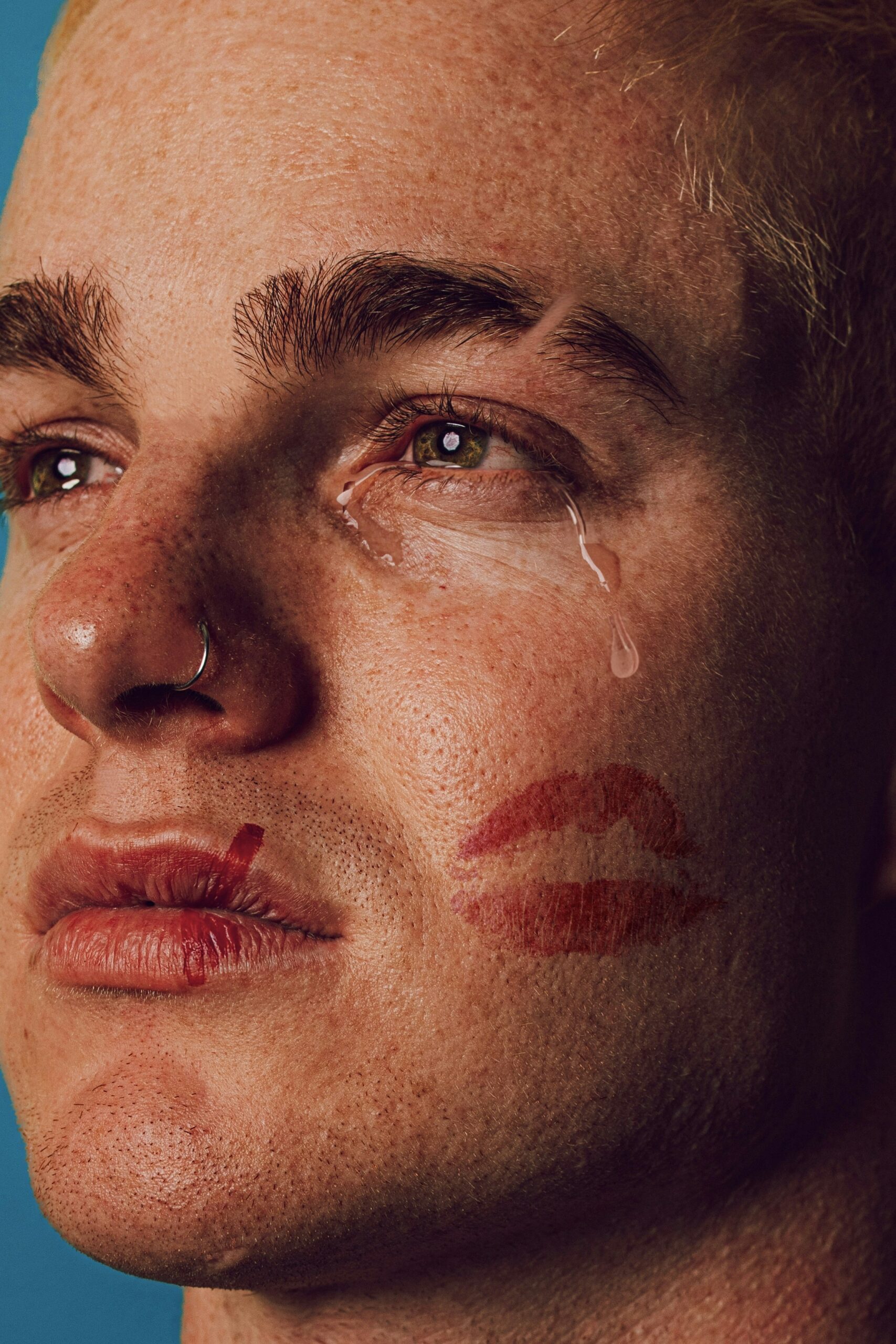
A popular Asian discussion program recently tackled the evolving concept of male emotional expression, contrasting the entrenched notion of “men don’t cry” with contemporary acceptance of male vulnerability. The panel of hosts on ViuTV’s talk show, Late Night Chat – Men Talk Nonsense, explored how modern societal expectations challenge traditional stoicism, ultimately revealing a prevailing reluctance among many men, particularly in intimate relationships, to expose their deeper emotional frailties.
The episode, featuring hosts Kwo Ka-chun (193), Thor Lok, Tam Kin-kwong (Tam Shook), and Helen Tam, centered on the theme of “the surging value of a man’s tears.” While acknowledging cultural shifts, the hosts provided insight into the internal conflict many men face when balancing emotional authenticity with perceived strength.
Kwo Ka-chun, known as 193, asserted a stark traditional view, stating that crying in front of a partner suggests weakness. “Generally, men are supposed to protect women,” he remarked, indicating a clear separation between the protective male role and emotional openness.
Fellow host Thor Lok shared a deeply personal experience, illustrating that tears often surface only during moments of intense, unavoidable crisis. He recounted rushing late one night to visit a friend gravely ill with cancer. Despite maintaining a facade of composure for his friend and fellow visitors—exchanging comforting, yet perhaps hollow, assurances that “everything will be fine soon”—the group broke down immediately upon leaving the hospital room. Lok described the embrace as witnessing mutual vulnerability. Driven by a desire to conceal his distress, he subsequently returned to his workplace and deliberately acted as if nothing had happened, hiding the fact that he had wept.
Veteran broadcaster Tam Kin-kwong, known as Tam Shook, strongly echoed the historical mandate against male tears: “In the past, the consensus was that a grown man shouldn’t cry.” He even dramatically claimed that in earlier times, a man “wouldn’t cry even if he were stabbed twice.” Tam recalled an instance early in his career when demoralizing criticism from senior colleagues, following a grueling 20-hour shoot, caused him immense self-doubt. The subsequent quiet encouragement from a single crew member triggered a sudden, overwhelming emotional release that he vowed to remember forever.
Addressing the cultural pressure to suppress emotion, Tam Shook humorously recalled a past breakup where, to avoid public embarrassment, he sought anonymity by crying in a funeral home. “I pretended to be a relative there, and no one questioned it,” he admitted.
In stark contrast, Helen Tam championed emotional parity, arguing that it is entirely acceptable for men to cry in front of her. She emphasized that contemporary society should discourage emotional suppression to prevent severe mental health issues, or “emotional burnout.”
The discussion momentarily shifted to the hosts’ professional lives as performers, where sincerity is sometimes mandatory. 193 conceded that during reality television filming, emotion must flow naturally: “When the camera is rolling for a reality show, you just have to cry when you need to.” However, he quickly reiterated his belief that such vulnerability should not extend to his partner.
Lok seized on this distinction, challenging 193: “But you’ve cried in front of [producer] Ms. Fa?” The panel erupted in laughter. 193 quickly differentiated the relationship, responding, “I don’t need to protect her, and I don’t calculate whether she’s a man or a woman.” This humorous exchange underscored the complex, often arbitrary, lines drawn by men regarding who is worthy of witnessing their emotional truth.
The segment highlighted a global trend: while societal discourse increasingly encourages men to embrace their feelings, decades of conditioning often lead them to reserve their deepest vulnerabilities for non-intimate, crisis-driven moments, or the confines of professional demands, rather than openly sharing them with those they seek to protect.