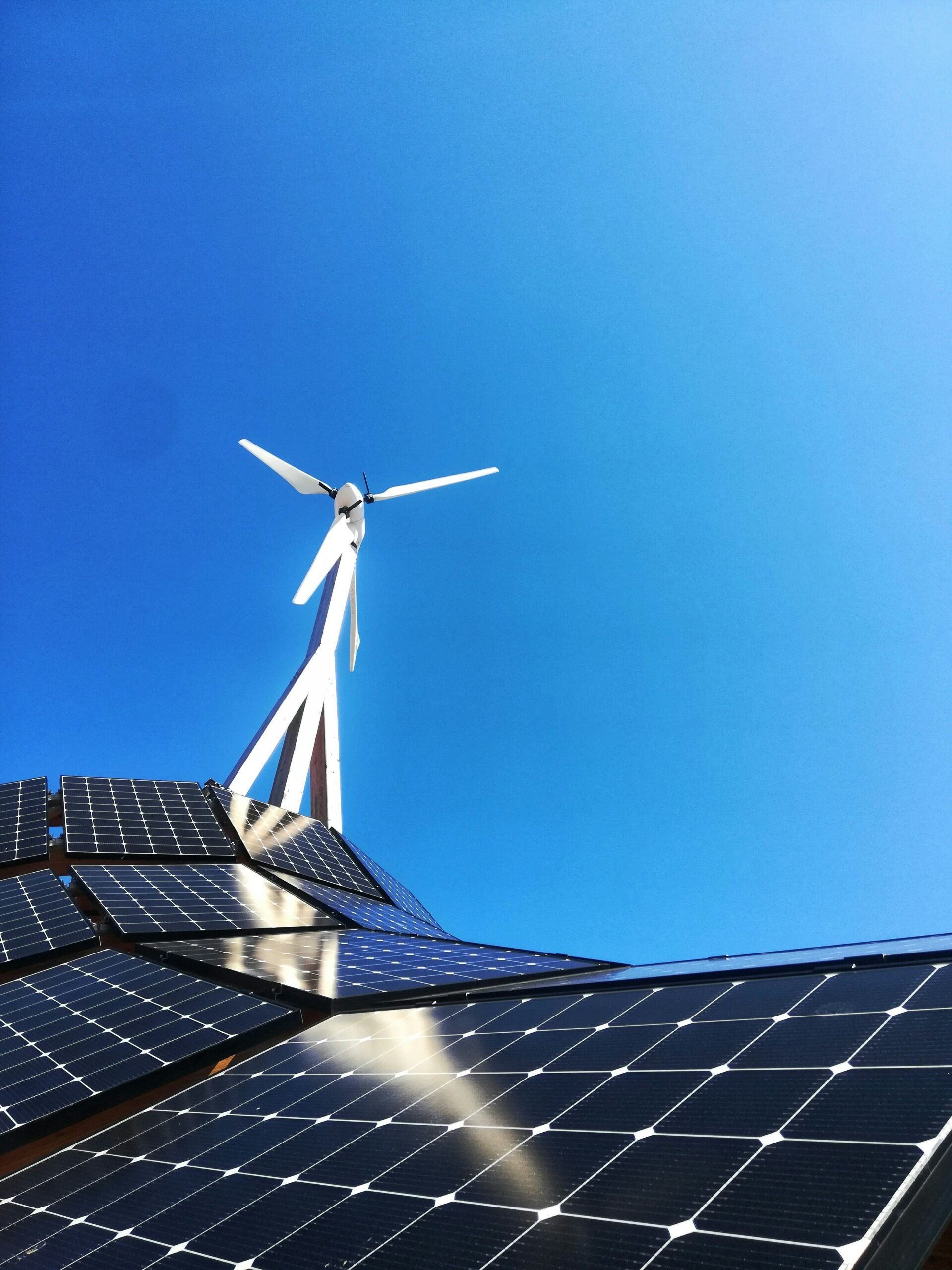
The worldwide push toward renewable energy sources is gaining unprecedented momentum, signaling a critical turning point in the collective effort to combat climate change and achieve ambitious net-zero emissions targets. Driven by rapidly falling costs, technological innovation, and urgent government mandates, electricity generation is increasingly shifting away from traditional fossil fuels, fundamentally reshaping the global energy landscape.
A Unified Global Commitment
Analysts and international bodies confirm that the global trajectory toward sustainable energy is accelerating, primarily fuelled by significant investments in solar and wind power. These technologies are now frequently the most affordable options for new power generation in many regions, surpassing the lifetime costs of coal and gas plants. Crucially, this transition is not uniform; while developed nations are focusing on grid modernization and storage solutions, emerging economies are leveraging renewables to meet soaring energy demands without locking into high-carbon infrastructure.
Recent data from the International Energy Agency (IEA) highlights this significant transformation. For the first time, new global capacity additions from renewables significantly outpaced fossil fuel installations, underscoring a fundamental market shift. Government policies—including tax credits, feed-in tariffs, and stricter regulatory frameworks for carbon emissions—are providing the necessary stability and incentive for sustained private-sector infrastructure spending.
Technological Breakthroughs Drive Efficiency
The declining cost curve of solar photovoltaic (PV) panels and wind turbines has been the primary economic accelerant. Since the early 2010s, the cost of solar power has plummeted by over 80%, transforming it from a niche, subsidized technology into a mainstream, competitive energy source. Simultaneously, advancements in both onshore and offshore wind technology have led to larger, more efficient turbines capable of generating greater power yields.
While generation is surging, tackling intermittency remains a core challenge. When the sun is not shining or the wind is not blowing, reliable energy supplies must be maintained. This has spurred a massive expansion in energy storage solutions, particularly utility-scale lithium-ion batteries.
“Storage is the final piece of the puzzle that allows high penetration of renewables,” explains Dr. Anya Sharma, a climate economist specializing in energy transitions. “Current innovations in battery chemistry and grid-scale deployment promise to make truly 24/7 renewable-powered grids a reality sooner than previously projected.”
Economic and Environmental Implications
The transition offers profound benefits beyond emissions reduction. Economically, it is generating millions of new high-skill jobs in manufacturing, installation, maintenance, and research across the globe. Furthermore, reliance on domestically generated renewable energy enhances energy security, reducing exposure to volatile international commodity markets and geopolitical instability surrounding oil and gas supplies.
However, the shift presents complex logistical hurdles. Existing electricity grids, designed for centralized power generation, require extensive upgrades—often termed smart grids—to manage the decentralized nature and two-way flow of renewable power. Moreover, ethical procurement of critical minerals used in batteries and solar panels requires vigilant oversight to ensure sustainability and fair labour practices throughout the supply chain.
As nations finalize their commitments under the Paris Agreement, the momentum behind renewables is irreversible. The ability of the world to cap global warming hinges largely on scaling technologies rapidly and equitably. Future success will require sustained commitment from policymakers, continued technological ingenuity, and unprecedented global cooperation to finance and deploy clean energy infrastructure where it is needed most.