The world is rapidly approaching a critical juncture as greenhouse gas emissions continue their upward trajectory, nearing a record level despite numerous international commitments to curb rising temperatures. A new report compiling data from leading global climate monitoring institutions reveals that the rate of emissions growth, primarily driven by the continued reliance on fossil fuels in major economies, threatens to undermine the goals of the Paris Agreement, pushing the 1.5 degrees Celsius warming limit further out of reach. This alarming trend underscores a significant disconnect between national climate rhetoric and the immediate, substantial action required on the ground.
Current Trajectory Threatens Decisive Climate Goals
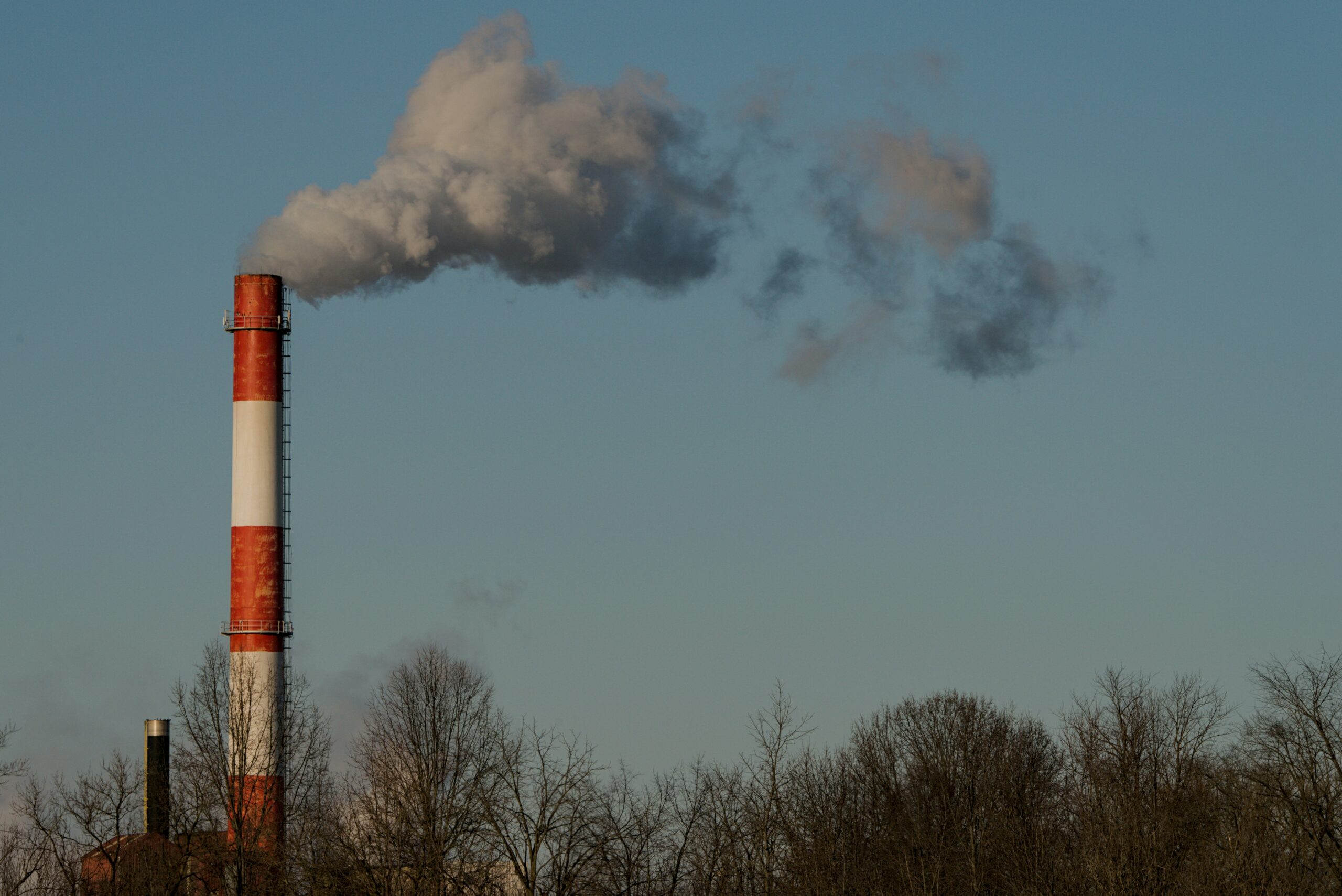
Analysis indicates that global emissions from carbon dioxide (CO2) and other potent greenhouse gases are now tracking perilously close to the peak levels recorded just before the COVID-19 pandemic induced slowdown. While many nations experienced temporary emission dips during widespread lockdowns, the rapid rebound, fueled by the resurgence of industry and transport, signals a worrying return to business-as-usual scenarios. Experts point to persistent challenges in transitioning the energy sector, particularly in manufacturing hubs, where coal and gas remain the dominant power sources.
The Paris Agreement, signed in 2015, established the ambitious goal of limiting global warming to well under 2 degrees Celsius above pre-industrial levels, with a concerted effort to cap the increase at 1.5 degrees Celsius. However, data synthesized by climate scientists suggests that the current Nationally Determined Contributions (NDCs) submitted by countries are insufficient to meet even the less ambitious 2-degree target. The cumulative effect of delayed policy implementation and continued investment in fossil fuel infrastructure creates a dangerous gap between stated ambitions and actual emissions reductions.
Why Emissions Are Still Rising
Several factors contribute to the ongoing increase in global atmospheric pollutants. Firstly, the sheer scale required for the energy transition presents an unprecedented logistical challenge. While renewable energy capacity, such as solar and wind power, is growing at historic rates, this growth has yet to fully offset the demand for high-carbon energy, especially in emerging economies undergoing rapid industrialisation.
Secondly, non-Energy emissions, including those from agriculture, land use change, and the leakage of methane, a powerful short-lived climate pollutant, remain stubbornly high. Effective regulation and technological solutions for these sectors require sector-specific policies that often lag behind energy policies.
“We are seeing significant, yet piecemeal, progress,” noted Dr. Elena Morales, a lead climate modeler involved in the global assessment. “While pledges exist, the financial mechanisms and stringent regulatory frameworks necessary to decommission high-carbon assets swiftly are not yet fully in place. Every tonne of CO2 emitted now makes the eventual transition steeper, harder, and immensely more costly.”
The Economic and Human Impact of Delay
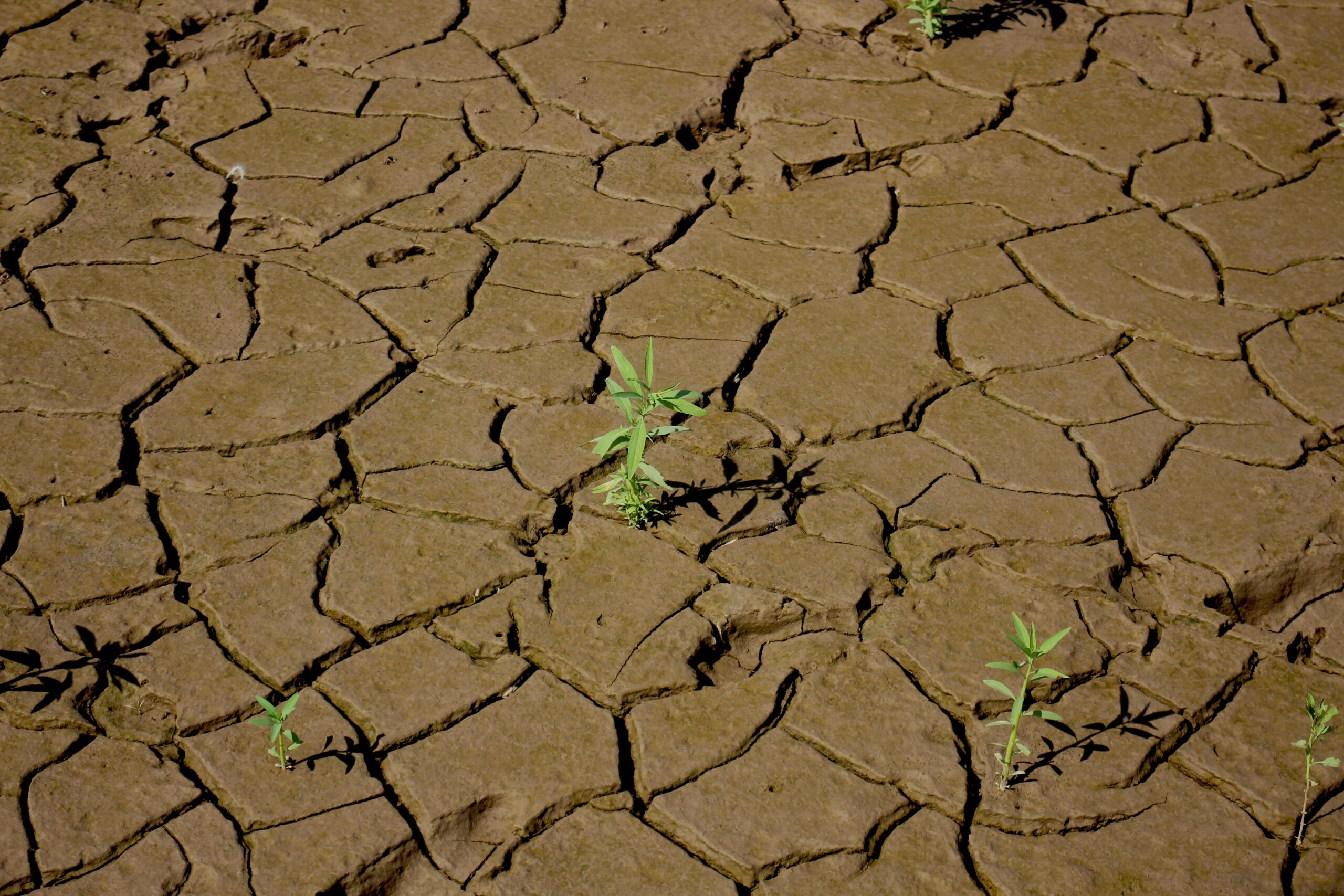
The implications of near-record emissions are already manifesting in extreme weather events globally, including prolonged droughts, intense heatwaves, and devastating floods. The financial toll accompanying this climate instability weighs heavily on national budgets and supply chains.
To stabilize the climate and avoid catastrophic warming impacts, global emissions must peak immediately and begin a steep, sustained decline of approximately 7-8 per cent annually this decade. This requires profound global cooperation and urgent policy shifts:
- Accelerated Renewable Deployment: Massive investment in green infrastructure and grid modernization.
- Fossil Fuel Phase-out: Clear timelines for the cessation of new coal, oil, and gas projects, coupled with support for affected workforces.
- Methane Reductions: Stronger regulation on releases from oil, gas, and agricultural operations.
The science is unambiguous: the window for keeping global warming below the 1.5 degrees Celsius threshold is closing fast, requiring governments to significantly strengthen their NDCs at upcoming international climate summits and translate their long-term net-zero goals into immediate, measurable actions. The next few years are definitive in charting the world’s climate future.