Scientists confirm that global average temperatures have reached unprecedented peaks this year, sparking renewed alarm among international leaders and demanding an accelerated global response to climate change.
Throughout the past twelve months, the Earth’s climate system has registered record-smashing warmth, according to analyses released by leading climatology institutes. This sustained high temperature, significantly driven by human-caused greenhouse gas emissions compounded by the natural El Niño weather pattern, signals a critical moment for policymakers tasked with curbing global warming. The data underscores the widening gap between current mitigation efforts and the ambitious targets set by international agreements such as the Paris Accord.
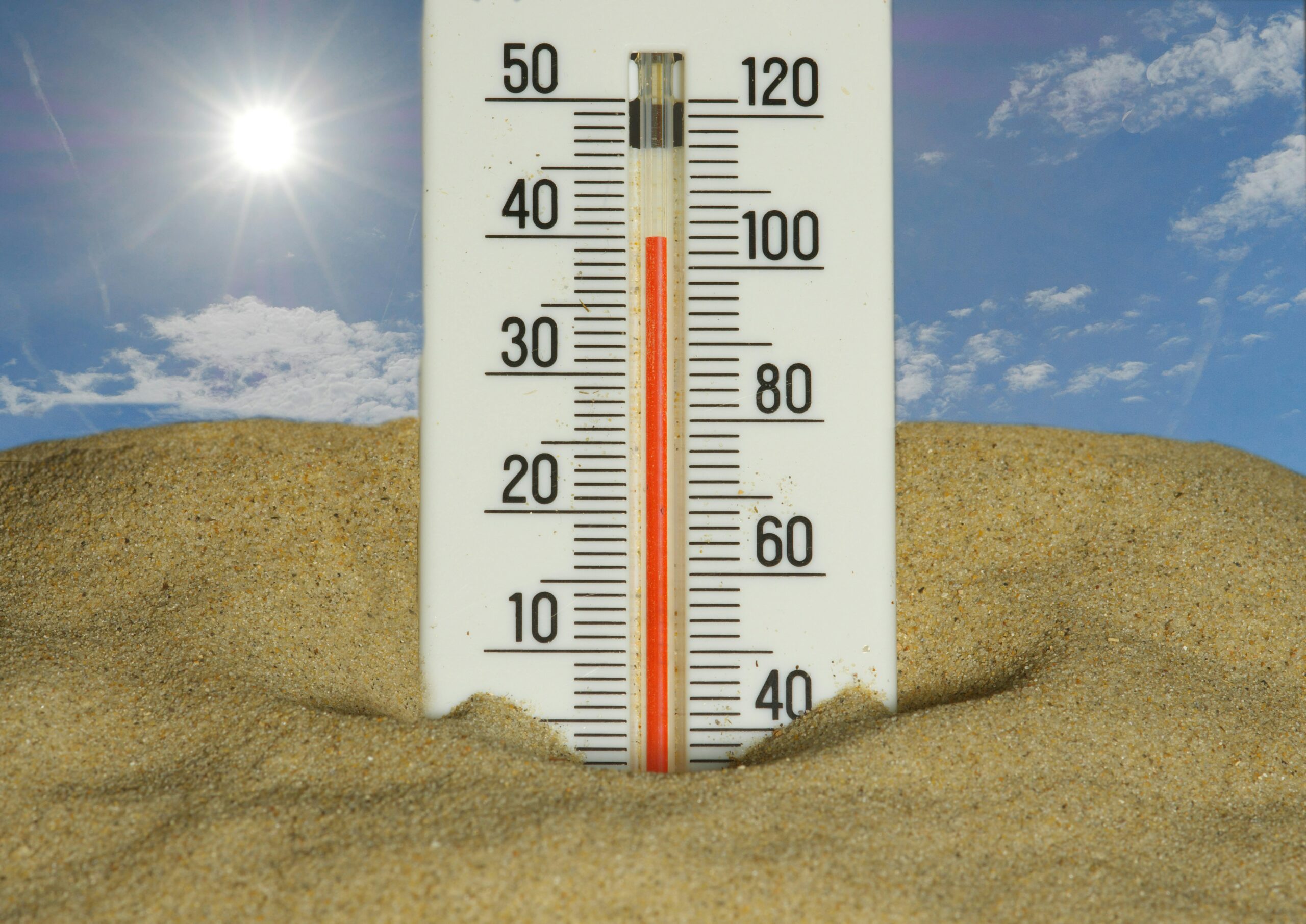
Data indicates that the rolling twelve-month average temperature now sits approximately 1.5 degrees Celsius above pre-industrial levels (1850–1900), a threshold often cited as the critical limit to avoid the worst effects of global warming. While this does not yet signify a permanent breach of the 1.5C long-term climate goal—which is judged over decades—experts warn that the repeated short-term exceedances are a concerning harbinger.
Why Are Temperatures So High Now?
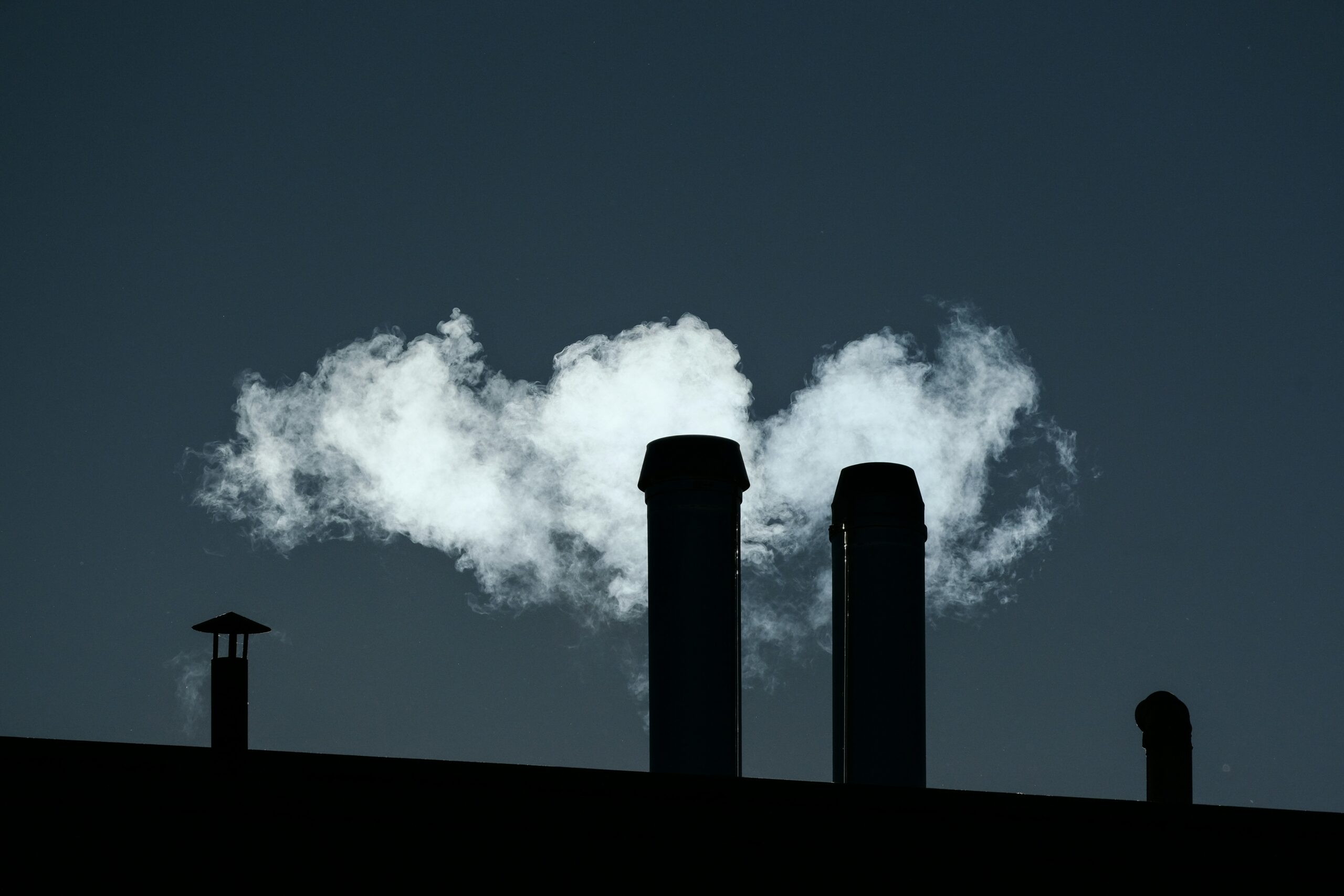
Multiple factors have converged to drive the current record warmth. Primary among them remains the ongoing release of carbon dioxide and other heat-trapping gases from the burning of fossil fuels. This long-term trend has steadily raised the baseline temperature of the planet.
Furthermore, the recent development of a robust El Niño cycle in the Pacific Ocean has temporarily boosted global heat. This naturally occurring phenomenon involves warming surface waters in the equatorial Pacific, releasing vast amounts of heat into the atmosphere and slightly augmenting global air temperatures. While El Niño is cyclical, its impact, when combined with human-induced climate change, is amplifying extreme weather events worldwide.
“We are in uncharted territory,” noted Professor Anya Sharma, a climate scientist specializing in atmospheric physics. “These records are not just abstract numbers; they translate directly into intensified heatwaves, more severe droughts, and devastating flood events impacting food security and human health from Asia to North America.”
Impacts and International Response
The consequences of this elevated heat are already tangible. Reports confirm that 2023 saw record losses attributed to climate-related disasters, including extreme monsoons in South Asia, unprecedented marine heatwaves damaging vital coral reefs, and prolonged wildfire seasons across the Mediterranean and North America.
The sustained record warmth is placing exceptional pressure on the international community ahead of the next major climate summit. Discussions are intensifying on whether nations can muster the political will and financial resources required to halve emissions by the decade’s end, a prerequisite for keeping the 1.5C target within reach.
Crucial areas requiring immediate and focused action include:
- Energy Transition: Rapidly phasing out coal, oil, and gas dependency in favor of renewable energy sources.
- Climate Finance: Increasing funding commitments from developed nations to help vulnerable, developing countries adapt to unavoidable climate impacts.
- Adaptation Measures: Investing in resilient infrastructure, early warning systems for extreme weather, and sustainable urban planning to manage extreme heat.
The current trajectory demands not just refinement of existing climate pledges but transformational shifts in global energy and consumption patterns. As the planet experiences these alarming temperature highs, scientists emphasize that deep, sustained emissions cuts over the next few years are the only path to stabilize the climate and prevent long-term environmental catastrophe. The time for incremental change has passed; urgent, decisive action is now paramount.