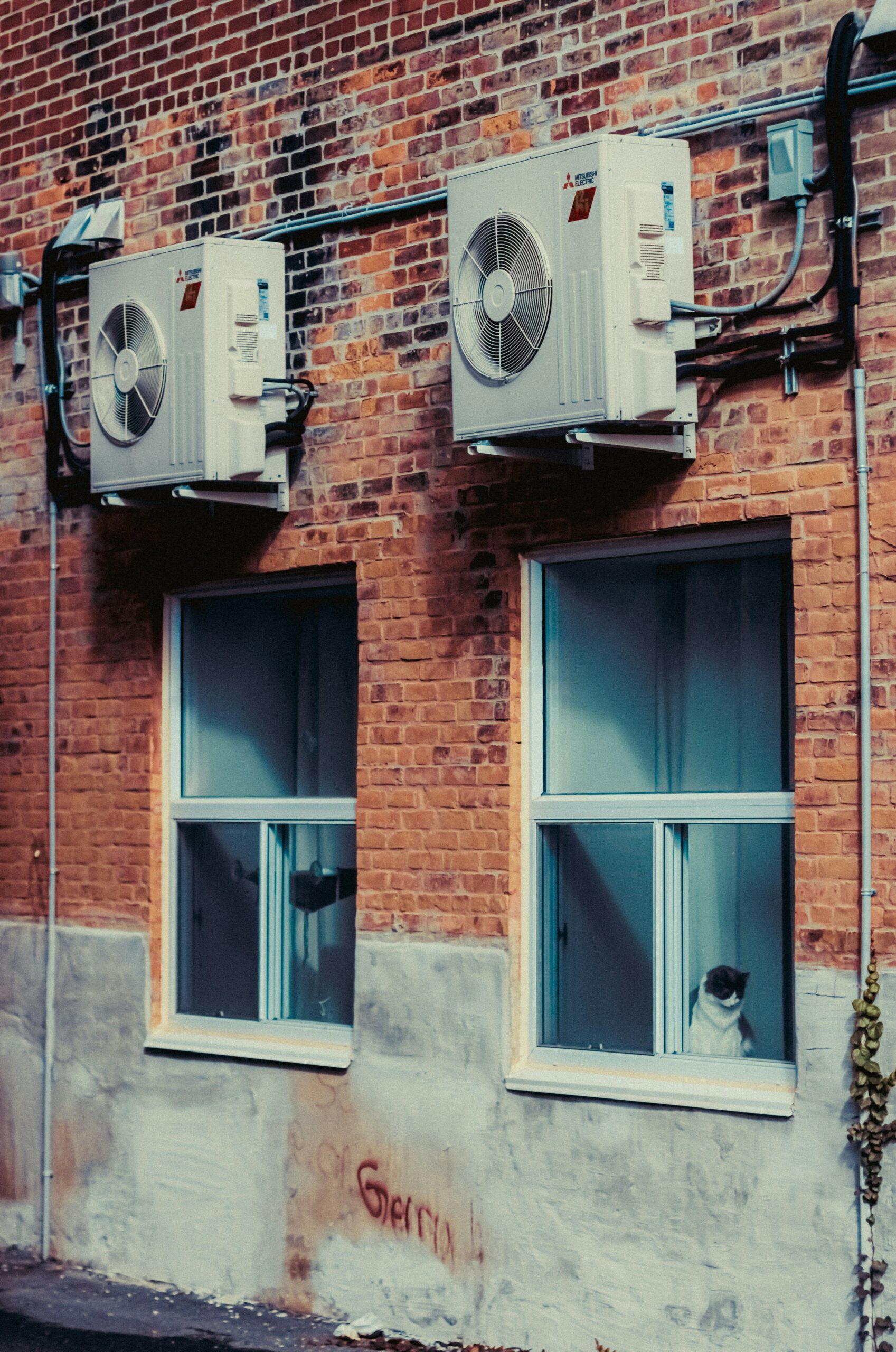
The world is experiencing an unprecedented surge in demand for air conditioning, according to recent reports, driven by consistently record-breaking global temperatures that are disproportionately affecting lower-income nations and challenging energy grids worldwide. This rapid adoption of cooling technology presents a complex dilemma: relief from extreme heat is critical for public health and economic productivity, but the associated energy consumption and greenhouse gas emissions threaten to accelerate climate change further.
Cooling Becomes a Climate Imperative
As summer temperatures continue to set new benchmarks across multiple continents, access to adequate cooling is moving from a luxury to an essential public health necessity. Heatwaves, which are becoming more frequent and intense due to climate change, pose serious risks, particularly to the elderly, young children, and outdoor workers. The sheer scale of the heat is pushing many governments and households to invest in air conditioning units, often for the first time.
Experts note that this escalating demand is not evenly distributed. While developed economies already utilize extensive cooling infrastructure, emerging economies—especially those in South and Southeast Asia, the Middle East, and Africa—are seeing the fastest increases in AC unit sales. These regions often lack robust, reliable electricity networks, meaning localized spikes in AC usage can lead to brownouts or blackouts, further complicating energy planning and stability.
The Energy-Demand Paradox
The fundamental challenge lies in the environmental footprint of these cooling systems. Air conditioning is inherently energy-intensive. When millions of new units are switched on simultaneously, the pressure on conventional power plants—many of which still rely on fossil fuels—soars. This creates a feedback loop: extreme heat drives AC use, which increases energy demand, leading to higher fossil fuel consumption, and ultimately amplifying the greenhouse gases that cause the warming trend.
Furthermore, many older or cheaper AC units rely on powerful refrigerants known as hydrofluorocarbons (HFCs). Although they do not deplete the ozone layer like older chemicals, HFCs are potent greenhouse gases, often thousands of times more effective at trapping heat than carbon dioxide. The transition to more climate-friendly refrigerants, mandatory under international agreements like the Kigali Amendment to the Montreal Protocol, is crucial but requires significant industrial retraining and investment.
Paths to Sustainable Cooling
Addressing this global cooling dilemma requires a multi-faceted approach focusing on efficiency, urbanization, and alternative technologies. Simply restricting air conditioning access is neither practical nor ethical, given the dangers of extreme heat.
- Boost Appliance Efficiency: Governments and consumers must prioritize high-efficiency AC units. Mandating stricter energy efficiency standards for manufacturers can significantly reduce the power draw per unit, lessening the burden on grids.
- Rethink Urban Design: Cities can mitigate the “urban heat island” effect through better planning. Planting more trees, installing reflective or “cool roofs,” and optimizing building orientation can drastically reduce indoor temperatures, cutting the reliance on mechanical cooling by up to 30%.
- Invest in Passive Cooling: Traditional building techniques like thermal mass construction, better insulation, and natural ventilation systems offer low-energy alternatives. These should be integrated into new housing stock, particularly in vulnerable tropical regions.
- Accelerate Decarbonisation: Ultimately, the paradox is solved when the electricity powering the air conditioners comes from zero-carbon sources like solar and wind power. Investing heavily in renewable energy installation and modernizing smart grids is paramount to handling peak cooling demand sustainably.
The rise of necessary cooling underscores the urgent need for coordinated, global climate action. As temperatures continue to climb, ensuring sustainable and equitable access to cooling is essential for protecting global economies and public health without driving more severe environmental consequences.