The planet registered its hottest twelve months in recorded history through the end of January, confirming a disturbing acceleration of global warming trends and intensifying the urgency for concerted international climate action. This period, encompassing February 2023 through January 2024, not only surpassed previous benchmarks but also brought the world dangerously close to breaching critical long-term warming thresholds established by the Paris Agreement. Scientific consensus attributes this alarming escalation primarily to the persistent emission of greenhouse gases, compounded by a strong El Niño weather pattern.
Unprecedented Heat Marks New Climate Era
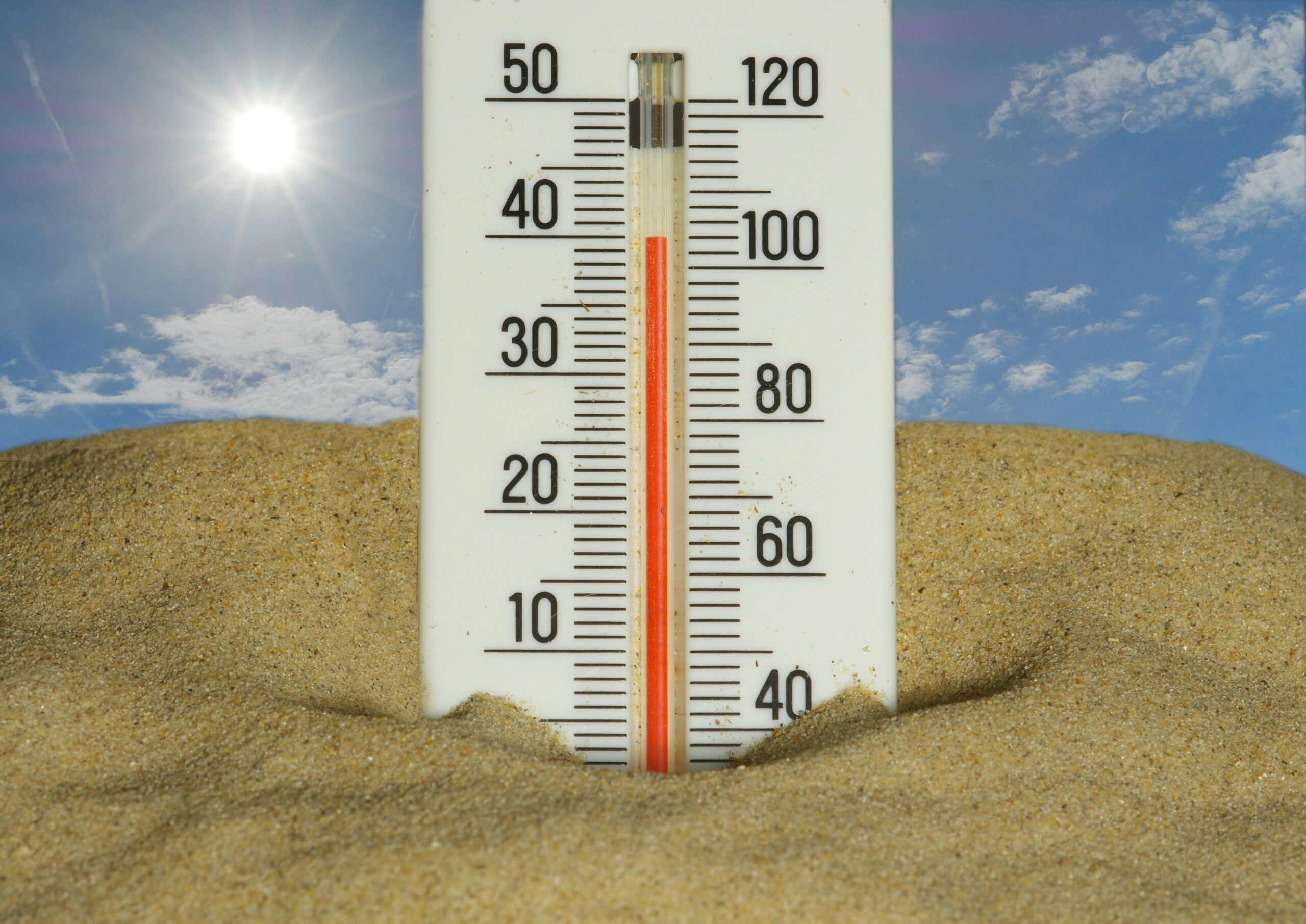
Detailed data compiled by leading climate monitoring services, including the European Union’s Copernicus Climate Change Service (C3S) and the US National Oceanic and Atmospheric Administration (NOAA), reveal that the global average temperature for the rolling 12-month period was significantly higher than the 1850–1900 pre-industrial average. Specifically, the mark reached 1.5 degrees Celsius (°C) above the pre-industrial baseline for the first time on record.
While the Paris Agreement seeks to limit long-term warming to well below 2°C, and ideally 1.5°C, this recent milestone represents a high-water mark for a specific 12-month span, not a permanent breach of the long-term climate target. However, climate scientists caution that the sustained period of extreme heat signals that the long-term 1.5°C warming limit is becoming increasingly difficult to avoid.
Scientists explain the current anomaly stems from two powerful factors converging: the decades-long accumulation of anthropogenic greenhouse gases—chiefly carbon dioxide and methane—trapping heat in the atmosphere, alongside the recent emergence of a strong El Niño. This natural climate pattern warms the equatorial Pacific Ocean and temporarily elevates global surface temperatures.
Impacts Felt Across Continents
The repercussions of this unprecedented heat are already being experienced worldwide. From widespread marine heatwaves damaging vital coral ecosystems to intensifying drought and devastating wildfires across multiple continents, the impacts are both broad and severe.
“The sustained record-breaking temperatures are not just statistics; they are translating directly into human costs, environmental degradation, and economic instability,” stated Dr. Adrian Lowe, a leading climatologist contributing to the assessment. “We are seeing systems buckle under the strain, emphasizing that every fraction of a degree matters in protecting vulnerable populations and ecosystems.”
The warming trend affects crucial areas:
- Polar Ice: Observations show significant reductions in Antarctic sea ice extent, approaching historic lows for the time of year.
- Weather Extremes: Increased frequency and intensity of heatwaves, torrential rainfalls, and tropical cyclones linked to warmer sea surface temperatures.
- Food Security: Higher temperatures stress agricultural yields in key breadbasket regions, potentially jeopardising global food supplies.
Future Action and Global Obligations
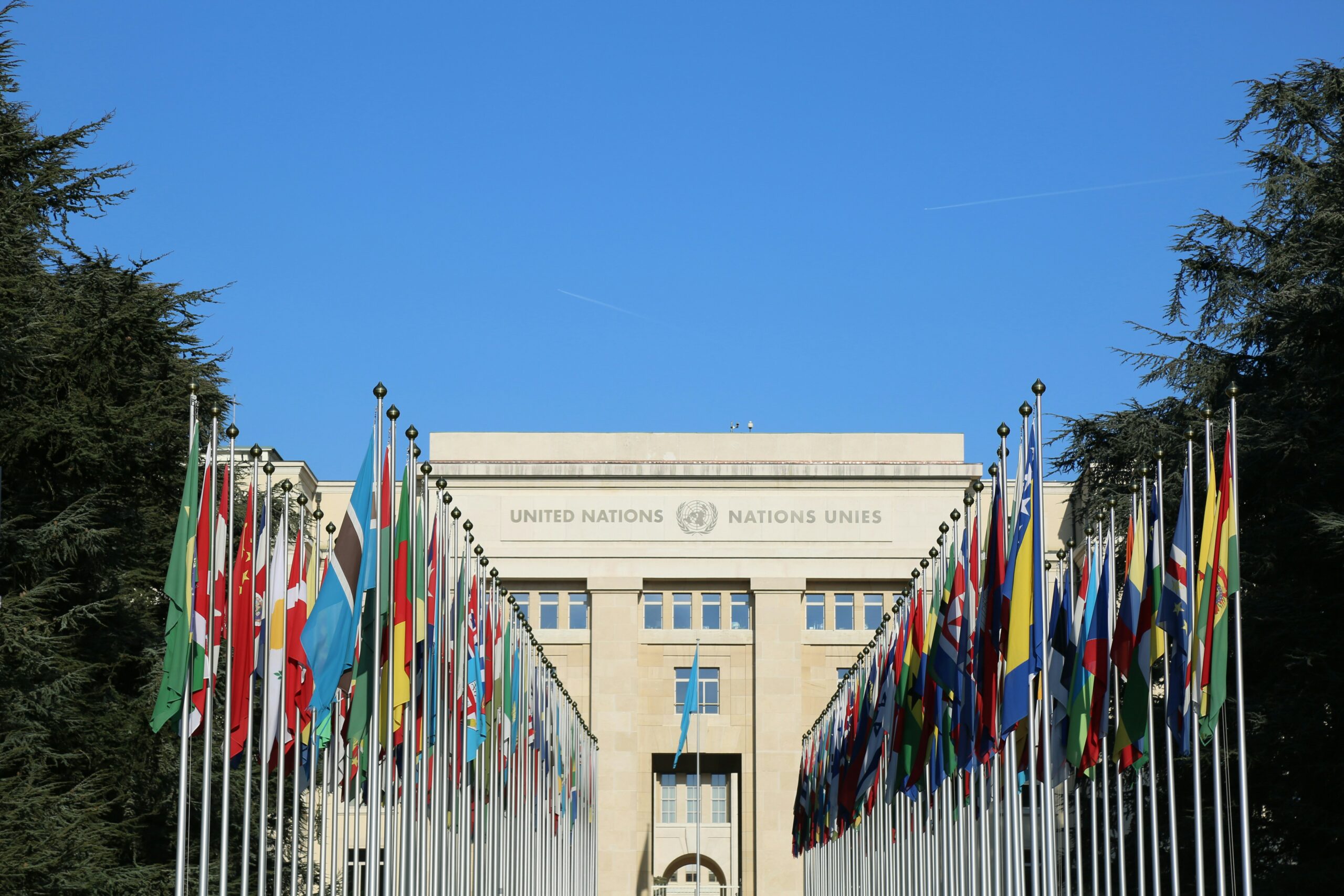
The latest temperature data serves as a stark reminder to policymakers gathered under the United Nations Framework Convention on Climate Change (UNFCCC) that current emissions reduction pledges are inadequate to meet the Paris goals.
The path forward requires immediate and comprehensive changes, including accelerated transitions away from fossil fuels, significant investments in renewable energy infrastructure, and stronger international cooperation on adaptation strategies. Experts suggest that the next few years are critical in determining whether the world can successfully stabilise the climate system. While the current 12-month breach is alarming, dedicated global efforts still hold the potential to prevent the long-term, irreversible warming of 1.5°C.