Climate change is increasingly disrupting agricultural yields and straining international commerce, prompting urgent calls for systemic resilience planning among governments and industries.
The world’s food supply and intricate global shipping networks face unprecedented jeopardy as extreme weather events—from prolonged droughts and intense heatwaves to devastating floods—become more frequent and severe. This escalating crisis is already translating into unpredictable harvests, rapidly fluctuating commodity prices, and significant logistical bottlenecks that threaten both consumer access to affordable necessities and the stability of the global economy. Experts warn that without immediate, coordinated investments in adaptable infrastructure and diversified sourcing, climate volatility will continue to destabilize some of the planet’s most mission-critical systems.
Agriculture Bears the Brunt of Climate Shifts
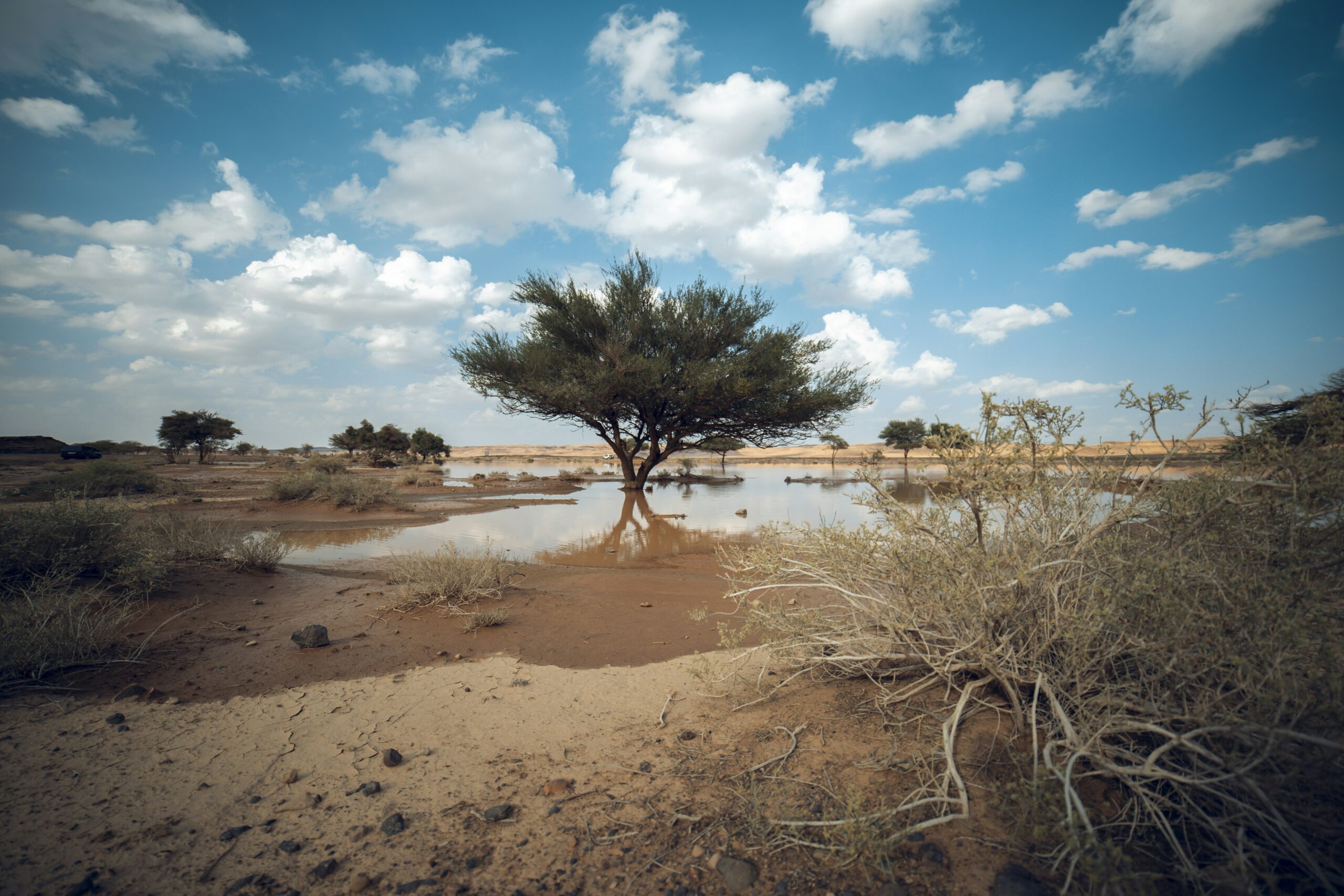
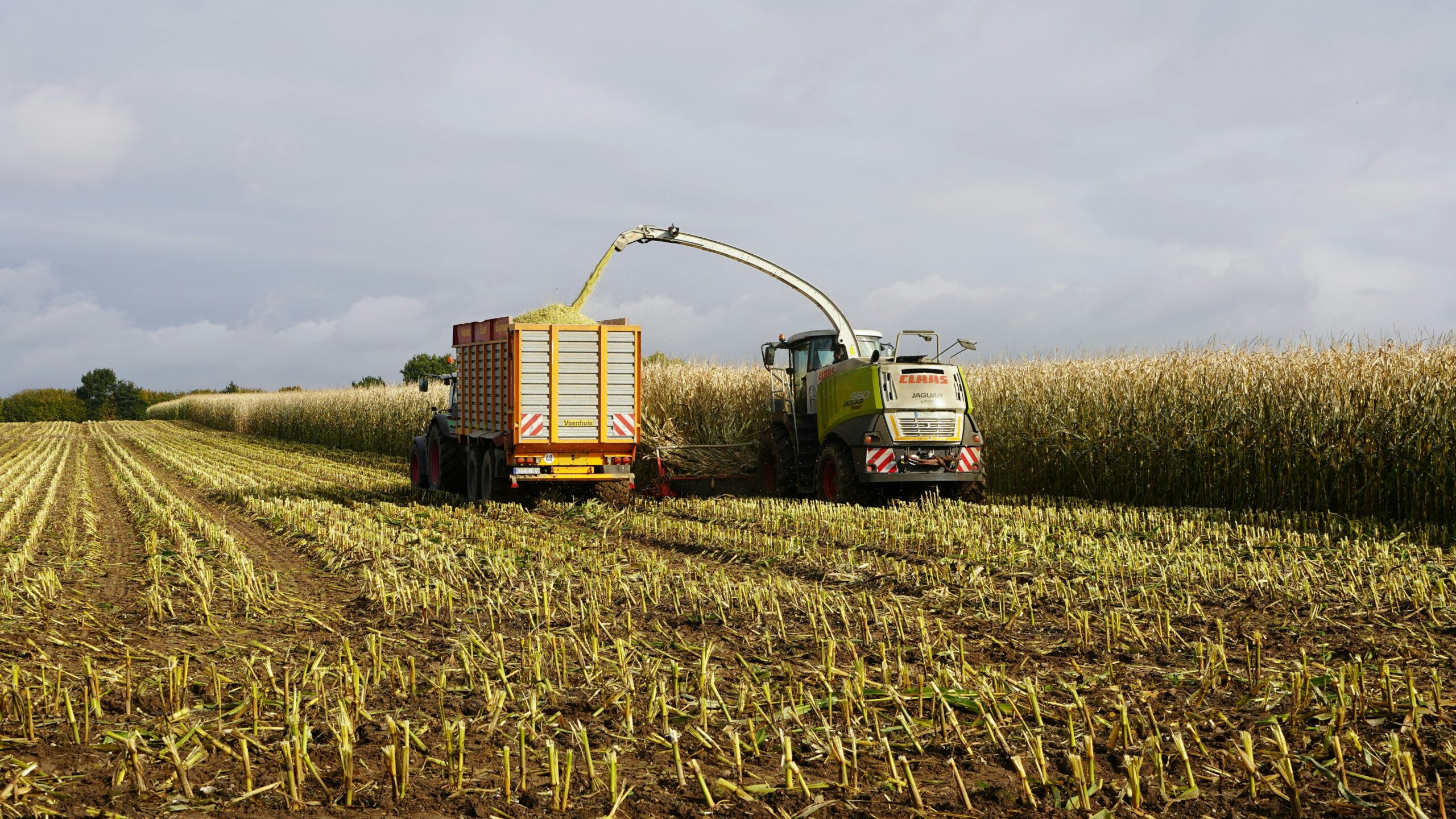
The primary impact of severe weather is concentrated in the agricultural sector, where staple crops essential for global nutrition cannot withstand rapid, drastic changes in conditions. Across multiple continents, essential growing regions are experiencing concurrent climate shocks. Heat domes are scorching corn and wheat fields in North America, while unusual monsoons are drowning rice paddies in Asia, and protracted droughts are significantly shrinking fruit and vegetable output in parts of Europe and Africa.
The cumulative effect of these localized disasters is a pronounced drop in overall inventory, pushing up baseline prices for basic commodities worldwide. Financial models suggest that weather-related supply shocks are now a leading driver of food price inflation, disproportionately affecting low-income nations and vulnerable populations that spend a greater percentage of their income on sustenance. Furthermore, the reliance on single-origin suppliers for certain specialty goods intensifies the risk; if a major growing region fails due to climate conditions, alternatives may not exist in sufficient volume to bridge the gap.
Supply Chains Face Logistical Nightmares
Beyond farm-level disruptions, global supply chains—the intricate network of ports, railways, and shipping routes that move goods—are also struggling to cope. Coastal storm surges and higher sea levels are damaging crucial port infrastructure, necessitating expensive repairs and leading to weeks-long delays in loading and unloading goods. Simultaneously, inland waterways that are vital for bulk commodity transport, such as major rivers in North America and Europe, are experiencing periods of historically low water levels due to drought, forcing shippers to lighten cargo loads or find slower, more expensive road or rail alternatives.
This domino effect impacts nearly every sector, from automotive parts to electronics, but the transmission of food and essential raw materials is particularly sensitive to these delays. Shipping industry analysts confirm that operational uncertainty—which includes route closures and unpredictable transit times—is now regarded as a primary risk factor, requiring firms to dramatically increase buffer stock and re-evaluate just-in-time inventory models.
Building Resilience: The Path Forward
Addressing this dual threat requires a multi-pronged strategy focused on both climate mitigation and systemic adaptation. Governments and international bodies must prioritize funding for climate-resilient farming techniques, including the development of drought- or flood-resistant crop varieties and sophisticated water-management systems.
Key strategies for enhancing resilience include:
- Diversifying Production: Encouraging agricultural output across a wider geographical area to lessen the impact of a single regional weather failure.
- Infrastructure Hardening: Investing in coastal defenses, elevating critical transport hubs, and strengthening river locks to manage extreme water fluctuations.
- Early Warning Systems: Developing sophisticated forecasting tools to give farmers and shippers more lead time to prepare for severe weather events.
Climate experts agree that as global warming continues, temporary fixes will not suffice. Building a stable future for food security and global commerce depends on proactively designing systems that can absorb, rather than collapse under, the increasing inevitability of environmental upheaval.