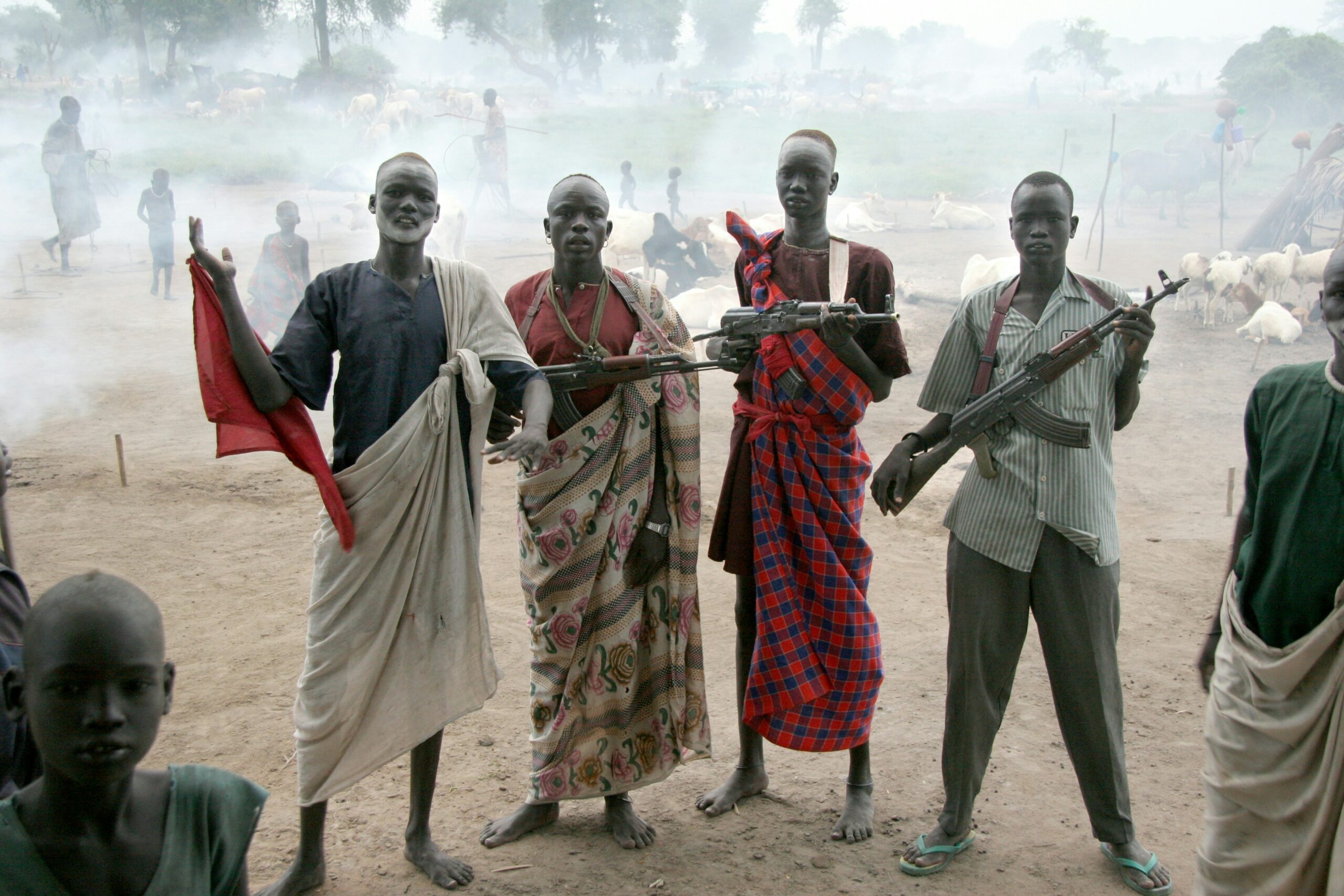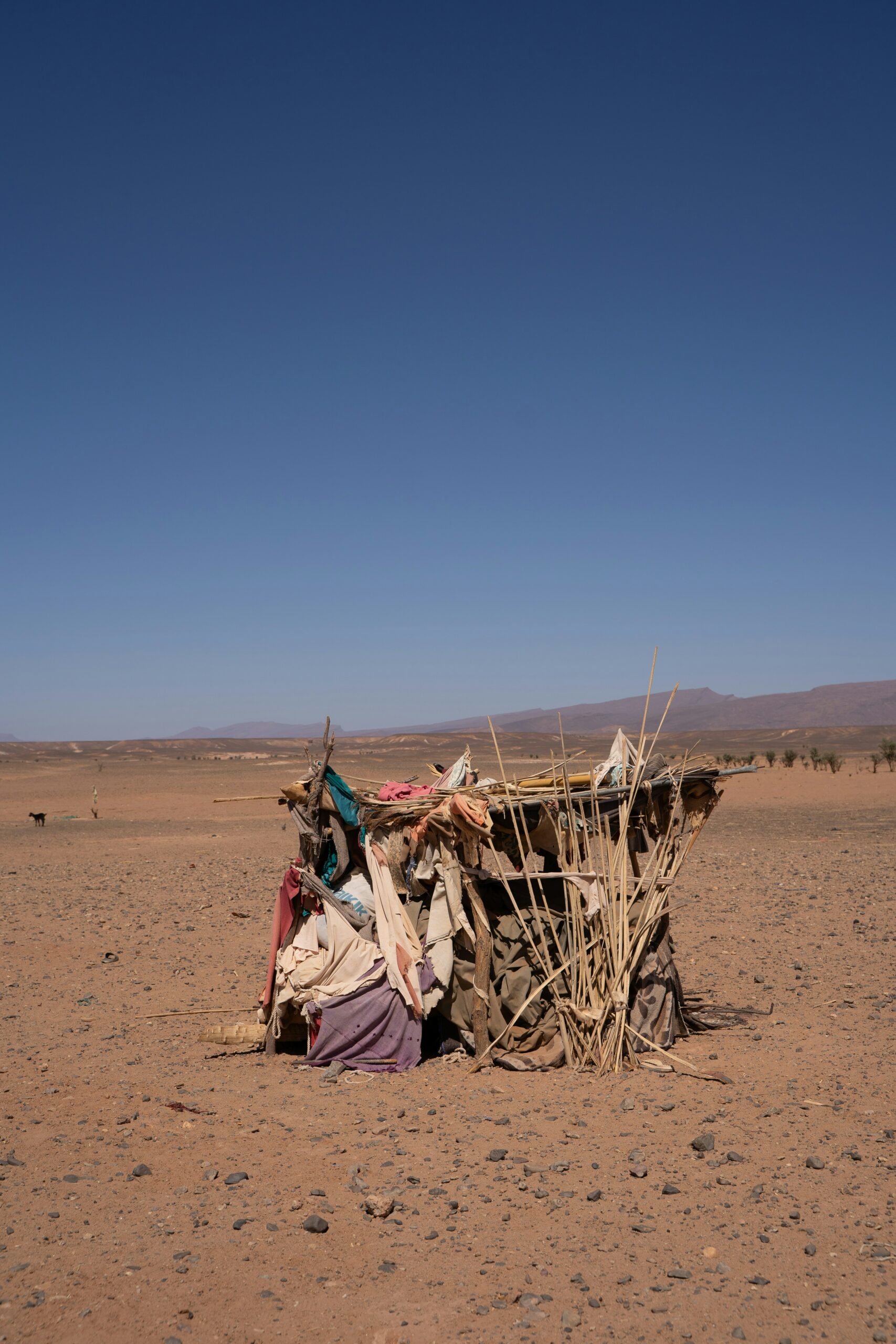
The escalating global climate crisis is driving an urgent need for international coordination to manage the growing phenomenon of climate mobility, according to recent insights from humanitarian organisations and geopolitical experts. This crucial issue, which sees populations displaced or migrating due to climate-related disasters and long-term environmental degradation, demands comprehensive policy frameworks that offer safe, legal pathways for movement while bolstering resilience in vulnerable regions.
Understanding Climate-Driven Displacement
Climate mobility encompasses a spectrum of human movement, ranging from temporary internal displacement following extreme weather events like floods and cyclones, to permanent cross-border migration spurred by creeping changes such as desertification or rising sea levels. Experts emphasize a critical distinction: these individuals are not solely “climate refugees”—a term not recognized under international law—but rather people forced to move due to inextricably linked environmental and socio-economic factors.
The International Organization for Migration (IOM) and the UN Refugee Agency (UNHCR) have repeatedly highlighted that a disproportionate number of those affected live in the Global South, where limited resources and inadequate infrastructure amplify climate impacts. The sheer scale of potential displacement presents vast challenges for receiving nations and international aid agencies alike.
Geopolitical analysts warn that without proactive measures, climate mobility risks exacerbating internal instability, increasing cross-border tensions, and overwhelming urban centres unprepared for rapid population influxes. The core challenge lies in integrating climate adaptation, development aid, and migration policy into a cohesive strategy.
Building Resilience and Safe Pathways
Effective management of this profound demographic shift requires a two-pronged approach. Firstly, immediate and substantial investment must flow into climate change adaptation in high-risk zones. This includes developing robust early warning systems, constructing resilient infrastructure, and supporting sustainable livelihoods that are less susceptible to environmental shocks, allowing communities to remain safely in their homes where possible.
Secondly, where relocation becomes inevitable, nations must establish clear, rights-based frameworks for safe and orderly movement. This involves bilateral and multilateral agreements that address legal status, access to employment, healthcare, and education in destination areas. For example, some island nations facing existential threat, such as Tuvalu and Kiribati, have sought long-term arrangements with regional partners like Australia and New Zealand to accommodate their citizens.
A key recommendation from policy researchers stresses the need for predictive mobility planning. By utilizing climate modelling and demographic data, governments can anticipate future movements and plan urban development and resource allocation accordingly, turning a potential crisis into a manageable humanitarian challenge.
The Role of International Cooperation
Addressing climate mobility cannot be achieved through isolated national initiatives. Global governance structures are vital for achieving solutions founded on shared responsibility. The absence of a specific international treaty covering climate migrants necessitates integration of the issue into existing human rights and migration agreements, as well as the Paris Agreement climate negotiations.
Furthermore, financing remains a significant hurdle. Developed nations, historically the largest contributors to global emissions, face increasing pressure to fulfill climate finance pledges and expand mechanisms like the Loss and Damage Fund, ensuring resources are available not just for rebuilding after disasters, but also for supporting planned relocation and mobility measures.
Ultimately, managing climate migration successfully is a barometer of human solidarity and international commitment to climate justice. It necessitates moving beyond reactive humanitarian aid towards proactive policies that respect human dignity and recognize the interconnectedness of environmental security and human security. The conversations held today will determine the fate of millions facing an uncertain future shaped by a rapidly warming planet.