The recent conclusion of the Sixth Synthesis Report of the Intergovernmental Panel on Climate Change (IPCC) in Geneva has underscored the dire urgency of global climate action, revealing that while incremental progress has been made, the window for effectively limiting global warming is rapidly closing. Released this week, the comprehensive report synthesizes years of scientific research, painting a stark picture of cascading risks alongside a blueprint for feasible, albeit challenging, mitigation strategies that necessitate immediate international cooperation and systemic transitions across energy, industry, and land use sectors.
Decisive Decade for Climate Resilience
The IPCC report, the culmination of assessments spanning the current scientific and policy landscape, confirms that human influence has unequivocally warmed the atmosphere, ocean, and land, accelerating global warming trends and increasing the frequency and intensity of extreme weather events. Crucially, the authors reiterate that sustaining global temperature increases below the critical 1.5°C threshold—a key target of the Paris Agreement—requires deep, rapid, and sustained reductions in greenhouse gas emissions across all sectors this decade. Failing to achieve these reductions significantly increases the likelihood of widespread, irreversible impacts on ecosystems, human health, and global economies.
Experts stress that current national pledges (Nationally Determined Contributions or NDCs) are insufficient to meet the long-term temperature goals. Professor Elena Reyes, a lead author on the mitigation chapters, noted during the report’s presentation, “We have the scientific evidence and the technological solutions at hand. The barrier is implementation speed and political will. Every fraction of a degree warming avoided saves lives and trillions in potential damages.”
Viable Pathways for Decarbonisation
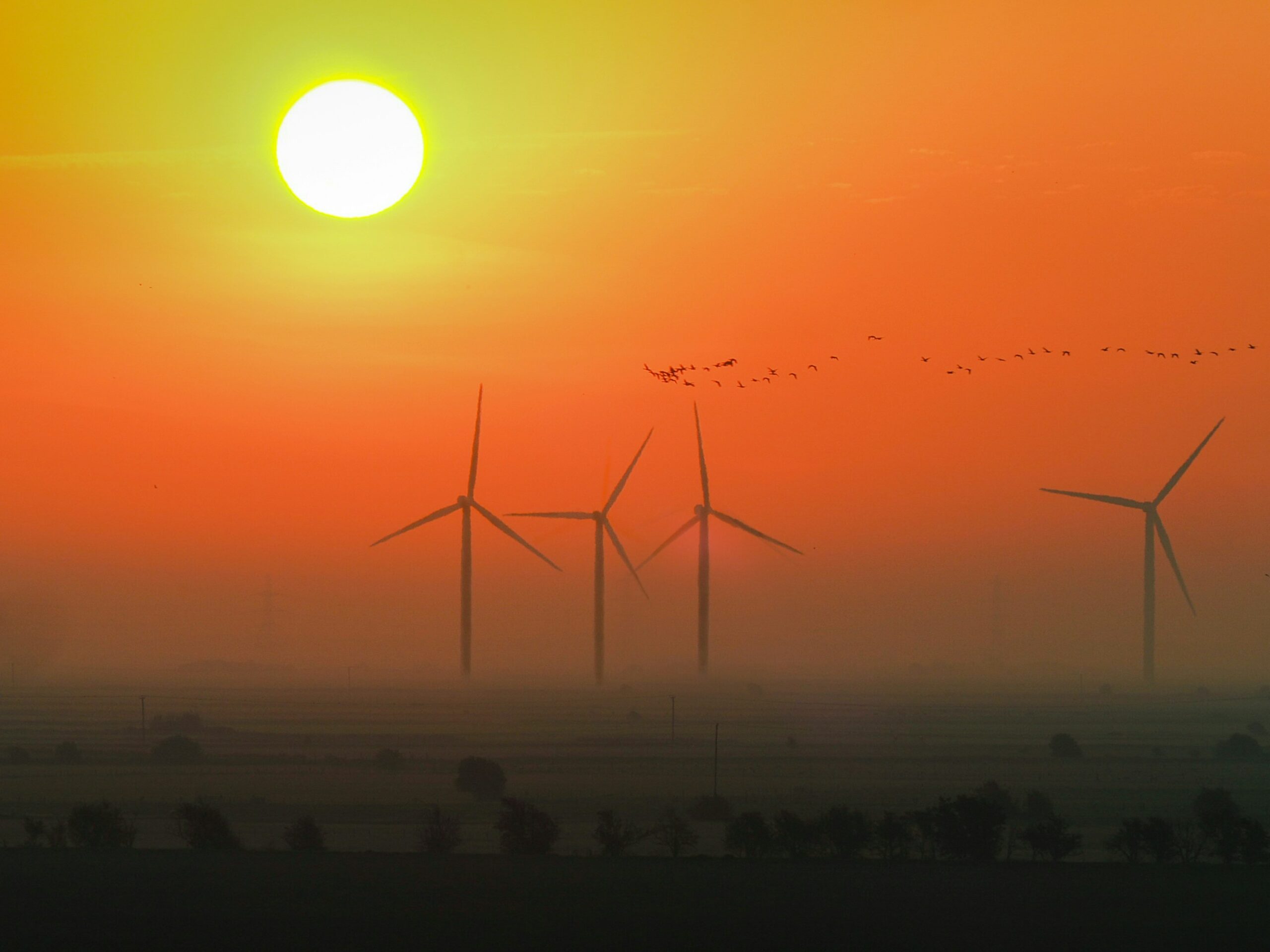
The Synthesis Report highlights that financially and technologically viable options exist across every major emitting sector. Transitioning the global energy system is paramount. This involves scaling up renewable energy sources like solar and wind power dramatically, phasing out unabated fossil fuels, and implementing energy efficiency measures globally.
In the industrial sector, the focus must shift to circular material flows, electrifying processes, and developing carbon capture and storage (CCS) technologies for hard-to-abate industries. Furthermore, the report emphasizes the critical role of sustainable agriculture and land use management. Protecting and restoring forests, wetlands, and peatlands are identified not just as vital forms of carbon sequestration but also as crucial components of climate adaptation and biodiversity preservation.
Key Action Areas for Immediate Impact:
- Accelerated Renewable Deployment: Quadrupling solar and wind energy capacity by 2030.
- Infrastructure Investment: Retrofitting buildings and modernizing power grids for efficiency and resilience.
- Sustainable Consumption: Shifting dietary patterns and reducing consumption waste in high-income nations.
- Equitable Transition: Ensuring financial support and technology transfer to assist developing nations in transitioning their economies.
Addressing the Adaptation Gap
While mitigation remains central, the report equally stresses the need to significantly bolster climate change adaptation efforts. Vulnerable communities globally are already experiencing severe consequences, and current funding for adaptation drastically lags behind needs. The synthesis stresses the importance of integrating climate risk into all levels of planning—from urban development to national security strategies—to build comprehensive resilience.
The IPCC’s findings serve as an urgent call to action for policymakers, industry leaders, and civil society. The coming years represent a definitive crossroads. Successfully navigating the climate crisis requires unprecedented levels of global cooperation, equitable resource allocation, and a fundamental shift from incremental adjustments to transformative, systemic change. The science is definitive: limiting catastrophic warming is still possible, but the time for cautious deliberation has exhausted; this is the decade for decisive execution.