The world’s public health community is grappling with a significant and escalating surge in dengue fever cases, driven primarily by rising global temperatures and shifting weather patterns. This mosquito-borne viral infection, traditionally endemic to tropical and subtropical regions, is now expanding its geographic footprint, posing an unprecedented challenge to healthcare systems across several continents in 2024.
Climate Change Fuels Vector Expansion
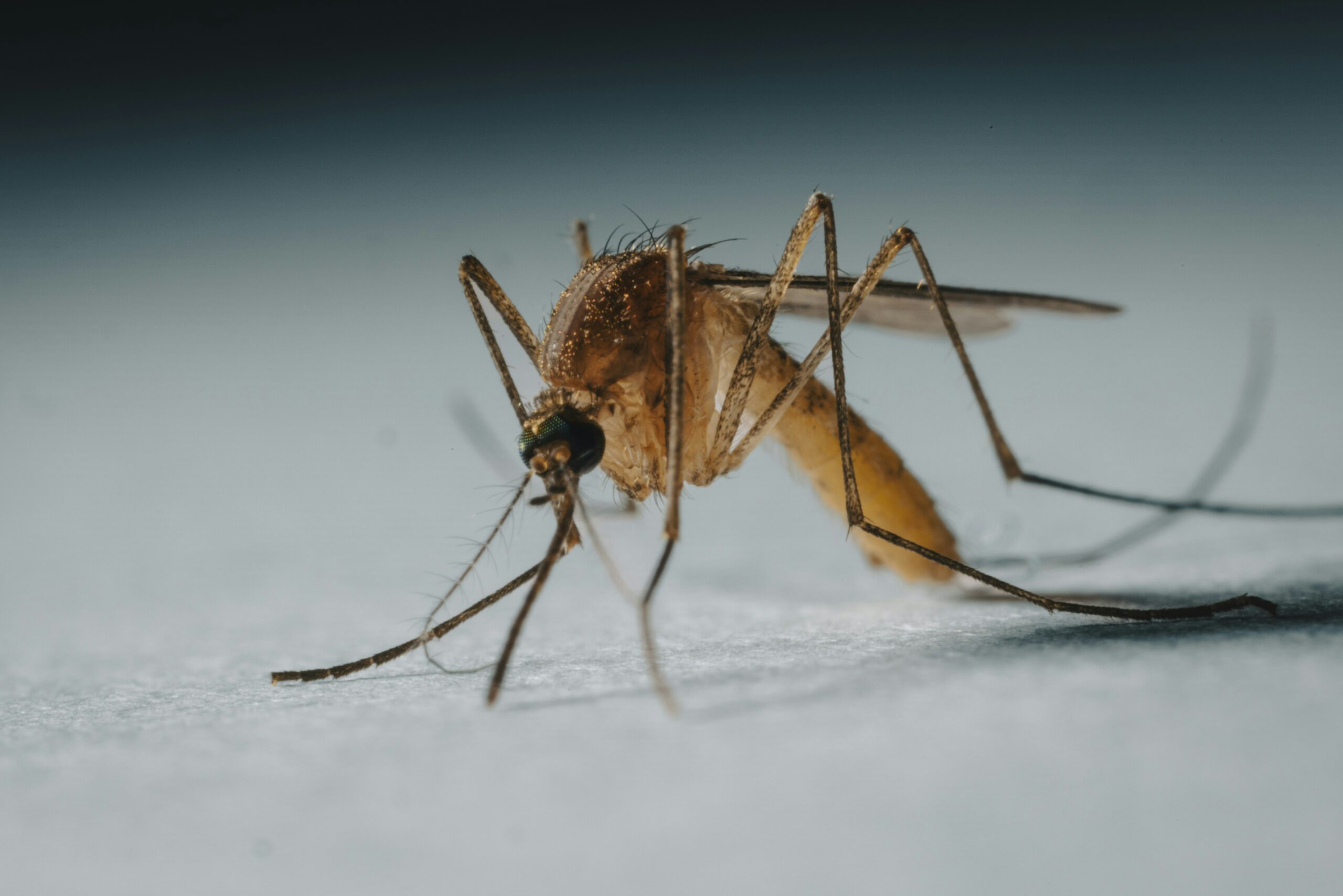
Dengue fever, often termed “breakbone fever” for the severe pain it induces, is transmitted by the Aedes aegypti mosquito. Historically, the mosquito’s life cycle and the viral reproduction rate were constrained by cooler temperatures. However, warmer global average temperatures are extending the lifespan of the vector, accelerating the virus’s incubation period, and simultaneously expanding the range where the mosquitoes can thrive.
Data released in recent months confirm that nations including Brazil, Argentina, and parts of Southeast Asia, such as Thailand and Vietnam, are reporting record numbers of infections. While health authorities globally, including the World Health Organization (WHO), have been monitoring this uptick, the scale of the current outbreak has overwhelmed local resources in many affected areas.
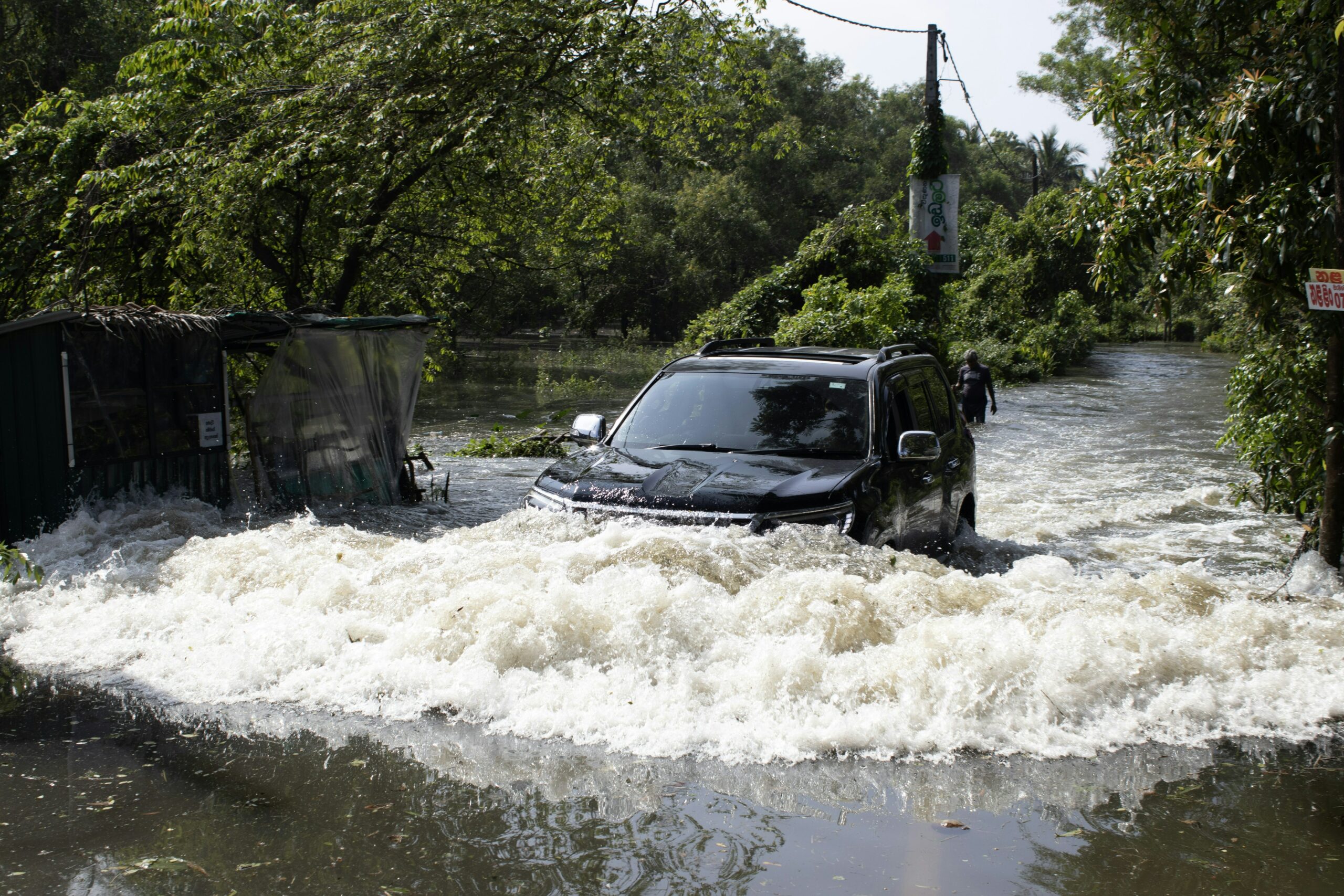
The proliferation of the mosquito is not solely an issue of rising temperatures; it is intricately linked to changing precipitation patterns. Periods of intense rainfall followed by prolonged heat create ideal breeding grounds—stagnant water in urban and semi-urban settings—magnifying the risk of transmission.
Overwhelmed Systems and Emerging Threats
The current situation is particularly alarming due to several factors. Firstly, the strain on healthcare infrastructure is immense, particularly in regions that are simultaneously dealing with resource constraints. Hospitals face shortages of critical staff and supplies necessary to manage severe dengue (dengue hemorrhagic fever), which can lead to plasma leakage, shock, and potentially death.
Secondly, dengue is caused by four distinct serotypes (DENV-1, 2, 3, and 4). Infection with one serotype provides temporary immunity to that type but, crucially, subsequent infection with a different serotype significantly increases the risk of developing severe dengue. This phenomenon means that populations experiencing novel serotype circulation are at elevated risk.
Epidemiologists emphasize that while vaccination efforts, such as the use of the dengue vaccine Dengvaxia (in specific populations) and newer alternatives, are crucial long-term tools, immediate public health interventions are paramount.
Key Actions for Mitigation:
- Source Reduction: Eliminating standing water sources around homes and communities (e.g., old tires, buckets, non-maintained drains).
- Vector Control: Targeted use of larvicides and adulticides where warranted, adhering to environmental safety guidelines.
- Personal Protection: Promoting the use of mosquito repellent, protective clothing, and screened windows.
- Early Detection: Training healthcare personnel to recognize clinical symptoms efficiently to prevent progression to severe disease.
Long-Term Global Implications
The dengue crisis serves as a stark illustration of how the climate crisis directly translates into immediate public health emergencies. For high-income nations, the expansion of the Aedes mosquito northward—evidenced by recent occasional local transmission in US states like Florida and regions of Southern Europe—signals the need for enhanced surveillance and integrated pest management strategies.
Experts caution that this year’s dengue surge is unlikely to be an anomaly. As global temperatures continue their upward trajectory, vector-borne diseases like dengue, Zika, and chikungunya will demand permanent, high-level attention from international agencies and national governments. Investing in climate resilience, robust public health infrastructure, and continuous epidemiological mapping is no longer optional; it is a critical necessity for global security.