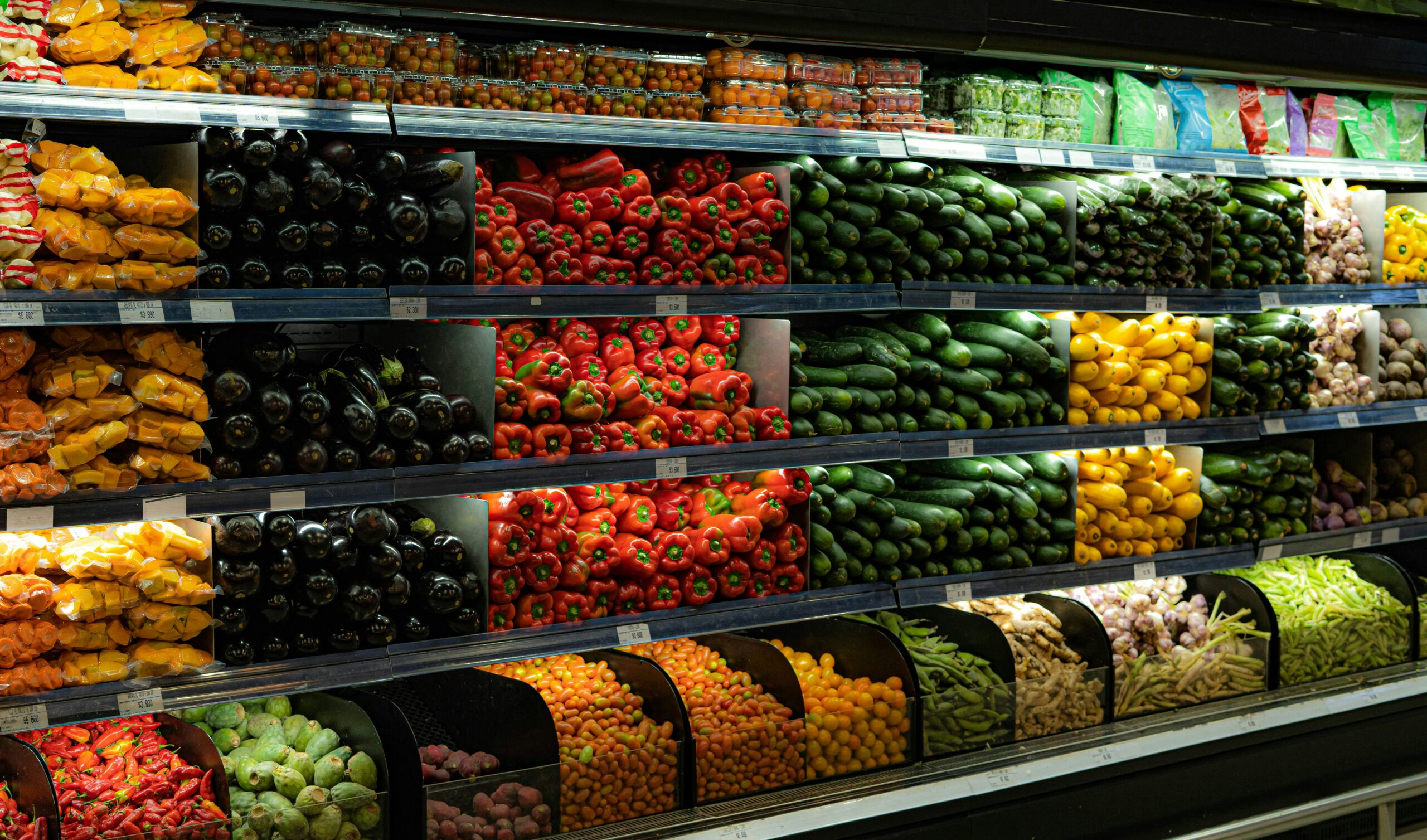
NEW YORK – Worldwide food prices surged to their highest levels in over a decade last month, creating significant economic strain for households globally and compounding fears of growing international inflation. According to the latest data released by the UN Food and Agriculture Organization (FAO), a persistent rise in staple commodities—driven by high energy costs, adverse weather patterns, and ongoing supply chain disruptions—is pushing up the cost of groceries far faster than general inflation metrics. The crisis disproportionately affects low-income nations and vulnerable populations already recovering from pandemic-related economic setbacks.
The FAO Food Price Index, a measure tracking the monthly international price changes of common food commodities, registered its highest value since [insert hypothetical peak month/year, e.g., November 2011]. This sustained climb has been ongoing for over a year, intensifying concerns among economists about prolonged price volatility.
Why Are Grocery Bills Piling Up?
Several interconnected factors are fueling the current food price inflation. Firstly, energy prices are having a profound effect. Rising natural gas and crude oil costs translate directly into higher expenses for agricultural production, including the manufacture of fertilisers, which is highly energy-intensive, and the transport of goods from farm to table.
Secondly, unpredictable climate events have hurt critical harvests. Droughts in key growing regions, coupled with unexpected floods in others, have reduced the global supply of essential grains like wheat and maize. Poor yields put immediate upward pressure on already strained global stocks.
Finally, the global supply chain remains fractured. Shipping delays, labour shortages in processing plants and ports, and restrictions related to container availability are significantly increasing the cost of moving food across borders. Retailers and distributors inevitably pass these elevated logistics costs onto consumers.
Impact on Global Development and Stability
While consumers in wealthy nations are feeling the pinch at the supermarket, the implications are far more serious in developing economies, where a larger portion of household income is spent on food. For millions, this price hike transforms from a budgetary annoyance into a matter of food security.
“When staple food prices rise this quickly, it can erode years of progress in reducing global hunger,” noted [Hypothetical Expert Name], an agricultural economist at the [Hypothetical University/Institute]. “Governments are being forced to choose between subsidising essential foods or risking social unrest, highlighting the fragility of the current system.”
Data suggests that prices for specific commodities saw alarming increases:
- Cereal index: Up 22% year-over-year, driven by robust demand and curtailed supply.
- Vegetable Oils index: Reached record highs, primarily due to constrained palm and soybean oil production.
- Dairy index: Increased moderately but steadily amid strong import demand, particularly from Asia.
What Comes Next?
Analysts forecast that relief will be slow to materialise. While bumper harvests in some regions could offer minor short-term softening, the structural issues—namely logistics backlogs and persistent high energy costs—are likely to keep a floor under food prices well into [insert hypothetical next financial quarter/year].
For policymakers, the challenge involves balancing monetary tightening to curb general inflation with measures to protect vulnerable households. Some countries are considering temporary export restrictions on domestically produced staples to ensure national reserves, though such measures can further distort global market equilibrium.
Consumers are advised to seek out resources that help manage costs during this inflationary period, exploring local produce markets and focusing on seasonal items, which often remain less subject to the global shipping pressures plaguing imported goods. The continued rise in food costs serves as a stark reminder of the global economy’s deep vulnerability to climate change and energy market fluctuations.