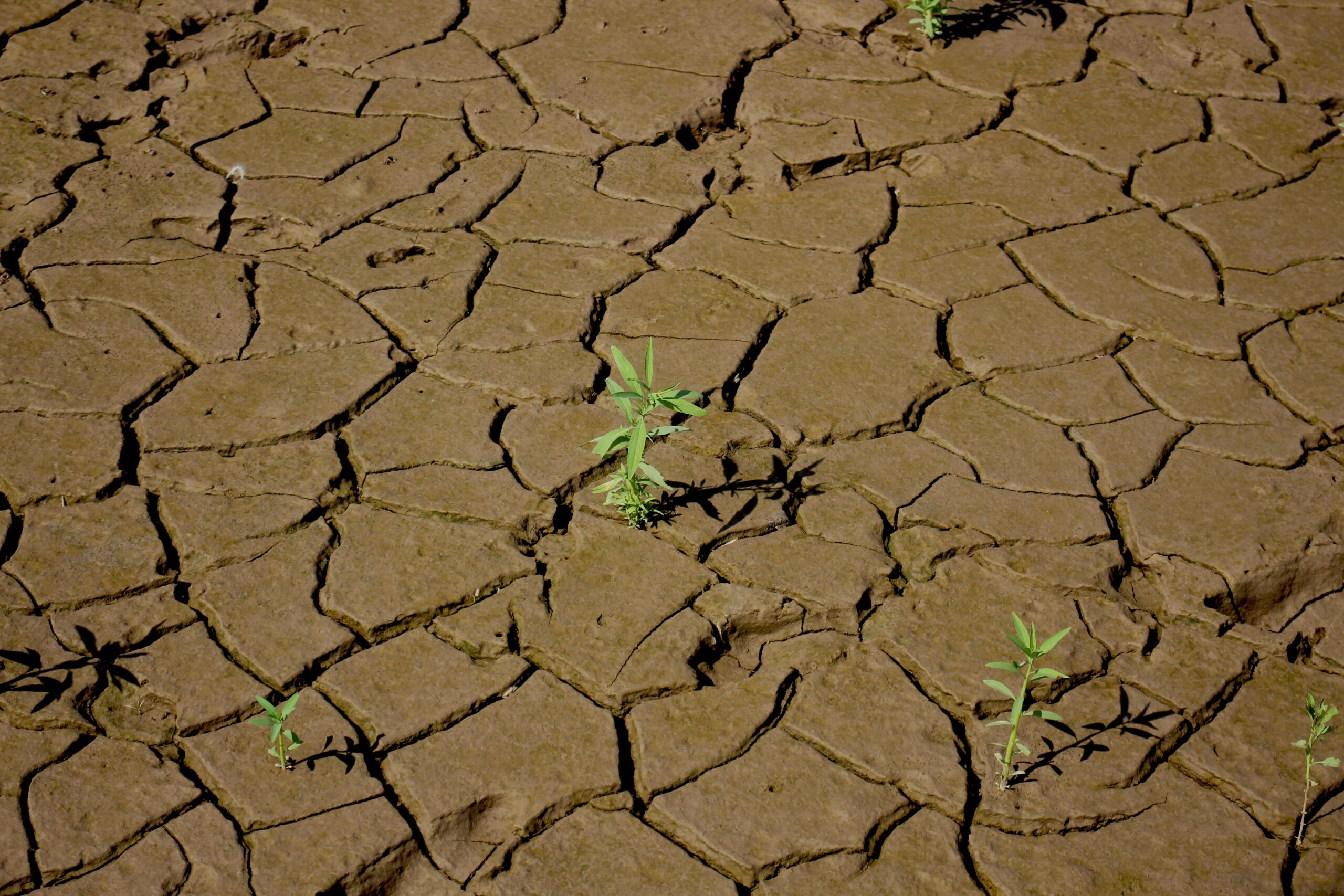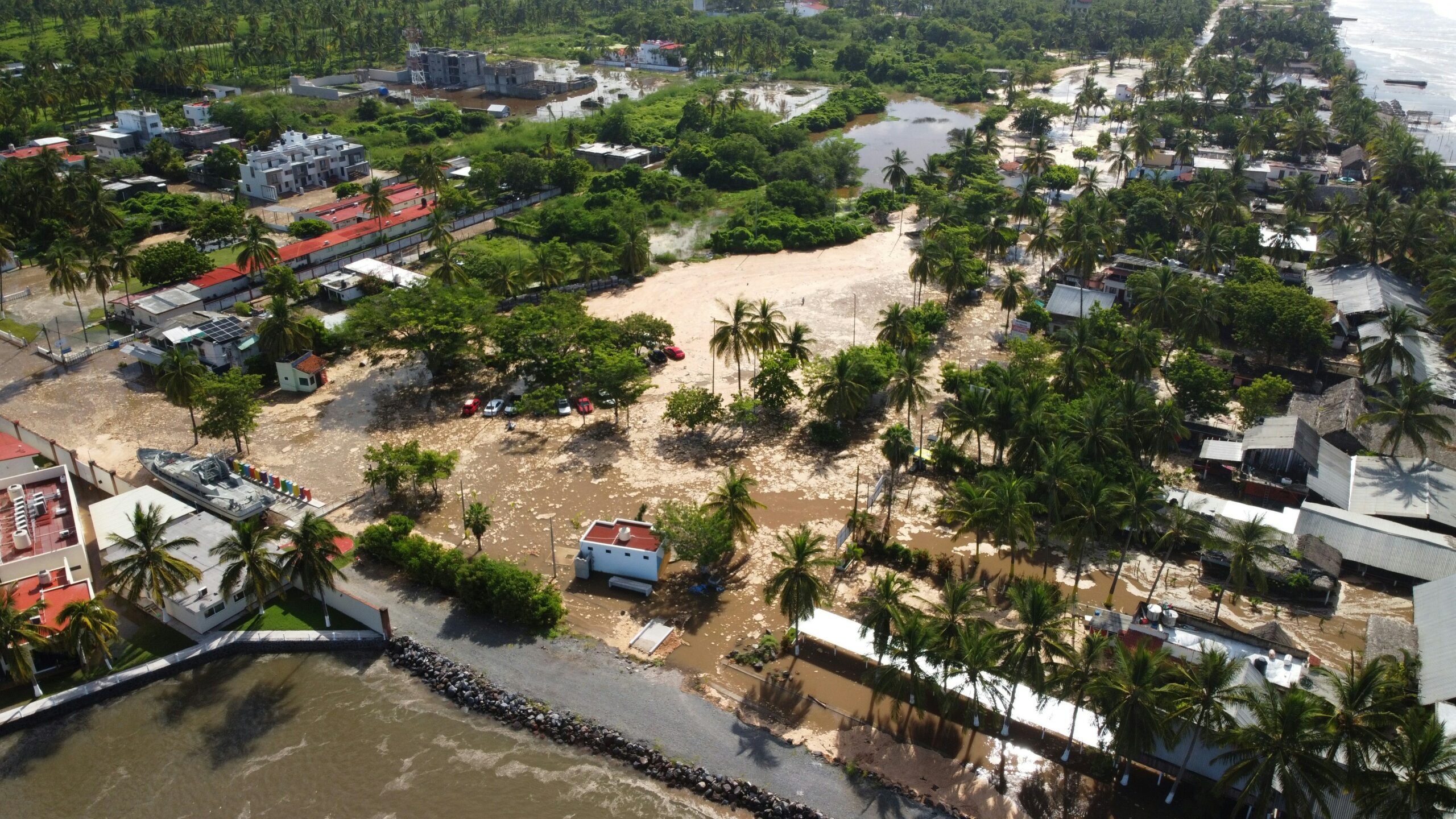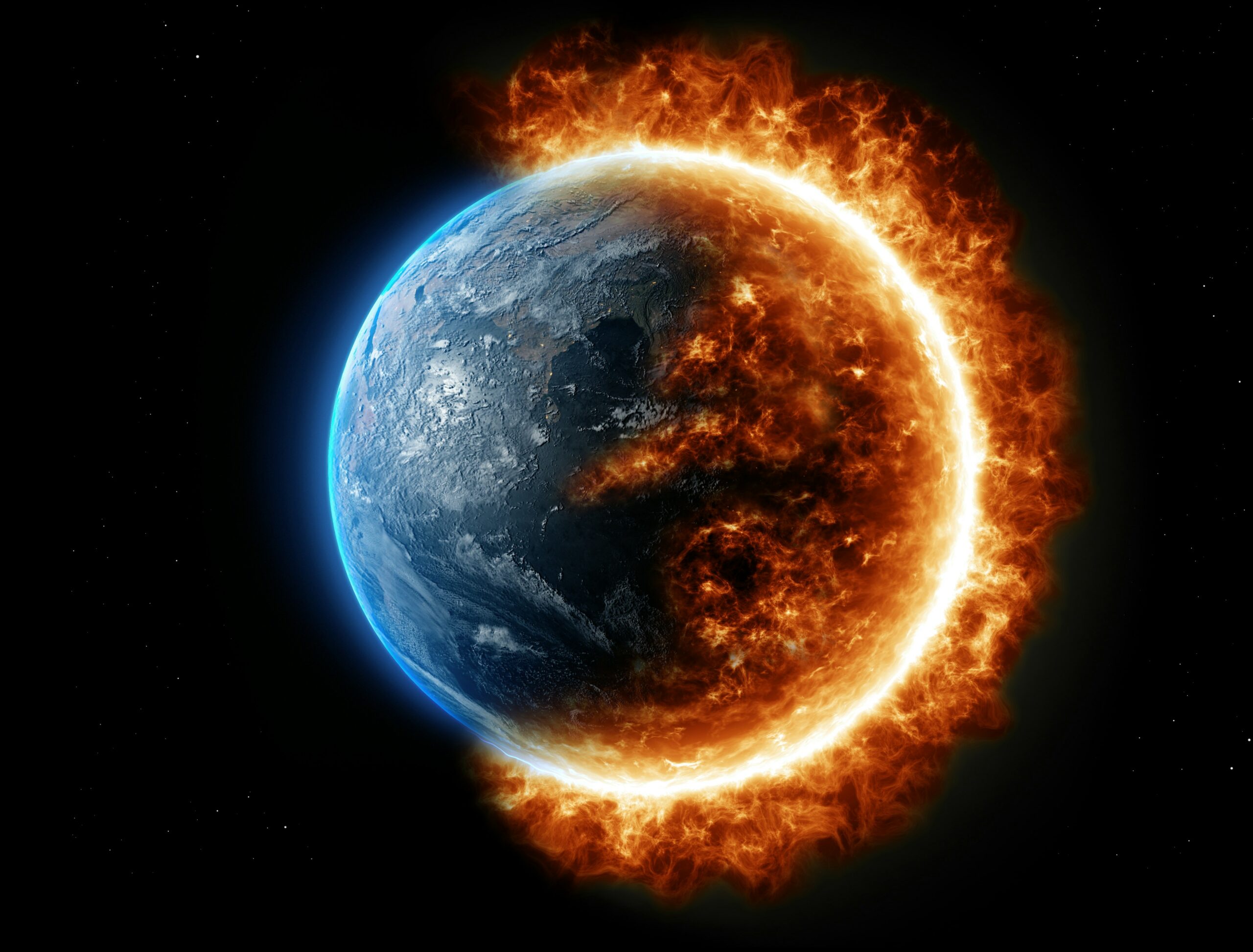
Record-breaking heat is sweeping across the globe this summer, pushing public health systems, essential infrastructure, and economic resilience to their absolute limits, jeopardizing decades of progress, particularly in vulnerable nations. From Southeast Asia and the Middle East to North America and Europe, unprecedented spikes in temperatures are forcing governments to implement emergency measures, straining power grids, curtailing agricultural output, and tragically claiming lives, according to reports compiled by meteorological organizations and humanitarian agencies throughout June and July.
The Accelerating Strain on Essential Systems
The primary impact of sustained extreme heat is felt acutely by national power grids. As millions of households and businesses rely heavily on air conditioning, energy demand surges often coincides with reduced generation capacity, particularly in regions dependent on hydropower, where reservoirs are dwindling. This creates a critical feedback loop: power outages themselves exacerbate the health risks associated with the heat, especially for the elderly and those with chronic conditions. In some developing economies, reliance on older, less resilient infrastructure means cascading failures are becoming increasingly common, undermining commercial activity and disrupting vital services like water purification.
“The current heat events are not just weather anomalies; they are a profound stress test for global society,” stated Dr. Lena Sharma, a climate vulnerability expert at the Global Resilience Institute. “The intertwining of water stress, energy shortages, and public health demands creates a perfect storm. We are seeing hospitals operating at reduced capacity just when they need to scale up their heat-related emergency response.”
The consequences extend beyond immediate crises. Prolonged high temperatures fundamentally degrade agricultural output. Severe heat stress can sterilize crops, reduce livestock productivity, and hasten desertification. For countries heavily reliant on rain-fed agriculture, this poses an existential threat to food security and drives rural-to-urban migration as livelihoods dry up.
Economic and Human Implications
Economically, the impact is quantifiable. Research indicates that heat-related productivity losses—measured by reduced working capacity, especially for outdoor laborers—could cost the global economy hundreds of billions of dollars annually by the end of the decade. Major supply chains, dependent on smooth logistics and fully functioning ports, are also experiencing slowdowns due to heat restrictions.
However, the most severe cost is human. The World Health Organization (WHO) has repeatedly warned that heat exposure is a silent killer, often under-reported. Vulnerable populations—including infants, outdoor workers, and marginalized communities lacking access to reliable cooling—bear the disproportionate brunt of the mortality and morbidity rates. Heatstroke and dehydration cases are overwhelming emergency rooms, prompting calls for better long-term urban planning focused on heat mitigation.
The Path to Resilience
To manage and adapt to what is clearly becoming the “new normal,” policymakers and urban planners must prioritize integrated strategies, focusing on resilience and preparedness:
- Infrastructure Hardening: Investment in resilient energy grids, including decentralized solar and modernized transmission lines, is crucial to prevent widespread blackouts during peak demand.
- Urban Greening: Implementing nature-based solutions, such as expanding urban tree canopies and creating green spaces, effectively reduces the “urban heat island” effect, offering localized cooling.
- Early Warning Systems: Enhancing meteorological forecasting and coupling it with targeted public health communication systems ensures that vulnerable populations receive timely, actionable advisories regarding extreme heat risks.
The global heatwave crisis underscores the urgency of both climate mitigation and adaptation efforts. Without rapid and sustained action to build physical and social resilience against rising temperatures, the economic and human development gains made over the last century remain under significant threat. Future preparation is now paramount to protecting both lives and economic stability.