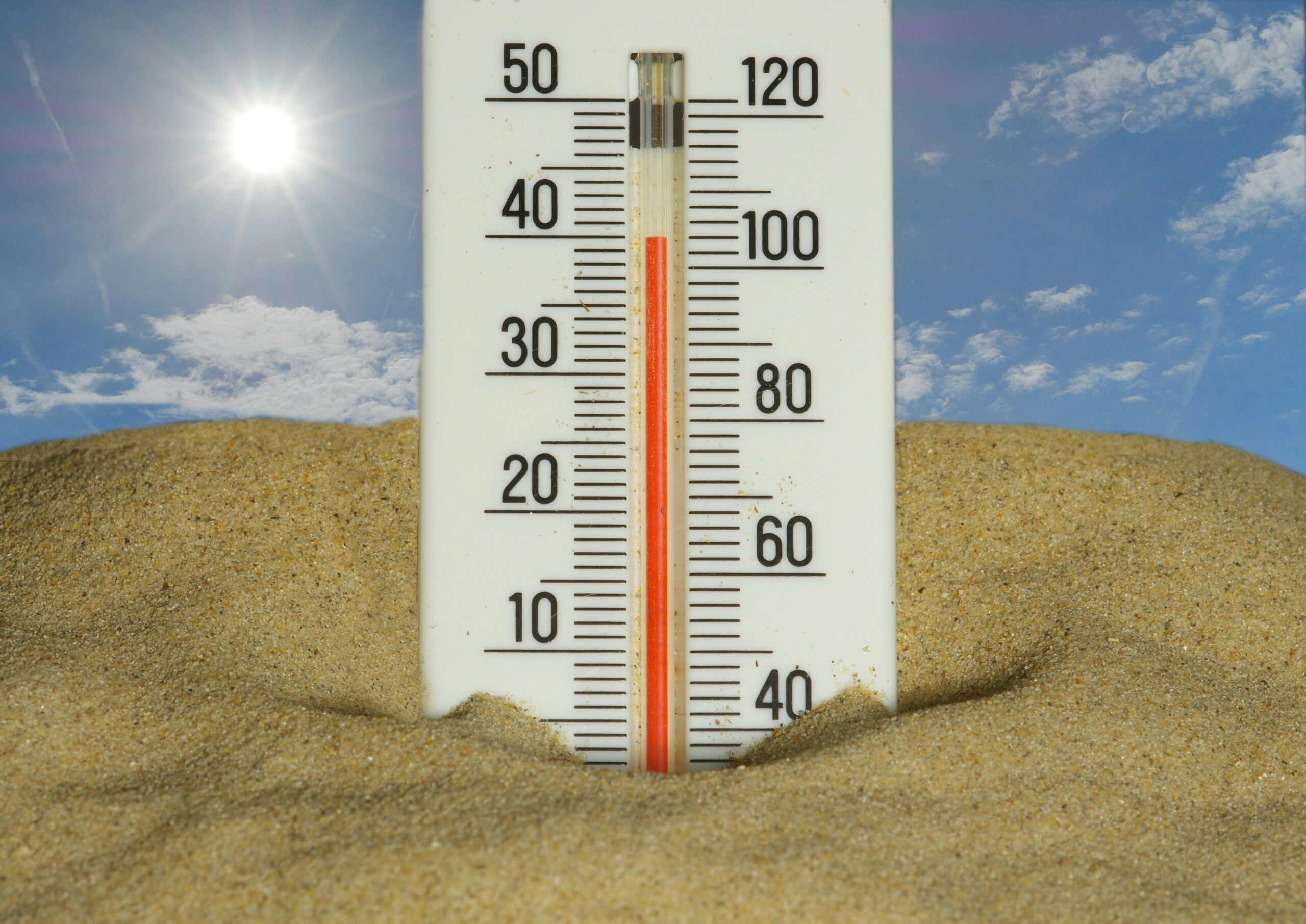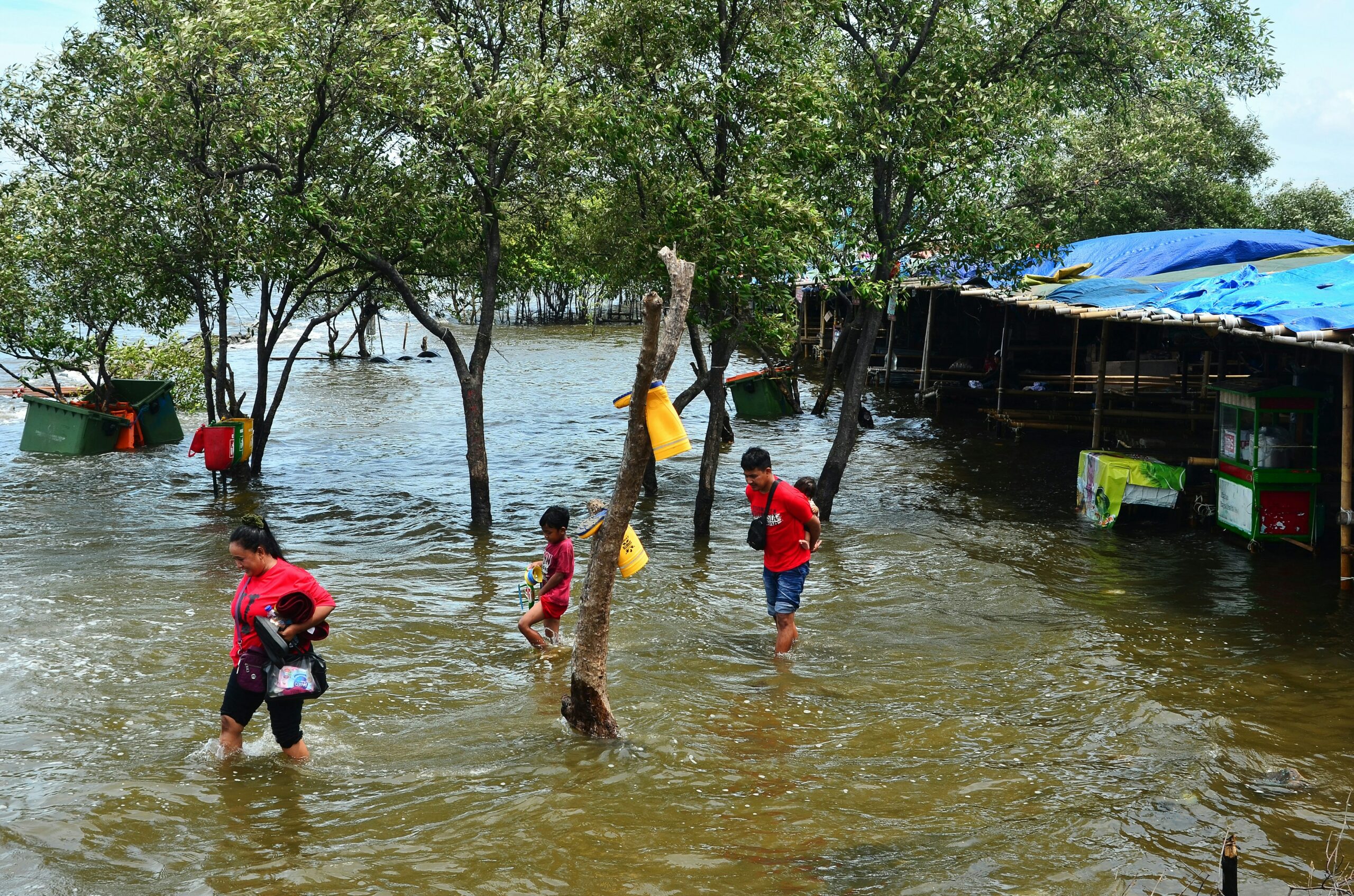
Coastal communities worldwide face an urgent and costly reckoning as accelerating global warming necessitates a dramatic overhaul of traditional sea defence strategies. Rising sea levels, coupled with increasingly severe storm surges, are rendering historic but static defences obsolete, prompting engineers and policymakers to pivot towards dynamic, often nature-based solutions to protect vital infrastructure and populations. This seismic shift in strategic thinking is taking place from densely populated Asian deltas to low-lying European nations, demanding unprecedented investment and international cooperation.
The Failure of Fixed Defences
For centuries, coastal safeguarding relied predominantly on hard engineering: structures like seawalls, dikes, and revetments designed to physically block the ocean. While effective against historic flood patterns, these fixed structures are increasingly overtopped or undermined by climate-change-driven hazards. Scientists project that even under optimistic emissions scenarios, global mean sea levels are expected to rise by several feet by 2100, dramatically increasing the frequency and intensity of destructive coastal flooding events. Furthermore, hard barriers often exacerbate erosion in adjacent areas, creating a localized displacement of environmental stress.
Coastal defence planning now must contend with non-linearity—future threats are not merely extensions of past ones. This requires adopting adaptive management frameworks, where defences are designed to be incrementally upgraded or moved as conditions worsen.
Embracing Nature-Based Solutions
A significant element of this strategic pivot involves integrating nature-based solutions (NBS), which harness ecological processes to reduce risk while simultaneously providing ecological and economic benefits. These solutions are often more resilient, adaptable, and cost-efficient over the long term than concrete structures alone.
Key nature-based strategies now being deployed globally include:
- Managed Realignment: Intentionally retreating existing defences and allowing low-lying coastal land (such as marshes or salt flats) to flood. This creates natural buffer zones that absorb wave energy and storm surge, shielding inner communities.
- Restoring Coastal Ecosystems: Planting or restoring mangrove forests, coral reefs, and seagrass meadows. These ecosystems significantly dissipate wave energy; for instance, a healthy mangrove forest can reduce wave height by up to 66% within its first few metres.
- “Living Shorelines”: Utilizing natural materials like sand, rock, and vegetation to create stable, complex habitats that protect shorelines from erosion while improving water quality, contrasting with traditional bulkheads.
These approaches recognize that the most effective defence is often a flexible one that works with rather than against natural coastal dynamics.
Policy and Economic Implications
The financial burden of this redirection is staggering. Estimates suggest that trillions of dollars will be required globally this century to adequately protect coastlines. This cost necessitates difficult decisions regarding which areas can be realistically defended and which might require strategic retreat, a politically charged topic often referred to as “de-gating.”
Policymakers are increasingly stressing the importance of integrated coastal zone management, ensuring that defence projects are planned alongside urban development, infrastructure protection, and ecosystem health. International bodies, including the United Nations and the World Bank, are championing knowledge transfer and financial mechanisms to help vulnerable developing nations adopt these multi-benefit strategies.
The shift toward dynamic coastal resilience is not just an engineering feat; it represents a fundamental philosophical change in how humanity relates to the rising ocean. As global temperatures continue to climb, proactive, adaptive, and ecologically sensitive planning provides the only viable path forward for safeguarding humanity’s tenuous grip on the world’s shorelines.