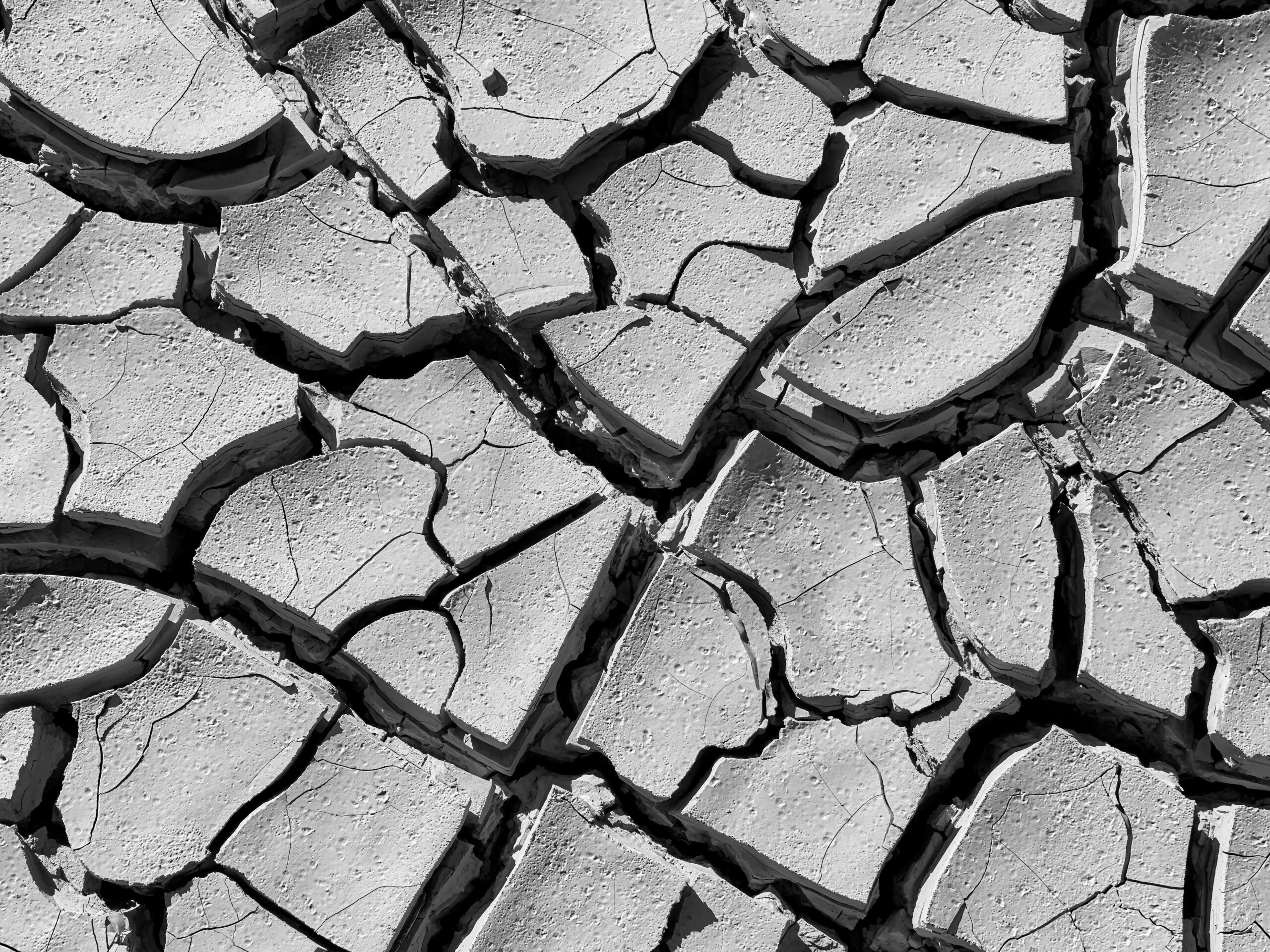
A stark new analysis reveals that severe global drought conditions are placing unprecedented stress on the world’s most vital water resources, jeopardizing food production, energy supply, and regional stability. This alarming conclusion stems from a comprehensive review examining the rapid depletion of major freshwater reserves across multiple continents, including significant agricultural hubs in North America, Europe, and Asia, according to researchers who presented their findings earlier this week. The study underscores an escalating crisis where climate change is accelerating the frequency and intensity of dry spells, fundamentally altering human interaction with the planet’s hydrological cycle.
The Escalating Scale of Water Scarcity
The research paints a troubling picture of rapid resource decay. Data indicates that underground aquifers—which supply nearly half of the world’s drinking and irrigation needs—are being drawn down faster than natural replenishment rates, a phenomenon dubbed “groundwater overdraft.” In regions ranging from the Central Valley of California to India’s breadbasket, decades of reliance on these deep reserves are now meeting a crunch, exacerbated by relentlessly rising global temperatures.
Dr. Anya Sharma, a lead hydrologist associated with the project, emphasized the complexity of the systemic failure. “This isn’t just about localized weather events; it’s a global structural drought crisis,” she noted in a press briefing. “The cumulative demand from agriculture, industry, and burgeoning populations, coupled with erratic precipitation patterns, creates a vicious cycle that conventional water management systems are ill-equipped to handle.”
The implications extend far beyond dry taps. Key findings highlight four crucial areas facing immediate threat:
- Agricultural Output: Major river systems, including the Colorado and the Yangtze, are registering historically low flows, imperilling global commodity markets reliant on irrigated crops like rice, wheat, and maize.
- Energy Generation: Hydropower, a critical source of renewable energy for many nations, is suffering sharp capacity reductions as reservoirs dry up, forcing a greater reliance on fossil fuels in some areas.
- Ecosystem Collapse: Freshwater ecosystems—including wetlands and riparian habitats—are facing mass die-offs, threatening biodiversity and natural water purification processes.
- Geopolitical Stability: Water scarcity is increasingly cited as a driver of internal migration and potential cross-border conflicts, particularly in already volatile regions like the Middle East and sub-Saharan Africa.
Adapting to an Arid Future
Experts stress that while reversing climatic trends requires global cooperation over decades, immediate policy shifts are vital to conserve remaining resources. The study strongly advocates for a multi-pronged strategy focused on efficiency and infrastructure investment.
One key takeaway for policymakers is the urgent necessity of modernizing antiquated irrigation systems. Traditional flood irrigation, which can waste up to 50% of the water used, must be replaced with precision technologies like drip irrigation and smart sensors. Furthermore, urban centres must prioritize aggressive water reuse and recycling programs. Singapore, for instance, has successfully pioneering the full cycling of wastewater back into high-quality drinking water, offering a blueprint for other dense metropolitan areas.
The analysis concludes that proactive governance and technological innovation are the only viable path forward. Governments must implement demand-side management—such as progressive water pricing and strict limits on resource-intensive industries during dry periods—to build resilient water supplies. Failure to secure these fundamental resources, the report cautions, poses one of the most significant challenges to global stability in the 21st century.