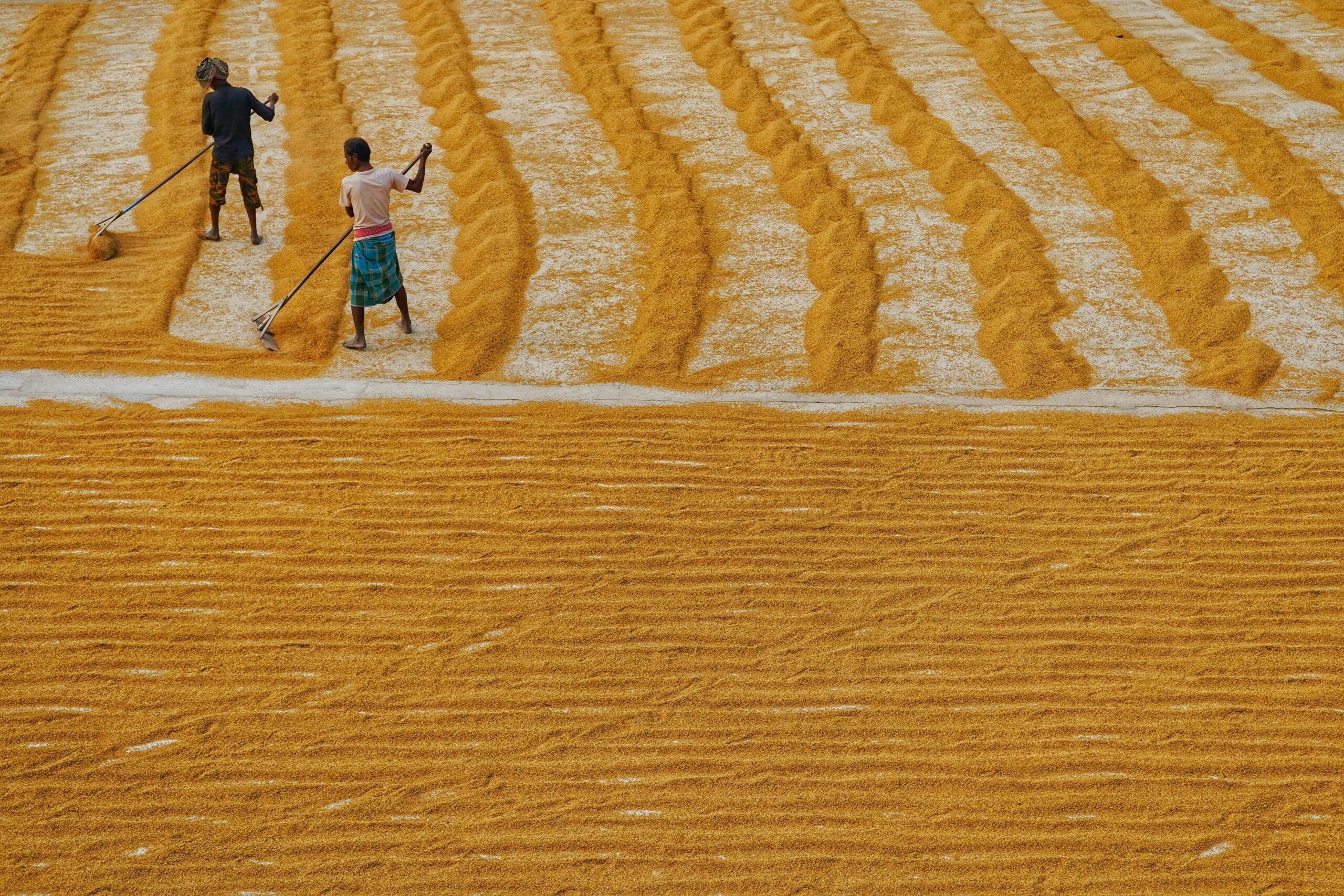
The worldwide cost of essential foodstuffs reached near-record levels in March, driven primarily by ongoing conflicts, particularly the disruption of grain and fertiliser exports from key production regions, compounded by severe weather patterns damaging crops across several continents. Data released by the United Nations’ food organisation confirms a sharp increase in the global food price index, raising urgent concerns about heightened food insecurity for vulnerable populations and the potential for increased domestic instability in import-reliant nations.
Conflict and Climate Fuel Price Rises
The sharp acceleration in prices represents a significant reversal from earlier periods of relative stability. Analysts point to the protracted conflict in Eastern Europe as a major catalyst. Before the current instability, the region accounted for a substantial percentage of global barley, sunflower oil, and wheat exports. Although specific trade routes have been partially re-established, logistical bottlenecks, increased insurance premiums, and reduced access to crucial farming inputs—especially potash and nitrogen-based fertilisers—have severely constrained supply.
Simultaneously, unexpected and extreme weather events have devastated harvests in other major agricultural areas. Droughts have plagued swathes of North America and the Horn of Africa, while excessive rains and floods have hampered production in parts of Asia and South America. This confluence of geopolitical disruption and climate volatility has created a perfect storm for international markets, pushing the indices measuring grains, edible oils, and dairy products notably higher.
Impact on Developing Economies
While the rising cost of groceries affects consumers globally, the impact is disproportionately felt in low-income, food-deficit countries. According to humanitarian agencies, many nations rely heavily on a small basket of imported staples. When the cost of these essential items rises rapidly, households immediately face strained budgets, often forced to choose between purchasing food and securing other necessities such as medicine or shelter.
Expert economists warn that sustained high food prices can trigger broader economic instability. Nations reliant on food imports must dedicate more foreign currency reserves to purchasing staples, weakening their national currencies and worsening inflation. The UN has called for international cooperation on contingency planning regarding grain reserves and the urgent establishment of “green corridors” to ensure the consistent movement of agricultural goods.
“We are seeing classic demand-shock coupled with supply-chain breakdown,” noted Dr. Anya Sharma, an expert on agricultural trade at Chatham House. “The immediate priority must be stabilising fertiliser markets. Without access to affordable fertiliser, next year’s crop yields will undoubtedly be poor, locking us into a multi-year crisis.”
Mitigating Future Vulnerability
Moving forward, addressing systemic vulnerabilities in the global food network requires diversified sourcing and enhanced local resilience. Several practical steps can help cushion consumers from ongoing price shocks:
- Diversification: Governments must strategically reduce reliance on single-source suppliers for major commodities.
- Infrastructure Investment: Improving storage facilities, local transportation networks, and cold chains reduces post-harvest losses, which currently account for a significant portion of wasted food.
- Support for Sustainable Farming: Encouraging climate-resilient agricultural techniques, such as drought-resistant crops and efficient water management, can help local farmers absorb weather shocks.
Ultimately, while geopolitical stability remains the ideal solution for immediate relief, the long-term trend suggests increasing volatility in food supplies due to the accelerating effects of climate change. This requires integrated, globally coordinated strategies to safeguard nutrition and prevent humanitarian crises linked to food scarcity. The crisis demands that policymakers move beyond short-term fixes toward fundamental shifts in how the world produces, distributes, and consumes its calories.