The stability of the world’s food supply faces unprecedented challenges as climate change-driven extreme weather events increasingly disrupt agricultural output across multiple continents. From searing heatwaves to devastating floods, erratic weather patterns are curtailing essential commodity harvests, threatening not only market stability but also global food security, particularly for vulnerable populations. This volatile environment demands urgent, coordinated international action focused on climate resilience and sustainable farming practices.
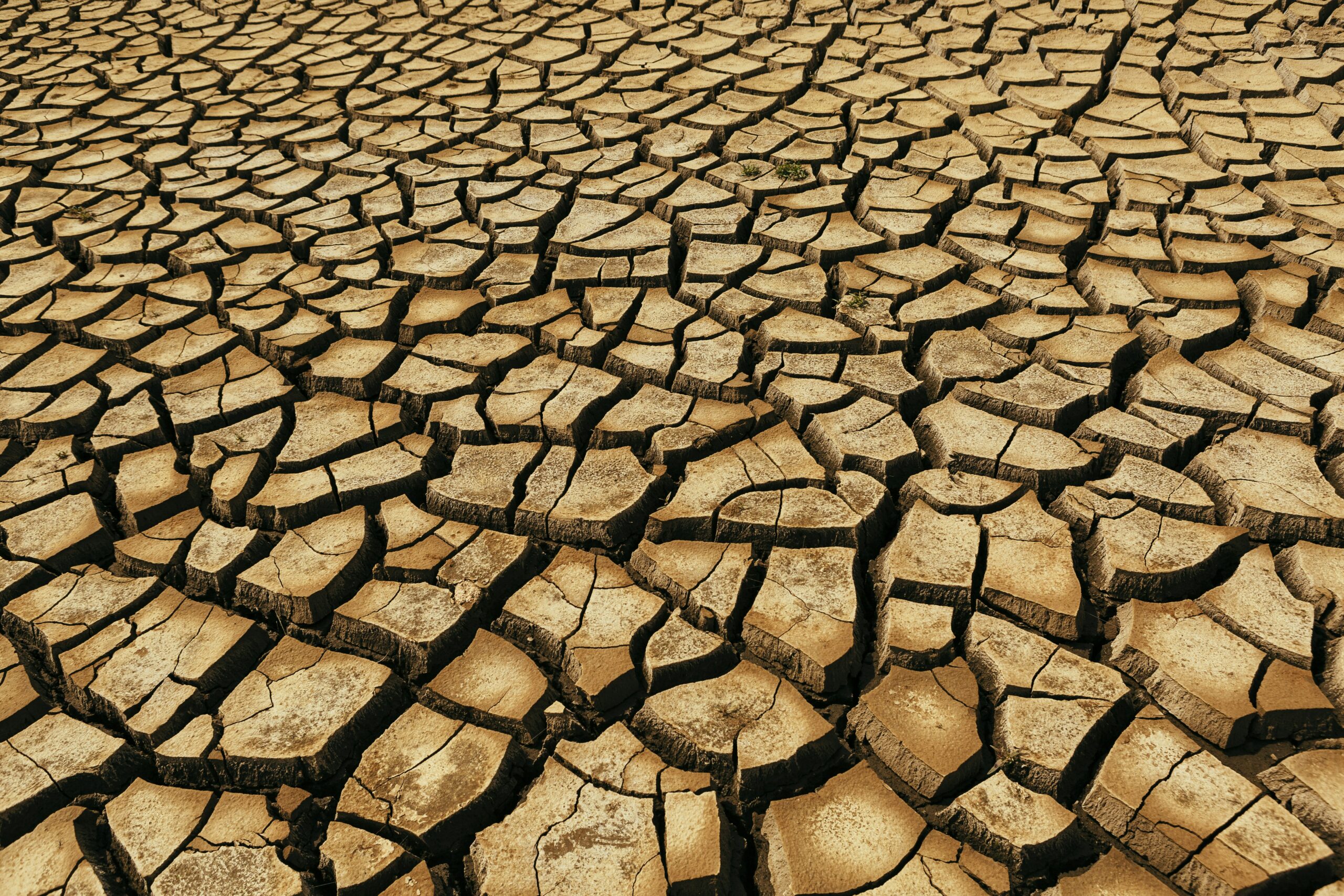
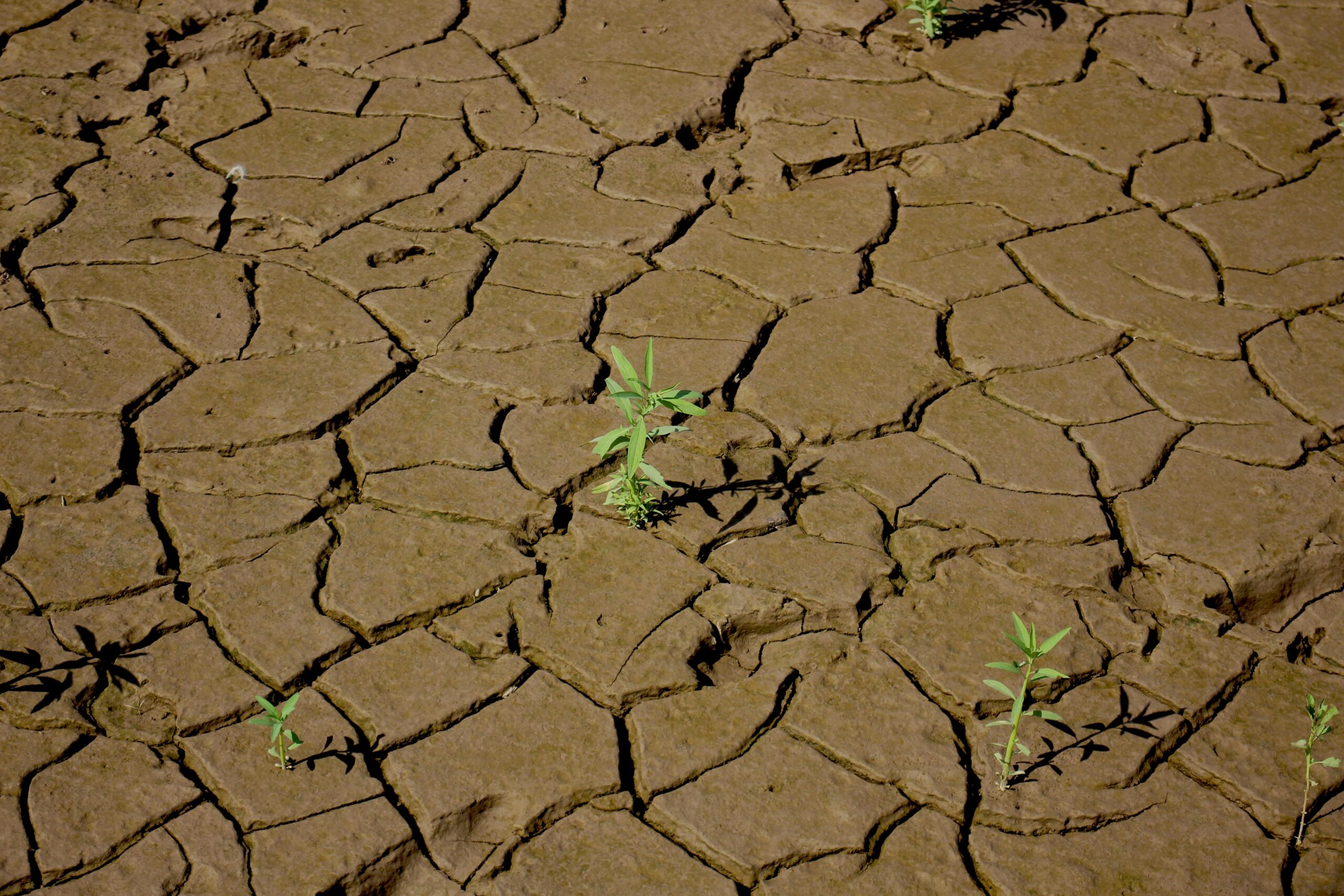
Recent analyses indicate a critical convergence of environmental stressors impacting key agricultural regions simultaneously. In North America, persistent drought conditions have significantly reduced anticipated yields of major grain crops, including corn and soy, driving futures markets higher. Concurrently, parts of Asia and Europe have experienced abnormal flooding and excessive precipitation during crucial planting and harvesting windows, leading to substantial losses of rice, wheat, and specialty crops. These localized disasters aggregate into a systemic global risk, diminishing essential commodity stockpiles worldwide.
Escalating Climate Risks for Farming
Experts warn that the non-linear nature of climate impacts poses far greater challenges than historically predictable weather cycles. Professor Eleanor Vance, a climatologist specialising in agricultural systems at the Global Institute for Food Security, notes the shift: “It’s not just the average temperature increase; it’s the increased frequency and intensity of these destructive outlier events—the ‘one-hundred-year storms’ that now happen every five years. Farmers struggle to adapt when the baseline conditions are constantly in flux.”
The human toll is immediate and stark. In Subsaharan Africa, delayed monsoons followed by torrential downpours have ruined subsistence farming for millions, exacerbating existing poverty and triggering localized food shortages. Aid organisations are struggling to meet the escalating demand for emergency relief, strained by the scale and simultaneity of the crises.
Economic implications also ripple through the global market. Reduced yields automatically tighten supply, translating into higher consumer prices in supermarkets—a phenomenon experts call food price inflation. This inflation disproportionately affects lower-income households globally, often forcing difficult choices regarding nutrition and household spending. Furthermore, major agricultural exporting nations face the dual challenge of meeting domestic needs while fulfilling international contracts, potentially leading to export restrictions designed to safeguard internal supply.
Building Resilience in the Food Chain
Addressing this looming crisis requires a multi-faceted approach extending beyond immediate relief:
- Investment in Climate-Resilient Crops: Developing and deploying crop varieties engineered to withstand higher temperatures, drought, or excessive moisture is crucial. This involves significant public and private sector funding for biotechnological research.
- Improving Water Management: Implementing advanced irrigation techniques, rainwater harvesting, and efficient water policies can mitigate the worst effects of both drought and flood cycles.
- Diversification of Food Sources: Encouraging local food production and diversifying the global geographic origins of staple crops can buffer against localized climate shocks.
- Enhanced Early Warning Systems: Providing timely, accurate climate forecasts to rural farming communities allows for proactive measures, such as adjusting planting schedules or selecting alternative crops.
Ultimately, the stability of the global food system is intrinsically linked to global commitment to climate action. While individual farmers bear the immediate consequences of these weather extremes, the responsibility for securing the world’s plate rests with policymakers, scientists, and international bodies committed to building a resilient, sustainable future for agriculture. Ignoring these escalating environmental signals means risking widespread hunger and profound geopolitical instability.