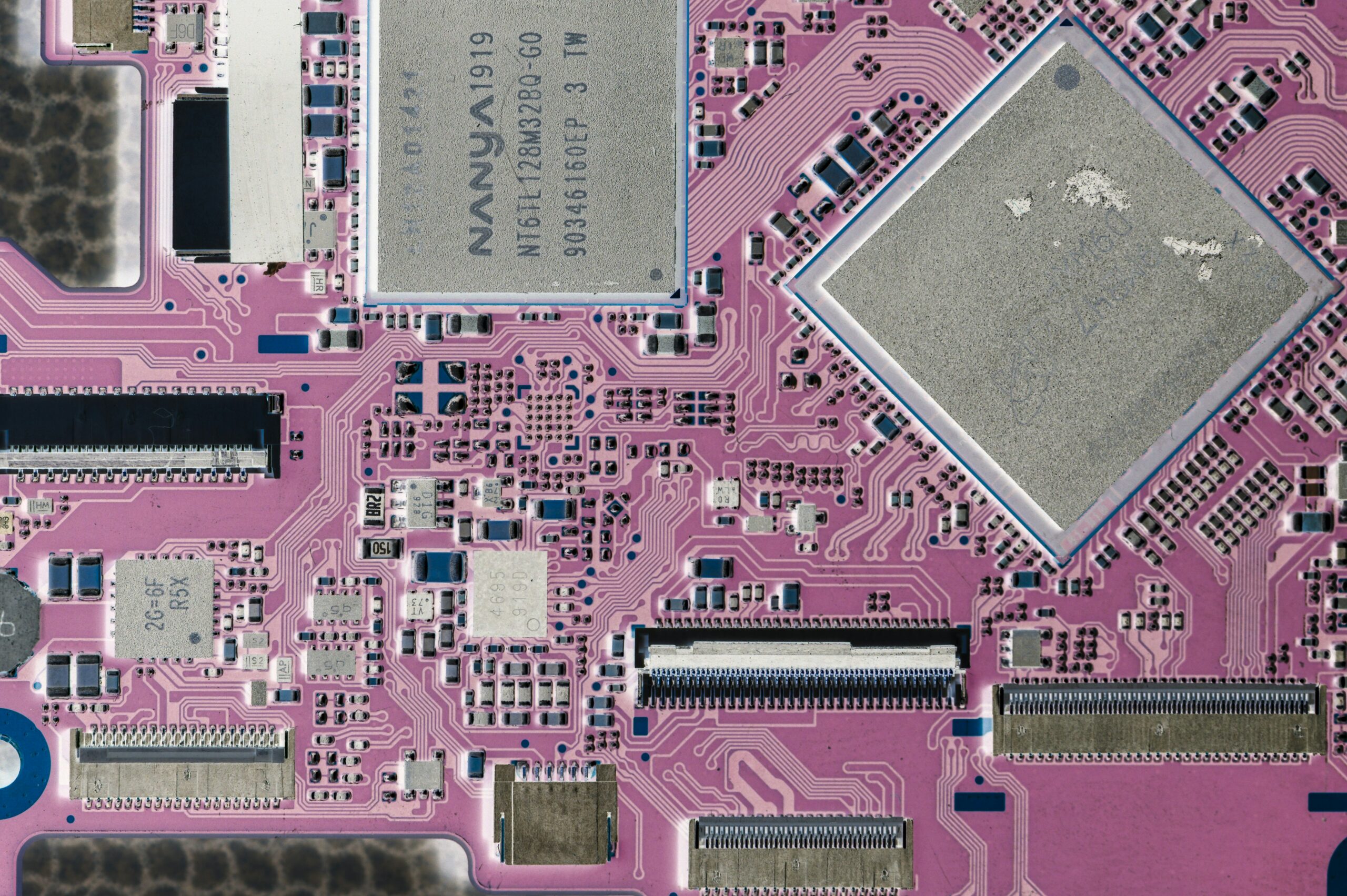
The semiconductor industry is experiencing an unprecedented surge in global manufacturing investment, marking a strategic pivot away from traditional, concentrated production hubs. This massive expansion, fueled by geopolitical tensions, pandemic-related supply chain shocks, and soaring demand for advanced computing, signals a fundamental restructuring of the world’s most critical technological supply chain.
Nations Invest Billions to Secure Chip Futures
Across North America, Europe, and Asia, governments are pouring billions into incentives and subsidies to establish domestic chip fabrication plants, known as fabs. This urgency stems from the realization that modern economies hinge on robust, reliable access to microchips—the “new oil” that powers everything from smartphones and automobiles to military hardware and artificial intelligence infrastructure.
The United States, through acts like the CHIPS and Science Act, is offering substantial financial packages aimed at bringing leading-edge manufacturing back to the country. Similarly, the European Union has launched initiatives to boost its global market share in chip production, emphasizing resiliency and reducing reliance on Asian manufacturers, particularly those in East Asia. Analysts suggest that these combined global investments represent the most significant capital expenditure cycle in the industry’s 70-year history.
While the primary goals are economic competitiveness and national security, this rush has immediate implications for the technological landscape. New facilities often focus on next-generation process nodes, pushing the boundaries of miniaturization and efficiency crucial for developing more powerful and energy-efficient electronic devices.
Challenges of Building Supply Chain Redundancy
Despite the vast capital commitments, establishing a self-sufficient, diversified global chip supply chain presents significant hurdles. Semiconductor manufacturing requires highly specialized infrastructure, vast quantities of ultra-pure water, and a highly skilled engineering workforce. Attracting and retaining talent is proving to be a major bottleneck for new facilities, particularly in regions that lack a deep history of advanced manufacturing.
Furthermore, the industry’s complexity necessitates intricate global collaboration. Even with domestic fabs, companies rely on specialized equipment from a handful of firms, particularly those supplying lithography machines, often clustered in locations like the Netherlands and Japan. True redundancy, therefore, requires distributing not just fabrication, but the entire ecosystem of design, materials, and equipment.
Industry experts caution that these mega-projects will not yield immediate independence. Fabrication plant construction typically takes several years, and ramping up production volume to globally significant levels requires sustained investment and technical mastery. According to market research, while capacity is increasing globally, the lead time for some specialized components remains elevated, suggesting that the benefits of this expansion phase will materialize fully over the next five to ten years.
The Broader Impact on Consumers and Technology
For consumers, the successful decentralization of chip production could eventually provide greater stability and potentially mitigate price fluctuations caused by future supply crises. A more dispersed and resilient network means fewer major disruptions to the electronics market.
More significantly, this shift defines the geopolitical landscape. Control over advanced chip technology is inextricably linked to military superiority and technological leadership in areas like quantum computing and advanced AI. As nations race to secure their technology futures, the global chip expansion becomes more than just an economic story; it is a critical component of defining the balance of power in the 21st century. The actions taken today will determine which nations lead the next wave of technological innovation and how securely global access to essential technology is maintained.