Europe’s critical river systems are experiencing dangerously low water levels, a phenomenon stretching across the continent from the Rhine to the Danube, fueled by a prolonged convergence of severe heatwaves and inadequate winter snowpack. This mounting crisis, evident since late May and intensifying through the summer months, is severely constraining hydroelectric power generation, disrupting vital inland navigation, and imperiling fresh water supplies for agriculture and consumption, signaling profound economic and environmental challenges across multiple nations.
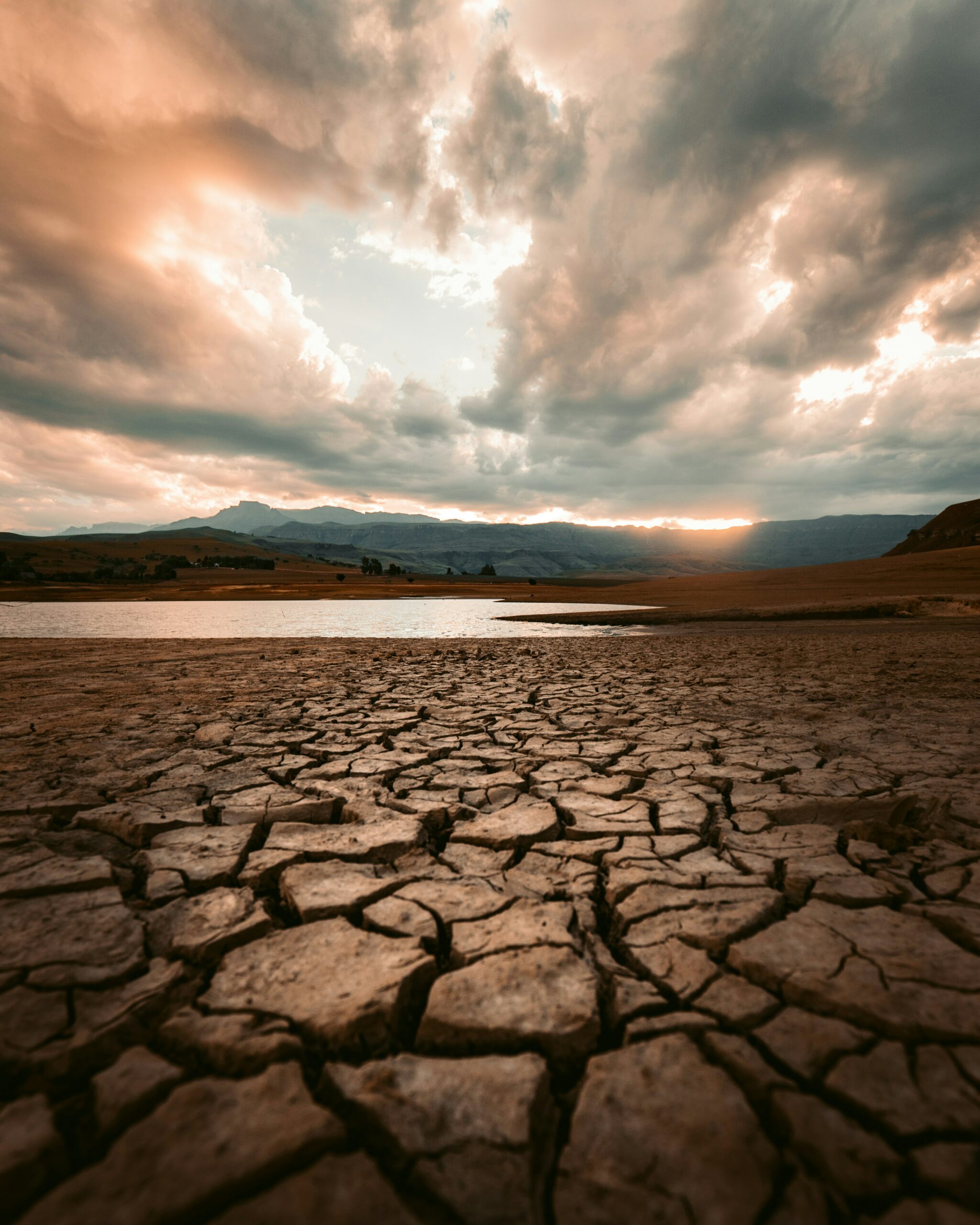
The severity of the current conditions—often described by experts as the worst in decades—stems from a complex interplay of climate factors. Following a mild winter that failed to replenish mountain snow reservoirs crucial for spring meltwater, successive summer heat domes have rapidly evaporated surface water and reduced precipitation. Rivers that serve as the economic arteries of the continent are becoming alarmingly shallow.
Impact on Commerce and Energy
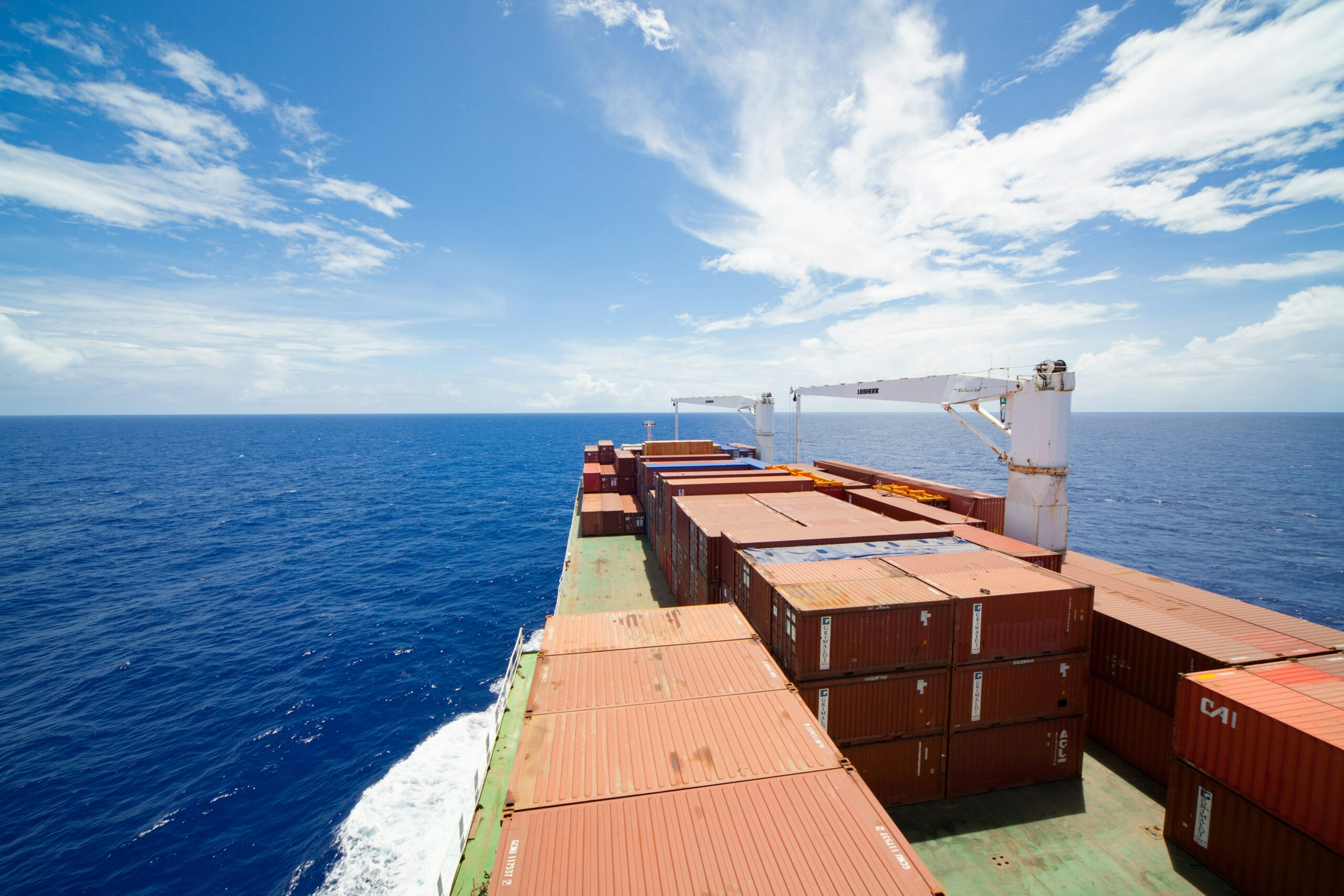
The Rhine River, a cornerstone of German and Dutch industry, is particularly affected. Near the crucial chokepoint of Kaub, water depths have dropped so low that many cargo barges are forced to operate at fractions of their normal capacity—sometimes carrying as little as 25% of their usual load—to avoid running aground. This constriction is drastically increasing shipping costs and creating bottle-necks in the supply chains for essential commodities like coal, chemicals, and refined petroleum products.
Similarly, the Danube River, vital for trade in Southeast Europe, is presenting navigational hazards in its upper reaches. The economic ramifications are immediate, feeding into inflationary pressures as transportation logistics become more expensive and unreliable.
The energy sector is facing a dual threat. Low river flow rates dramatically reduce the efficiency of hydroelectric power stations across Scandinavia and the Alps. Simultaneously, the depleted volume and elevated temperatures of the water compromise cooling mechanisms for various power plants, including nuclear facilities in France, forcing some operators to reduce output to comply with environmental regulations.
Ecological and Agricultural Strain
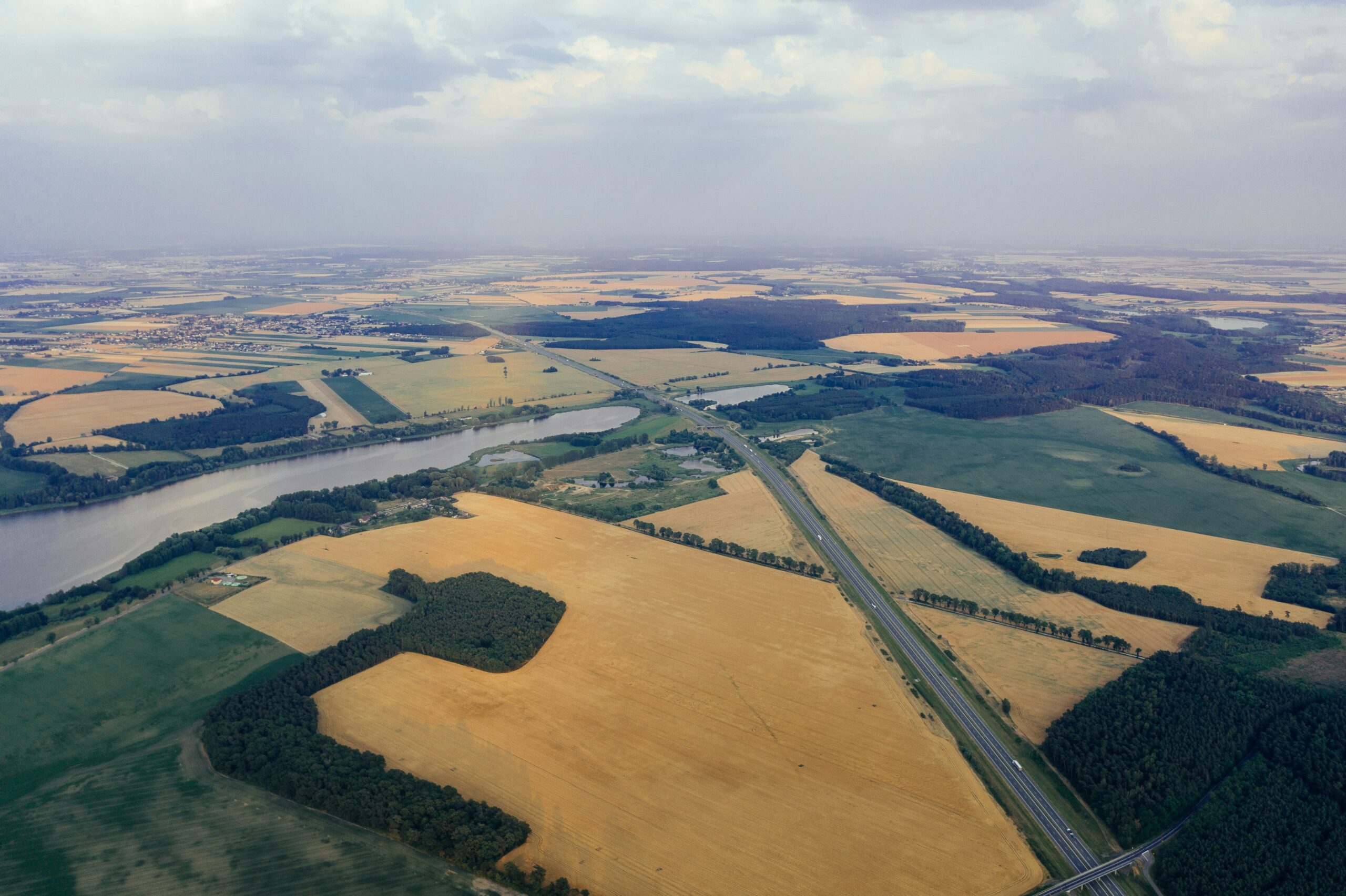
The environmental consequences are also stark. Reduced water volume concentrates pollutants, threatening aquatic ecosystems and fish populations already stressed by rising water temperatures. For the agricultural sector, the low levels translate directly into limited irrigation capacity during peak growing seasons. Farmers across Italy, France, and Spain are battling conditions that slash predicted harvests, threatening food security and increasing the risk of widespread crop failure.
Dr. Elena Rossi, a hydrologist specializing in European climate models, noted the alarming trend. “We are seeing the seasonal variability accelerate. This isn’t just a dry year; it points toward structural climate shift where extreme events become the norm,” she stated. “Countries must invest aggressively in both sustainable water management and resilient energy infrastructure that is less dependent on fluctuating river flow.”
Adapting to the New Reality
In response, governments are adopting emergency measures, including prioritizing water use for consumption over irrigation, and exploring alternative transport options, such as shifting cargo to rail. However, these short-term fixes cannot replace the volume and efficiency offered by large-scale inland waterways.
Looking ahead, the intensifying frequency of these hydrological droughts underscores the urgent need for long-term adaptation strategies. This includes developing more efficient irrigation technologies, improving cross-border water sharing agreements, and significantly expanding national water storage capacity. Until substantial rain returns, Europe’s rivers remain a visual metaphor for the ongoing, profound challenges posed by climate instability. Future policy must focus on building resilience against a future where dry summers are increasingly the established norm.