Geneva, Switzerland—Worldwide food costs have reached unprecedented levels, driven by a confluence of geopolitical instability, lingering disruptions from the pandemic, and volatile weather patterns contributing to higher production and transport expenses. This surge threatens to exacerbate global food insecurity, particularly affecting low-income nations and vulnerable populations relying on imports for staple goods. Experts warn that the sustained high prices risk triggering social unrest and deepening the international humanitarian crisis unless swift, coordinated efforts are implemented to stabilise agricultural markets and bolster supply chain resilience.
The primary factors fueling the crisis are multiple and entangled. Energy prices, essential for everything from running farm machinery to producing fertilisers and powering shipping vessels, remain elevated. This directly translates into higher input costs for farmers globally. Furthermore, significant agricultural producers have faced substantial disruption. The conflict in Ukraine, often dubbed the “breadbasket of Europe,” has curtailed the flow of critical commodities, including wheat, corn, and sunflower oil, into the global market. Simultaneously, climate change-induced droughts and extreme heat events in regions like South America and parts of Asia have severely impacted crop yields, reducing available stocks.
Why Basic Goods Cost More
The complexity of the modern food system means that disruptions at one stage quickly ripple through the entire chain. Shipping container shortages and port congestion experienced during the high points of the pandemic have eased slightly but have left behind structurally higher costs for maritime freight. Insurance and risk premiums associated with transporting goods through volatile geopolitical zones also add to the final price consumers pay.
According to data compiled by the UN Food and Agriculture Organisation (FAO), the global food price index has shown sustained elevation for more than two years, occasionally reaching peaks not witnessed since record-keeping began. While indices fluctuate monthly, the underlying trend points toward systemic vulnerability rather than temporary supply shocks.
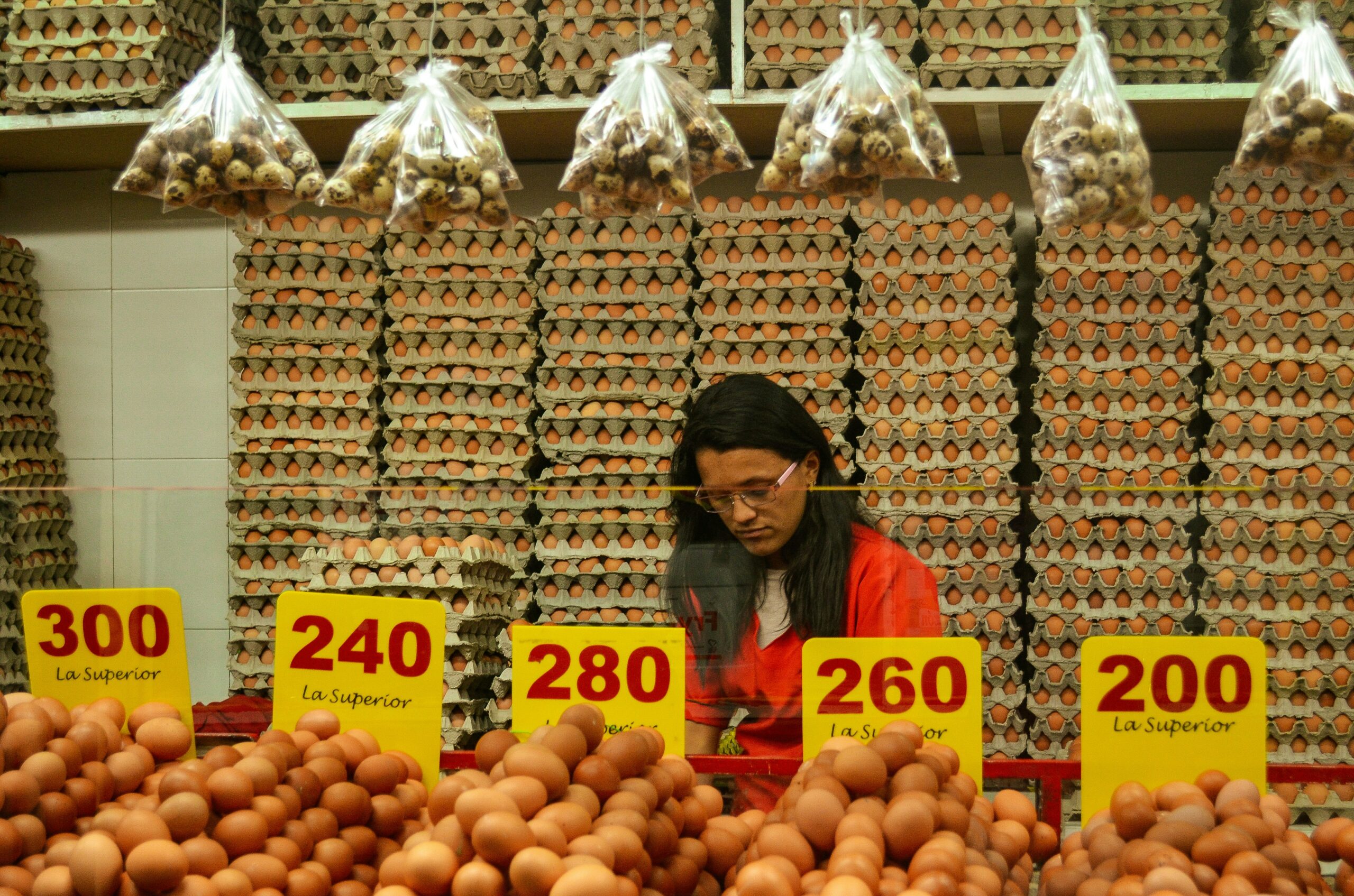
Developing nations, heavily dependent on international markets for staples, are bearing the brunt of this inflation. For example, countries in the Middle East and Africa relying on Black Sea grain exports have seen sharp increases in the cost of basic bread and cooking oil. This intense pressure on household budgets is forcing difficult choices, sometimes pushing nutritious foods out of reach for millions.
Mitigating Global Food Risks
To navigate this ongoing crisis, a multi-pronged approach is necessary, focusing both on immediate relief and long-term stability.
“The international community must prioritise opening secure corridors for agricultural exports and investing aggressively in climate-resilient farming techniques,” states Dr. Elena Rodriguez, an economist specialising in agricultural trade. “Relying on a few key regions for essential calories exposes the entire world to unacceptable risk.”
Key actionable steps governments and international bodies are exploring include:
- Diversifying production: Encouraging agricultural output in less affected regions to mitigate reliance on geopolitical hotspots.
- Strategic reserves: Establishing robust national and regional food reserves for emergency deployment during shocks.
- Sustainable shipping: Investing in decentralised, efficient logistics networks to reduce dependency on fossil fuels and vulnerable ports.
Ultimately, addressing high food prices requires tackling the root causes: fostering peace, transitioning away from volatile energy sources, and adapting agriculture to a changing climate. Unless these systemic issues are resolved, high grocery bills will remain a defining challenge of the 2020s, particularly for the world’s most vulnerable populations.