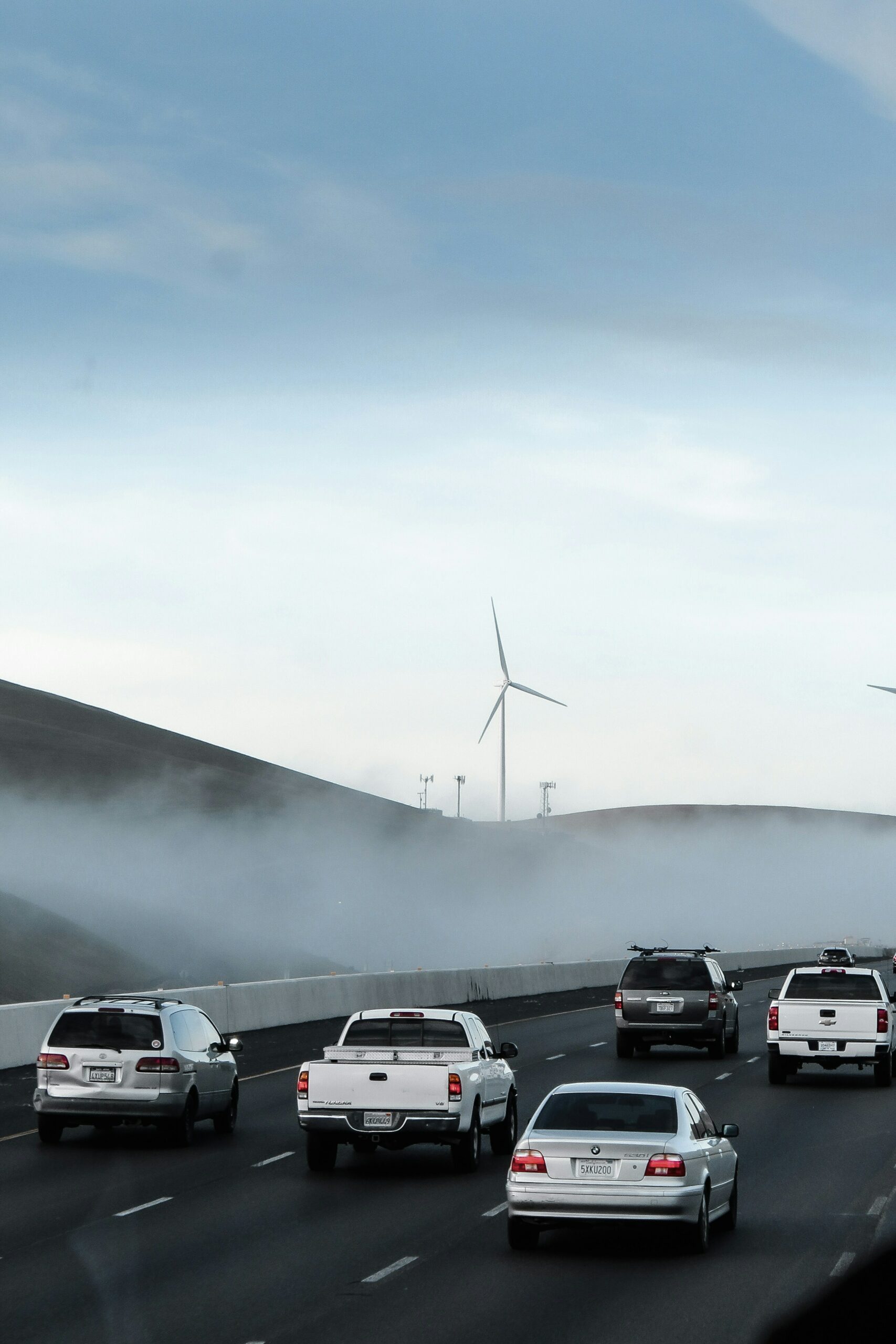
Global energy-related carbon dioxide emissions plateaued in 2023, offering a modest yet significant glimmer of hope in the worldwide effort to combat climate change, according to preliminary data released Monday by the International Energy Agency (IEA). This stagnation, occurring despite robust economic growth and a surge in global energy demand, suggests a potential decoupling of economic progress from fossil fuel consumption, primarily driven by massive deployments of renewable energy technologies and increasing adoption of electric vehicles across major economies.
For the first time following years of continuous rises, the annual growth rate of energy-related CO2 emissions effectively stalled, hovering at approximately zero growth compared to the previous year. This resilience stems largely from the unprecedented adoption of cleaner alternatives, particularly solar and wind power, which began significantly displacing natural gas for electricity generation in industrialized nations. Furthermore, the rapid penetration of electric transport solutions, particularly in China and Europe, played a pivotal role in curbing rising emissions from the transportation sector.
Shifting Energy Dynamics
Fatih Birol, the IEA’s Executive Director, stated that the data indicates a fundamental shift in energy systems is underway, asserting that “The narrative that sustained economic progress automatically translates into higher CO2 emissions is clearly breaking down.” He emphasized that governmental policies promoting energy efficiency and low-carbon technologies are proving effective in reshaping the global energy landscape.
The report highlighted that while some sectors, such as heavy industry and aviation, still present significant challenges, the power sector is quickly transitioning. In advanced economies, the installation of renewable power capacity reached record levels, often replacing older, less efficient coal plants. This transition was particularly apparent in the European Union, where a warmer winter also contributed to reduced heating demands and thus lower natural gas consumption.
Significantly, the data reveals a disparity between developing and advanced economies. While CO2 emissions from advanced economies like the United States and the European Union saw declines, driven both by structural shifts and moderate weather effects, emissions in several emerging economies continued to rise, albeit at a slower pace than observed immediately post-pandemic. This highlights the ongoing necessity of financing and technology transfer to support sustainable development in the Global South.
Policy and Investment Imperatives
The stabilization of emissions does not equate to a victory in the climate fight; scientists warn substantial emissions reductions are urgently required to meet the goals set forth in the Paris Agreement. However, experts view this plateau as a crucial inflection point, offering tangible evidence that aggressive climate policies and investment are capable of bending the global emissions curve.
To maintain this trajectory, policymakers must focus on three key areas:
- Accelerating Renewable Deployment: Removing regulatory hurdles and ensuring grid flexibility to manage intermittent solar and wind sources.
- Addressing Hard-to-Abate Sectors: Investing heavily in hydrogen, sustainable aviation fuels, and carbon capture technologies for steel and cement production.
- Enhancing Energy Efficiency: Implementing stricter building codes and promoting efficient industrial processes globally.
The IEA suggests that robust international cooperation and an exponential increase in clean energy funding are essential next steps. While economic expansion historically fueled pollution, 2023 demonstrated a tangible crack in that relationship, providing a roadmap for achieving simultaneous economic prosperity and environmental sustainability. The momentary pause in rising carbon output serves as both a sign of progress achieved and a sharp reminder of the steep climb ahead.