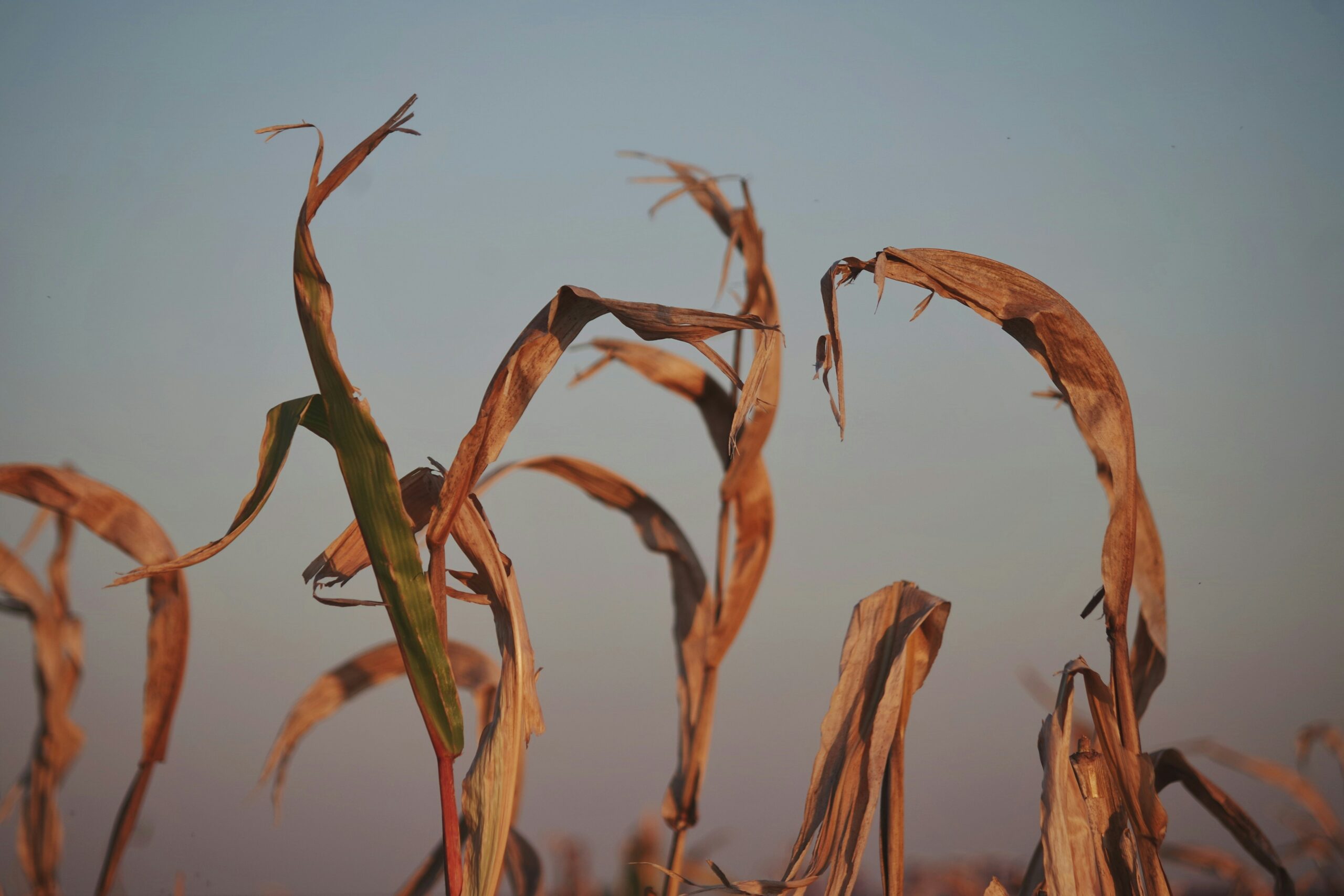
The worldwide food landscape faces increasingly complex challenges, with leading agricultural experts and intergovernmental organizations warning that existing supply chain fragilities could worsen significantly throughout the remainder of this year and into next. This potential escalation is driven by a convergence of geopolitical turbulence, persistent climate volatility, and inflationary economic pressures impacting the cost of critical inputs like fertiliser and energy.
This looming crisis is not solely one of scarcity but involves disparities in access and affordability, threatening to exacerbate food insecurity particularly in vulnerable regions already dealing with conflict or economic instability. Policy makers are being urged to implement immediate, globally coordinated strategies to mitigate potential shortages and stabilise staple commodity prices before the situation deteriorates further.
Pressures Mount on Global Food Systems
Analysis from the UN Food and Agriculture Organization (FAO) and various economic bodies highlights several interconnected drivers pushing global food systems toward a tipping point. Chief among these is extreme weather. Unpredictable rainfall patterns, prolonged droughts in regions like the Horn of Africa, and excessive flooding disrupt planting and harvest cycles, fundamentally reducing yields for key crops such as wheat, maize, and rice. Simultaneously, shifts in ocean temperatures are affecting fisheries, introducing another layer of uncertainty to protein sources.
Beyond immediate environmental concerns, the economic architecture supporting agriculture is experiencing seismic shifts. The price of agricultural inputs—specifically natural gas-derived nitrogen fertilisers and fuel for transportation—remains high following recent global energy market disruptions. These elevated costs translate quickly to higher consumer prices for finished food products, a phenomenon often referred to as “agflation.”
Geopolitics and Trade Disruptions
Geopolitical conflicts continue to heavily influence grain distribution, dramatically altering established trade routes and commodity flows. Restrictions on exports or difficulties ensuring the passage of goods through critical maritime chokepoints contribute directly to market volatility. When major exporting nations face internal conflicts or impose protectionist measures, lower-income, import-reliant countries suffer the most immediate consequences through skyrocketing import bills and dwindling reserves.
Experts caution that inadequate infrastructure for storage and handling in many developing economies exacerbates these challenges. Losses post-harvest remain substantial, meaning that even moderate successful harvests may not fully translate into available food supplies.
Actionable Steps for Resilience
The international community must pivot from reactive crisis management to proactive, long-term resilience building. This involves strategic investments across several key areas:
- Diversification of Sourcing: Countries need support to avoid over-reliance on a single supplier for essential commodities. Developing robust regional trading blocs can help absorb shocks.
- Climate Adaptation Technologies: Funding is essential for precision agriculture, drought-resistant crop varieties, and improved water management systems to safeguard yields against climate extremes.
- Supporting Smallholder Farmers: Providing subsidised access to quality inputs, financing, and advanced technical knowledge can improve productivity and sustain local food economies, which often serve as the bedrock of national food security.
The consensus among agricultural policy analysts is clear: the path to averting a widespread food crisis requires immediate, collaborative action. Ignoring the current strains, driven by climate, conflict, and cost, poses an unacceptable risk to global stability and human welfare. The necessity for integrated global governance on agricultural trade and sustainability has never been more urgent.