The climate crisis poses an existential threat requiring urgent and synchronized international action, according to a recent consensus among scientists and policymakers. As escalating extreme weather events—from persistent droughts and intense heatwaves to devastating floods—redefine environmental norms globally, the imperative for transformative policy shifts and rapid decarburisation has never been greater. Waiting for future technological breakthroughs is no longer a viable strategy; current viable solutions must be deployed at unprecedented scales immediately to limit catastrophic warming.
A growing body of evidence, anchored by reports from the Intergovernmental Panel on Climate Change (IPCC), indicates that human activities are the primary driver of rapid global temperature increases. Limiting warming to the crucial 1.5 degrees Celsius above pre-industrial levels, a target established under the Paris Agreement, demands steep and swift cuts in greenhouse gas emissions across all sectors.
Accelerating the Transition to Renewable Energy
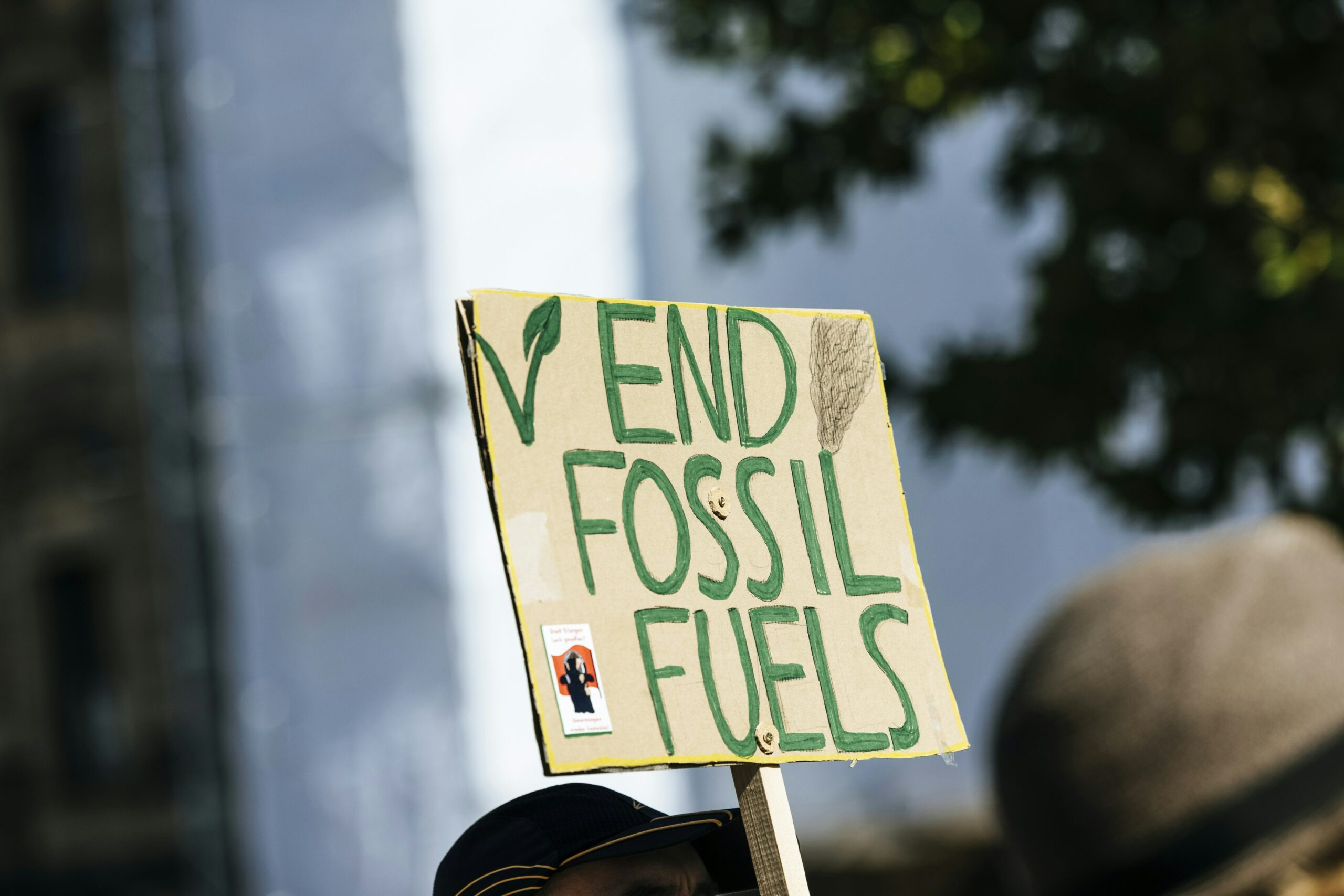
Central to the mitigation effort is a mandatory and immediate overhaul of the global energy infrastructure. Relying heavily on fossil fuels must end, replaced by scaled-up deployment of renewable sources. Investments in solar, wind, and geothermal power are proving economically viable and strategically essential, yet bureaucratic and logistical hurdles often impede their swift widespread adoption. Governments have a critical role in streamlining permitting processes, modernising electricity grids, and offering stable policy frameworks that incentivise private sector investment in clean energy projects.
Furthermore, energy efficiency improvements—in building design, industrial processes, and transport—offer a rapid pathway to reduce energy demand without compromising economic output. Simple measures, such as stricter insulation standards and phasing out inefficient appliances, can collectively yield significant emissions reductions.
Addressing Vulnerability and Climate Justice
While mitigation focuses on curbing emissions, adaptation is crucial for managing the impacts already locked into the climate system. Many climate experts stress that the effects of warming disproportionately affect lower-income nations and vulnerable communities, which often possess the fewest resources to prepare for and recover from climate shocks.
Effective global policy must include targeted financial and technological assistance to help these regions build resilience. This involves strengthening early warning systems, investing in robust water management and sustainable agriculture, and improving disaster preparedness infrastructure. Climate finance, especially commitments made by developed nations to assist developing economies, must be fulfilled transparently and predictably.
The implications of inaction span humanitarian, economic, and security dimensions. Unchecked climate change threatens food security, exacerbates migration crises, and increases the potential for resource conflicts. Economists estimate that the long-term costs of climate damage far outweigh the upfront investment required for climate protection and sustainable transitioning.
Ultimately, tackling the climate emergency requires unprecedented multilateral cooperation and accountability. Every nation, government body, corporation, and individual has a role to play in operationalising the necessary changes. The coming decade represents a pivotal moment: decisive action now determines the livability of the planet for future generations. Experts advocate for immediate policy shifts prioritizing sustainability over short-term economic gains to secure a stable global future.