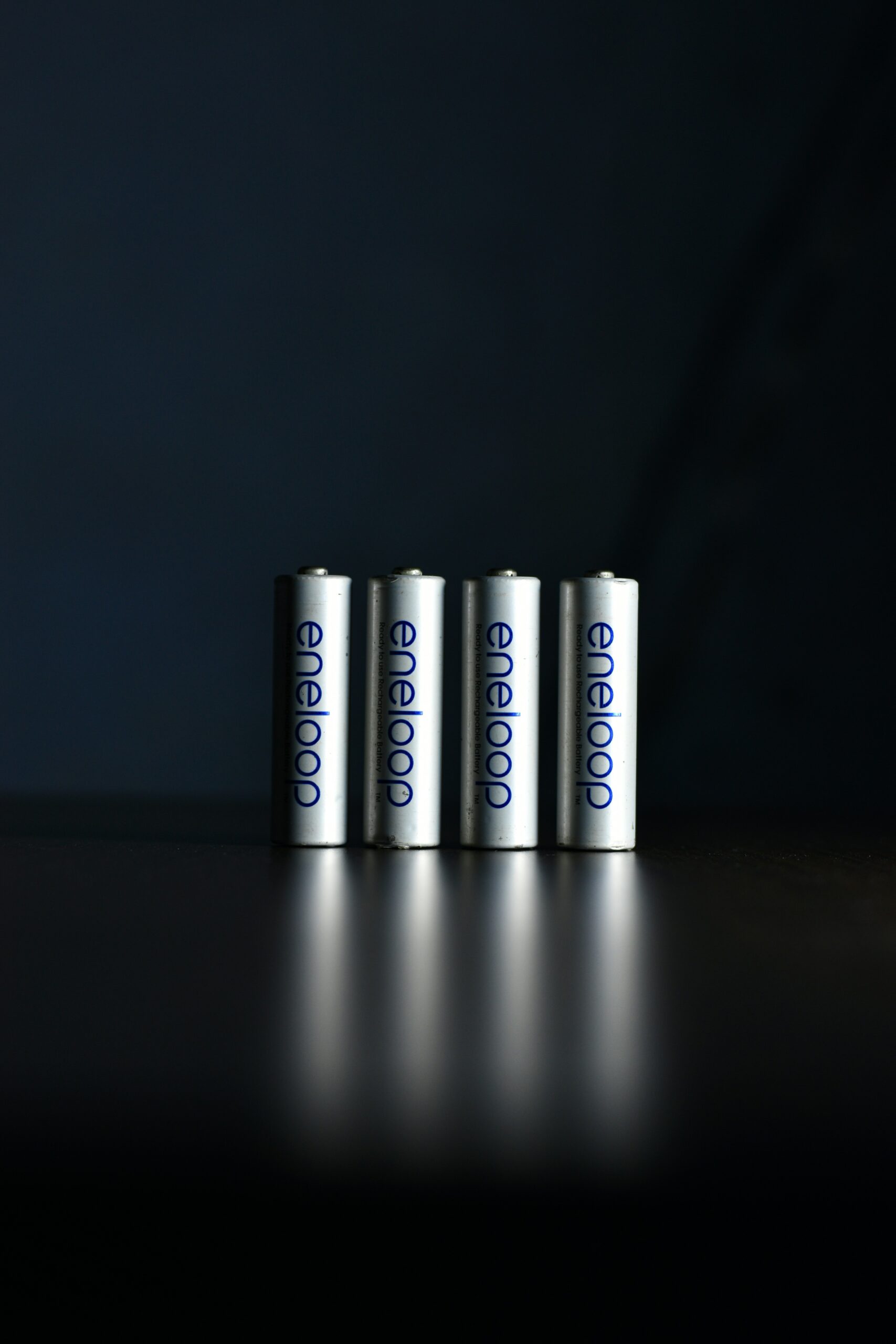
The core technology powering electric vehicles is undergoing a rapid evolutionary leap, addressing key concerns for consumers and potentially paving the way for wider global adoption. Advances in battery chemistry, manufacturing processes, and energy density are collectively mitigating issues related to range anxiety and charging times, long cited as major barriers to transitioning from traditional internal combustion engine (ICE) cars.
Solid-State Batteries Promise Faster Charging and Greater Range
Among the most significant developments is the push toward solid-state battery technology. Unlike the current standard lithium-ion batteries, which rely on liquid or gel electrolytes, solid-state batteries utilize a solid material. This structural shift offers several critical advantages.
Firstly, solid-state designs inherently boast superior energy density, meaning they can store significantly more power in the same physical space. For drivers, this translates directly into a longer driving range between charges. Secondly, the solid electrolyte is non-flammable, enhancing safety compared to liquid lithium-ion predecessors. Perhaps most compelling, however, is the potential for ultra-fast charging; prototypes have demonstrated the capability to replenish usable range in minutes, rather than the half-hour or more often required today.
Major global automakers and specialized technology firms are heavily investing in this domain. While mass-market implementation remains several years away, with most industry analysts projecting availability in premium models by the mid-to-late 2020s, the breakthroughs are fundamentally changing consumer expectations about performance and convenience.
Manufacturing Innovations Drive Down Costs
Simultaneously, the industry is refining how lithium-ion batteries are produced, making electric vehicles (EVs) more competitive on price. Gigafactories dedicated to battery production are achieving massive economies of scale, standardizing components, and streamlining assembly. One notable trend is the move toward “cell-to-pack” architecture, where individual battery cells are placed directly inside the battery housing rather than bundled into larger modules first.
This simplified manufacturing approach reduces complexity, saves weight, and allows manufacturers to utilize the available space more efficiently, further boosting range without increasing the battery footprint. These efficiencies are crucial to attaining price parity between EVs and comparable gasoline-powered cars, a point widely regarded as the tipping point for mass consumer adoption.
Addressing the Supply Chain Challenge
Beyond technical advancements, the focus is increasingly on sustainable sourcing and diversification of raw materials. Currently, battery production relies heavily on resources like lithium, cobalt, and nickel, often subject to volatile supply chains and ethical scrutiny.
Research efforts are therefore exploring alternatives, including sodium-ion batteries, which bypass the need for lithium and cobalt entirely. While sodium-ion technology currently yields lower energy density than cutting-edge lithium-ion, its abundance and low cost make it highly attractive for smaller vehicles and energy storage applications. Industry experts suggest this diversification will stabilize future EV prices and reduce geopolitical risks associated with mineral procurement.
These cumulative advancements signal a fundamental maturation of the EV market. As batteries become safer, cheaper, and faster to recharge, the primary drawbacks that previously deterred buyers—high initial cost and range limitations—are gradually being eradicated, accelerating the global transition toward electric mobility. Consumers can anticipate increasingly capable and affordable vehicles arriving in showrooms as these innovations move from the laboratory to the production line.