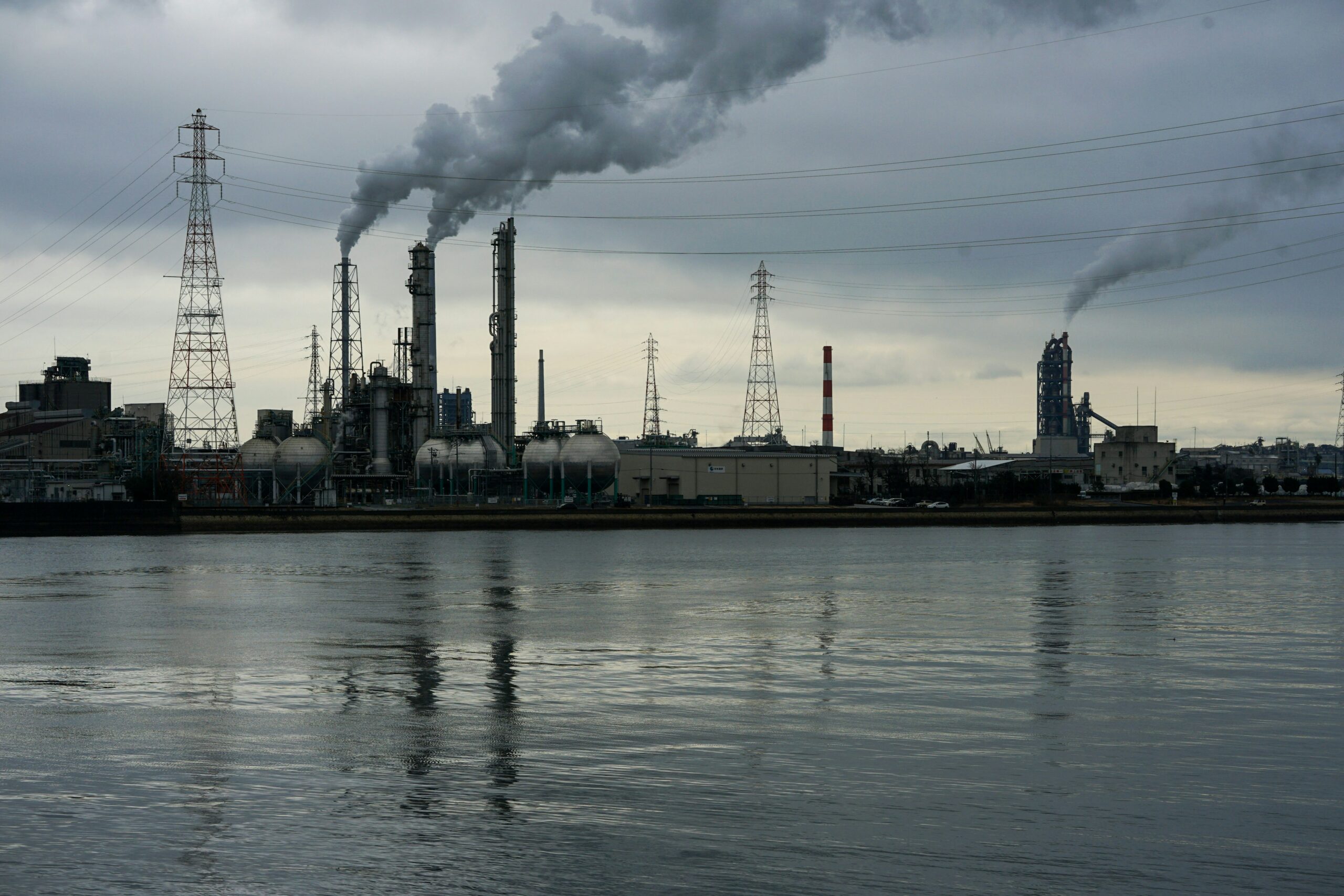
The Biden administration has announced an immediate and sweeping moratorium on approvals for new licenses to export liquefied natural gas (LNG) from the United States. This pause primarily targets proposed expansion projects, including the massive Calcasieu Pass 2 (CP2) facility in Louisiana, pending a detailed review of the environmental and economic impacts of LNG exports.
The decision, made public on Friday, marks a significant victory for climate advocates who have long argued that unchecked fossil fuel infrastructure undermines global warming targets and disproportionately impacts local communities. The White House stated the comprehensive review will analyze the current market demand, the impact of these exports on domestic energy prices for American consumers, and the greenhouse gas emissions associated with the entire LNG lifecycle—from drilling to liquefaction and shipping. This review process is expected to take several months, effectively freezing key export projects currently seeking final approval.
Climate Concerns Drive Policy Shift
The volume of US natural gas exports has dramatically increased over the past decade, transforming the nation into the world’s largest LNG supplier. Much of this gas is piped, super-chilled, and shipped overseas, primarily replacing Russian supplies in Europe following the invasion of Ukraine.
However, environmental organizations and concerned lawmakers contend that expanding export capacity locks the planet into decades of dependence on methane, a potent greenhouse gas. Critics argue that while gas burns cleaner than coal, leaks of uncombusted methane during the extraction and transport phases negate much of its climate benefit.
“We must scrutinize whether these rapidly expanding export facilities serve the best long-term interests of the American public—especially concerning climate security and energy affordability,” stated a senior administration official during a briefing, emphasizing the need for robust data before proceeding with potentially irreversible infrastructure investments.
Economic Fallout and Industry Reaction
The LNG industry and Republican lawmakers swiftly condemned the pause, characterizing it as a direct obstacle to energy independence and job creation. Industry trade groups argue that halting projects sends a destabilizing signal to global energy markets and undermines the reliability of the US as an energy trading partner.
Key proponents of LNG infrastructure warn that freezing approvals could lead to higher energy prices, both domestically and for allies reliant on American gas. They stress that CP2 and similar projects represent billions in private investment and thousands of construction jobs.
Analysts suggest the impact on immediate energy supply will be limited, as approved projects are already operating or under construction. The moratorium focuses specifically on future capacity expansion. If the review confirms the substantial and negative environmental and economic impacts, it could fundamentally alter the trajectory of the booming US fossil fuel export industry.
What the Review Will Examine
The comprehensive review promises to look at several metrics crucial for policymaking:
- Social Cost of Carbon: A re-evaluation of how much climate damage is caused by the lifetime emissions of these facilities.
- Domestic Price Stability: Analyzing the correlation between massive exports and fluctuations in US consumer gas and electricity bills.
- Environmental Justice: Assessing the localized air and water quality impacts on communities adjacent to export terminals, many of which are situated in vulnerable coastal areas.
This policy shift aligns with President Biden’s broader commitment to prioritize climate action, placing a spotlight on the inherent tension between supporting international energy security and achieving crucial domestic emission reduction targets. The results of the upcoming review will determine if the US pivots toward a more constrained model for fossil fuel exports in the transition to renewable energy.