The world’s top humanitarian agencies are grappling with unprecedented demand, delivering critical assistance to hundreds of millions worldwide as conflict, climate change, and economic instability drive need to historic levels.
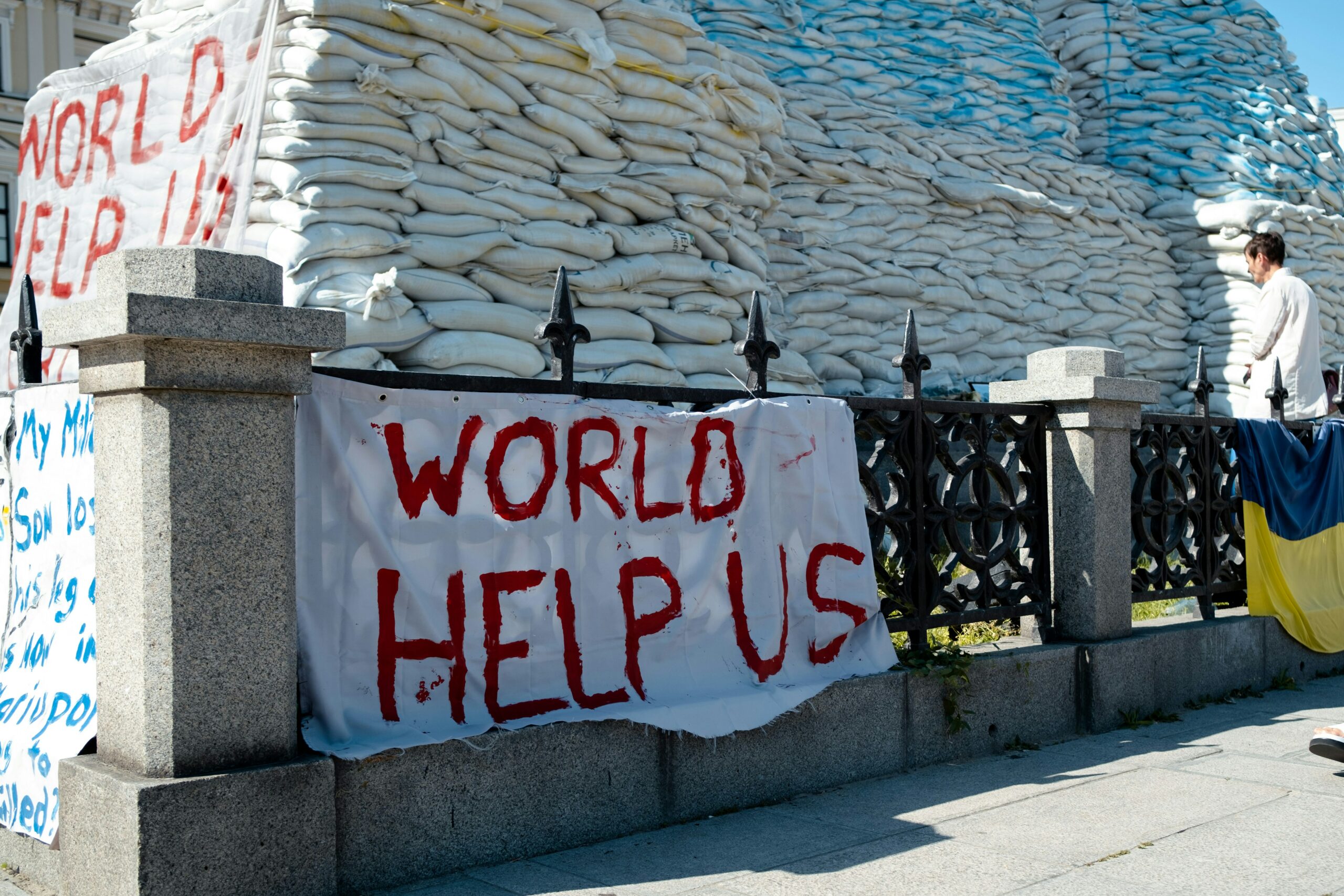
International aid organizations, including various United Nations agencies and major non-governmental organizations, reported substantial scaling up of operations over the past year in response to a confluence of major global crises. From active conflict zones in the Middle East and Eastern Europe to regions decimated by protracted droughts in East Africa, the scope and complexity of humanitarian challenges have never been greater, straining funding and logistical networks worldwide.
Understanding the Escalating Need
Recent data underscores the dramatic rise in the number of people requiring life-saving aid. A significant portion of this spike is attributed to major conflicts that have displaced tens of millions internally and across borders. Beyond warfare, the worsening effects of the climate crisis are increasingly acting as a “threat multiplier,” according to humanitarian analysts. Extreme weather events—floods, heatwaves, and prolonged droughts—are eroding livelihoods, driving food insecurity, and escalating competition for scarce resources in vulnerable regions.
Furthermore, post-pandemic economic volatility, marked by high inflation and rising commodity prices, has pushed millions more into extreme poverty, crippling the ability of struggling nations to provide basic social safety nets.
Organizations are pivoting their strategies to provide a more holistic response, moving beyond emergency provision to incorporate resilience-building efforts. This includes supplying emergency food parcels, providing shelter and medical care, and supporting displaced children with essential educational services.
Logistical Challenges and Funding Gaps
Delivering aid in volatile environments presents immense logistical difficulties. Aid convoys face numerous obstacles, including security risks, bureaucratic delays at borders, and compromised infrastructure. Humanitarian access—ensuring aid workers can safely reach those in need—remains a persistent and sometimes fatal challenge.
Funding remains a critical bottleneck. While donor nations and private citizens have shown remarkable generosity, the sheer scale of global need has created significant funding gaps across almost all major appeals. Experts warn that without adequate and predictable funding, agencies are often forced to make difficult trade-offs, cutting critical programs that sustain vulnerable populations through lean periods.
“We are constantly playing catch-up,” noted one senior official from a leading international relief organization. “The current funding model is reactive. To truly address these crises, we need sustained commitments that allow for long-term planning and community-led recovery efforts, not just short-term fixes.”
Adapting to Future Crises
In response to the growing complexity, the aid sector is investing heavily in technology and localized solutions. Utilizing data analytics and satellite imagery allows aid groups to better map vulnerabilities and pre-position supplies before disasters strike. There is also a concerted push to empower local community organizations, ensuring aid delivery is culturally relevant and sustainable, rather than relying solely on international personnel.
The immediate imperative for international bodies is to sustain current aid pipelines while advocating for greater political efforts to resolve underlying conflicts. Looking ahead, addressing the twin issues of climate change adaptation and long-term economic stability in the Global South will be crucial to reducing the number of people dependent on emergency relief well into the future. Public support, both through donations and advocacy, remains essential to bridge the gap between global necessity and global response.