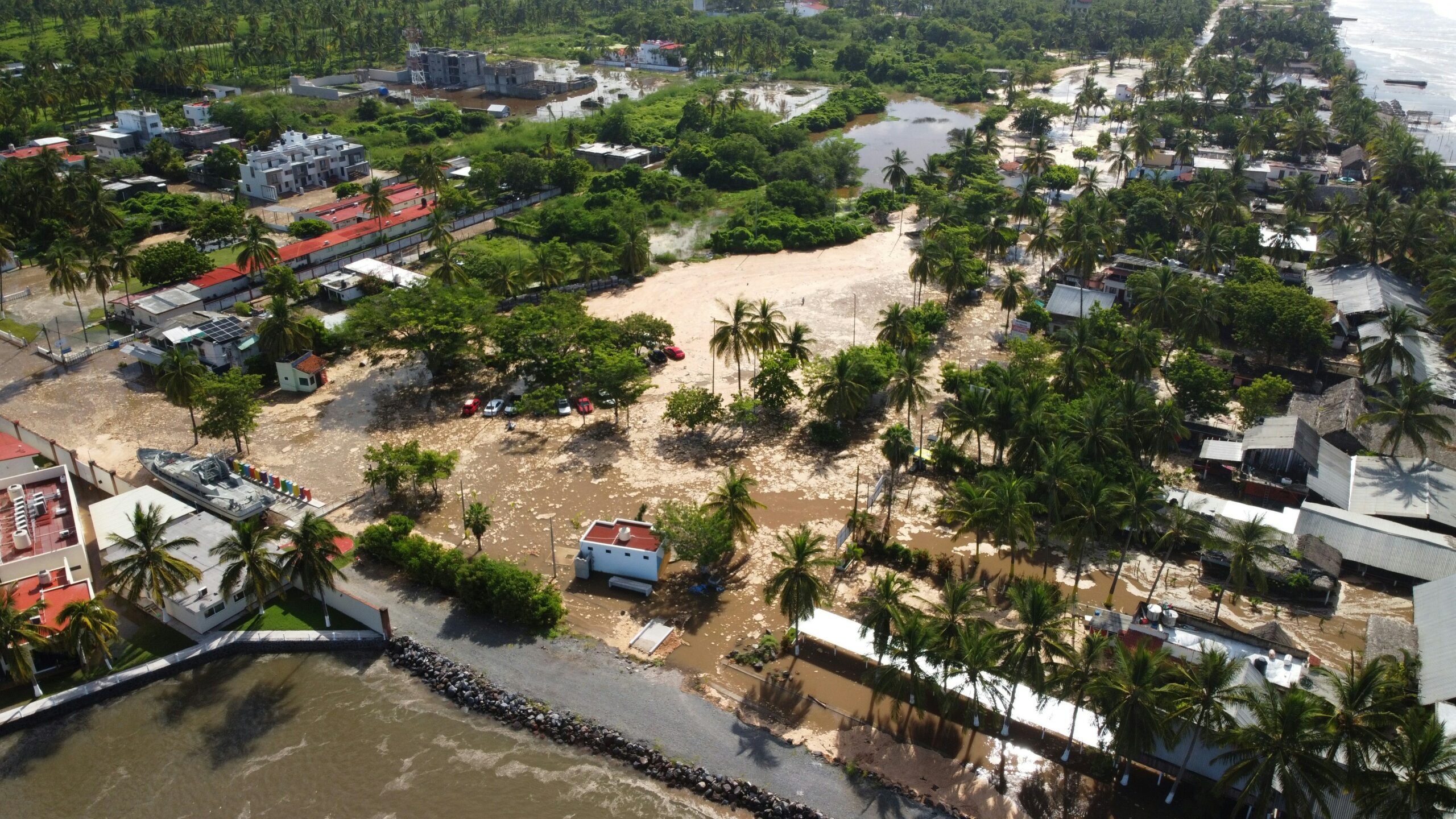
The world’s largest coastal metropolises are quickly succumbing to the combined pressures of accelerating sea level increase and rampant urban subsidence, creating an imminent crisis for hundreds of millions of residents and trillions of dollars in infrastructure. Recent satellite data analyses and geological surveys confirm that the rate at which saltwater inundation threatens cities like Miami, Jakarta, and Shanghai is outpacing previous scientific projections, necessitating immediate, large-scale defensive investments and strategic retreat planning from vulnerable low-lying areas.
Tides of Change: Why Coastal Risk Is Intensifying
The threat to coastal cities is not purely driven by global climate breakdown, but is amplified significantly by local factors. While the thermal expansion of ocean water and the melting of polar ice sheets drive global sea levels up—a process now clearly accelerating—many heavily populated coastal zones are simultaneously sinking. This phenomenon, known as subsidence, is often caused by the excessive extraction of groundwater for sprawling urban populations and infrastructure development that compacts underlying sediment.
In certain high-risk areas—like parts of Southeast Asia—cities are sinking several times faster than the ocean is rising globally. For instance, cities are experiencing what scientists term “relative sea level rise,” where the effective increase in water height against the land is magnified substantially by the land’s descent. This duality transforms what might be a manageable global climate issue into an existential, immediate local emergency.
Experts warn that delayed action on both mitigating greenhouse gas emissions and managing local land use will exponentially increase future financial burdens. Dr. Eleanor Vance, an environmental policy analyst focusing on urban resiliency, noted that “The financial calculus is stark: spend billions now on sophisticated defenses and adaptation, or face trilllions in economic destruction and mass displacement within the next three decades.”
Compounding Risks and Economic Fallout
The consequences extend beyond physical flooding. Saltwater intrusion critically damages freshwater aquifers, threatening drinking supplies for vast urban populations. Furthermore, the intermittent—and soon to be permanent—inundation of ports, power plants, hospitals, and transportation networks threatens economic stability, disrupting global supply chains and rendering significant assets obsolete.
A recent report by the UN Habitat programme highlighted that approximately 800 million people worldwide live in low-elevation coastal zones, many of whom are concentrated in highly susceptible megacities across Asia and North America. The most vulnerable communities are typically the poorest, lacking the resources to relocate or elevate their homes, thus transforming climate vulnerability into a significant humanitarian crisis.
Pathways to Resilience: Adaptation Measures
The consensus among urban planners and climatologists is that cities cannot solely rely on reducing global emissions; adaptation must occur now. Strategies vary widely based on geological conditions and available resources:
- Hard Defences: Building massive sea walls, flood barriers (like the Thames Barrier in London or planned structures in New York City), and tidal gates.
- Soft Adaptation: Restoring natural coastal ecosystems, such as mangrove forests and salt marshes, which naturally absorb storm surges and trap sediment, effectively elevating land.
- Managed Retreat: The contentious but increasingly necessary process of strategically relocating communities and essential infrastructure from the most vulnerable shorelines to higher ground.
- Sustainable Water Management: Implementing strict controls on groundwater pumping to slow or halt urban subsidence.
The coming decades will test the governance and engineering ingenuity of coastal nations. Successfully navigating this crisis will require unprecedented cooperation between national governments, municipal authorities, and international financing bodies to implement integrated strategies that protect both economic vitality and human security against the encroaching tides. The window for proactive intervention is narrowing rapidly.