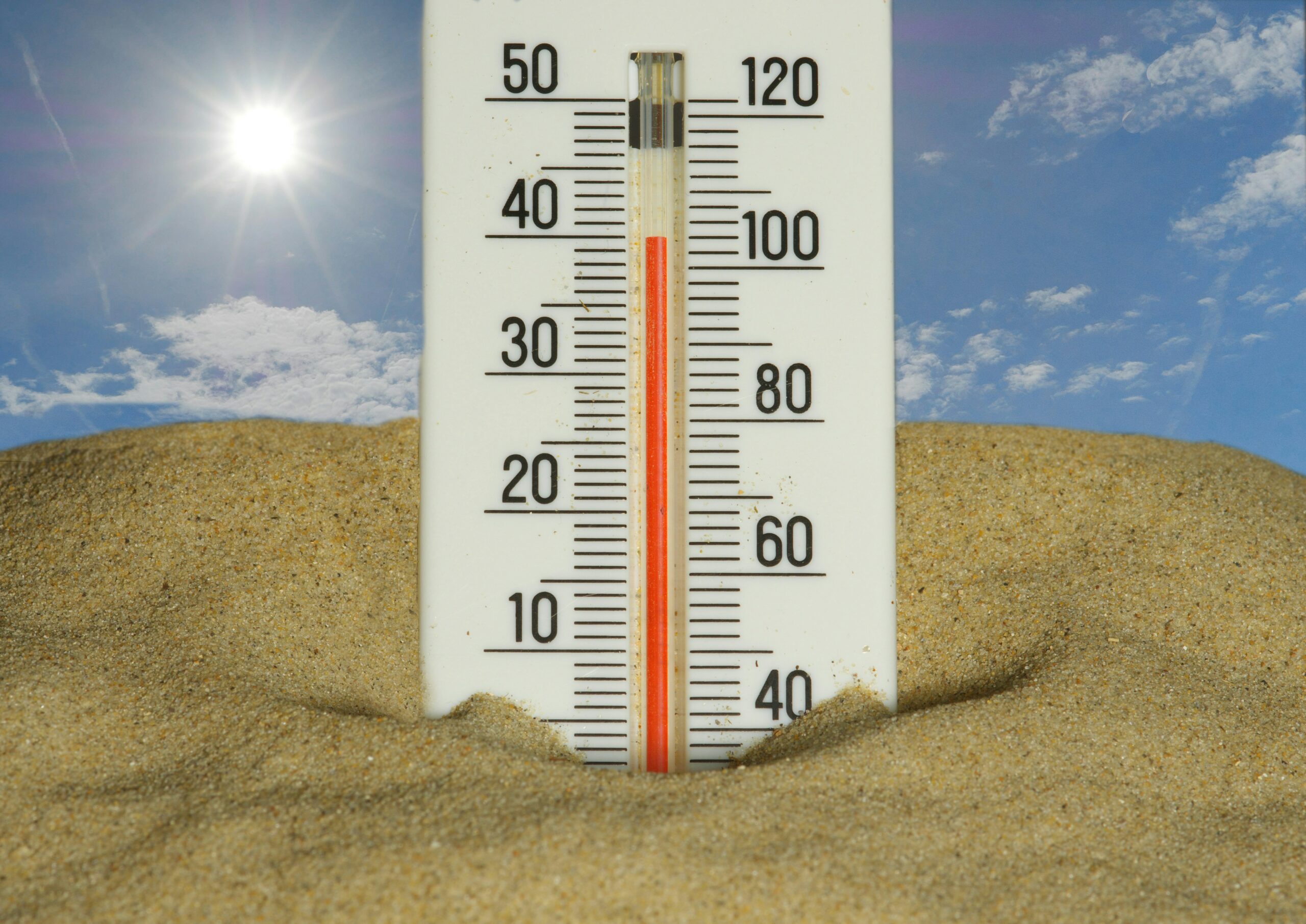
The planet registered unprecedented temperature benchmarks this month, with both land and ocean surfaces documenting exceptional warmth, solidifying what climatologists fear is a accelerating trend toward global heating and underscoring the immediate need for concerted climate mitigation strategies worldwide. Data released by leading international meteorological services indicates that June 2024 has become the warmest June on record globally, eclipsing the previous benchmark set just last year and fueling concerns about cascading environmental and socioeconomic impacts.
Mounting Evidence of Extreme Heat
Temperature anomalies are becoming the norm, according to reports from Copernicus, the European Union’s Earth observation program, and NOAA, the US National Oceanic and Atmospheric Administration. The combined average air and sea-surface temperature surged to levels never before observed during the modern instrumental record, which dates back to the mid-19th century. Surface temperatures, particularly across vast swathes of the North Atlantic and parts of the Southern Hemisphere, exhibited persistent and dramatic deviations above the long-term averages.
This sustained elevation of global warmth is closely tied to the cumulative effects of greenhouse gas emissions, though natural variability, such as the lingering influence of El Niño, may also contribute to the short-term spikes. Nevertheless, experts emphasize that the bedrock driver of this extreme trend is human activity.
Dr. Elena Rossi, a climate modelling specialist at the University of London, noted the gravity of the indicators. “We are seeing not just sequential records being broken, but the magnitude of the anomalies is deeply troubling,” she stated. “These aren’t just minor fluctuations; they represent a significant step change in global climate dynamics, affecting everything from food security to public health.”
Widespread Impacts Across Continents
The repercussions of this intense warmth are already discernible across multiple regions. In Asia, searing heatwaves have strained power grids and led to fatalities among vulnerable populations. Coastal ecosystems are showing signs of stress, with episodes of coral bleaching accelerating in unusually warm ocean waters. Meanwhile, extreme weather phenomena—including intensified storms and prolonged drought periods—are being observed in conjunction with these temperature surges, further disrupting agriculture and water supplies.
The sustained marine heatwaves are particularly concerning. Oceans absorb over 90% of the excess heat trapped by greenhouse gases, buffering atmospheric warming. However, as ocean temperatures rise rapidly, their capacity to absorb carbon dioxide diminishes, potentially creating a feedback loop that accelerates atmospheric warming while simultaneously jeopardizing marine biodiversity.
The Urgent Call for Mitigation
These record-breaking temperatures serve as a stark reminder of the commitments outlined in the Paris Agreement, which aims to limit global warming to well below 2°C above pre-industrial levels, and preferably to 1.5°C. Current trajectories suggest this critical 1.5°C threshold is increasingly within imminent reach, demanding immediate and rigorous policy interventions.
Policymakers and industry leaders must accelerate the transition away from fossil fuels toward reliable, renewable energy sources. Furthermore, enhancing resilience measures is crucial for adapting to the inevitable impacts already locked into the climate system.
- Implement stronger heat action plans: Local governments must update infrastructure and emergency protocols to protect citizens from extreme heat events.
- Invest in green infrastructure: Developing sustainable urban planning that incorporates natural cooling solutions, such as expanded tree canopy coverage and green roofs.
- Decarbonise energy systems: Prioritise swift and substantial reductions in global greenhouse gas emissions across all sectors.
As the planet continues to warm, the necessity of decisive, co-ordinated global action moves from a scientific projection to an undeniable reality for governments and communities worldwide. Failure to respond forcefully to these new climate records risks compounding the environmental damage for future generations.