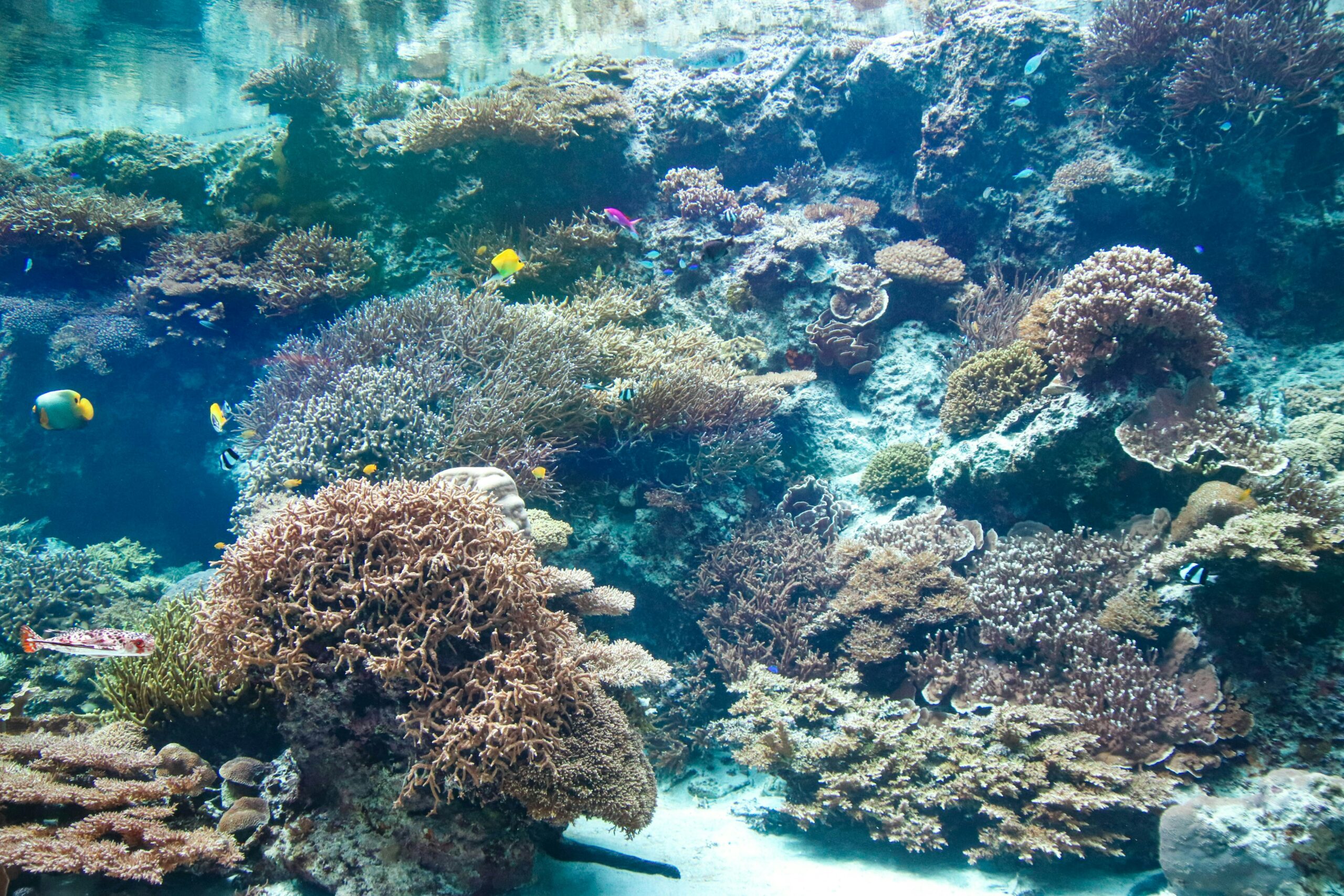
The world’s ocean temperatures have reached unprecedented and alarming new highs this month, triggering serious concerns among scientists about the pace of climate change and the immediate threat posed to vital marine life globally. Since the start of the current summer season, multiple monitoring agencies have confirmed that average sea surface temperatures are not just breaking historical records but are significantly surpassing previous peaks, signalling a profound shift in global climate dynamics driven primarily by anthropogenic emissions and the onset of natural warming cycles.
Persistent Warming Alarms Climate Scientists
Data compiled by agencies such as the U.S. National Oceanic and Atmospheric Administration (NOAA) and the Copernicus Climate Change Service confirm that the sustained warming trend is not localised but manifests across vast swaths of the tropical, temperate, and even some polar regions. The current spike is attributed to a confluence of factors: the long-term, human-induced buildup of greenhouse gases trapping heat in the Earth system, coupled with the emerging influence of the El Niño weather pattern, which naturally redistributes warm water across the Pacific and contributes to elevated global air and sea temperatures.
Scientists emphasise that the ocean acts as the Earth’s primary heat sink, absorbing over 90% of the excess heat generated by global warming. While this has historically regulated terrestrial temperatures, the capacity of the oceans to continue absorbing this energy without ecological consequence is now being severely tested.
Dr. Eleanor Vance, an oceanographer studying thermal dynamics at the Scripps Institution of Oceanography, commented: “We are observing a fundamental acceleration. It’s not just a slow, decades-long curve; it’s a dramatic spike. The energy residing in the upper layers of the ocean is enormous, and this directly feeds into extreme weather and marine mortality events.”
Ecological Domino Effects Emerge
The primary casualty of this intense thermal stress is marine biodiversity. Elevated temperatures drastically reduce the dissolved oxygen concentration in the water, creating deadly hypoxic zones (dead zones) where most complex life cannot survive. Furthermore, the heat is already instigating mass coral bleaching events across sensitive reef systems, particularly the Caribbean, the Great Barrier Reef, and large sections of the Indo-Pacific.
Coral reefs, often termed the rainforests of the sea, support a quarter of all marine species. When water temperatures remain too high for sustained periods, corals expel the symbiotic algae (zooxanthellae) living in their tissues, turning completely white and starving. If the water does not cool rapidly, the corals die.
Beyond corals, the warmth is disrupting fisheries. Warming oceans are forcing commercially important species like cod, tuna, and various squid species to migrate toward cooler poles, complexifying fishing management and disrupting coastal economies that depend on predictable catches.
Managing the Crisis and Immediate Future
The record temperatures pose significant risks to coastal communities globally, feeding into the intensity of tropical storms and hurricanes. Warmer surface waters provide the necessary fuel for these storms to rapidly intensify, leading to stronger winds and heavier rainfall upon landfall.
The immediate outlook remains concerning as the planet fully enters the heating phase of El Niño, which is expected to peak late this year. Experts warn that the sustained high temperatures will continue to exacerbate existing weather and ecosystem crises well into 2024.
Addressing this global crisis demands sustained, systemic action beyond regional adaptation strategies. The scientific community is unanimous: the only viable long-term solution is the rapid and steep reduction of fossil fuel emissions globally.
In the meantime, local conservation efforts are focusing on safeguarding key marine habitats, including:
- Establishing and enforcing Marine Protected Areas to provide vital refuges for vulnerable species.
- Investing in heat-resistant coral research and restoration projects.
- Implementing strict regulations on coastal pollutant runoff, which compounds thermal stress on ecosystems.
The current record-breaking heat serves as a stark metric of the climate emergency, underscoring the urgency for global policymakers to accelerate the transition to sustainable energy systems to mitigate further catastrophic warming of the world’s oceans.