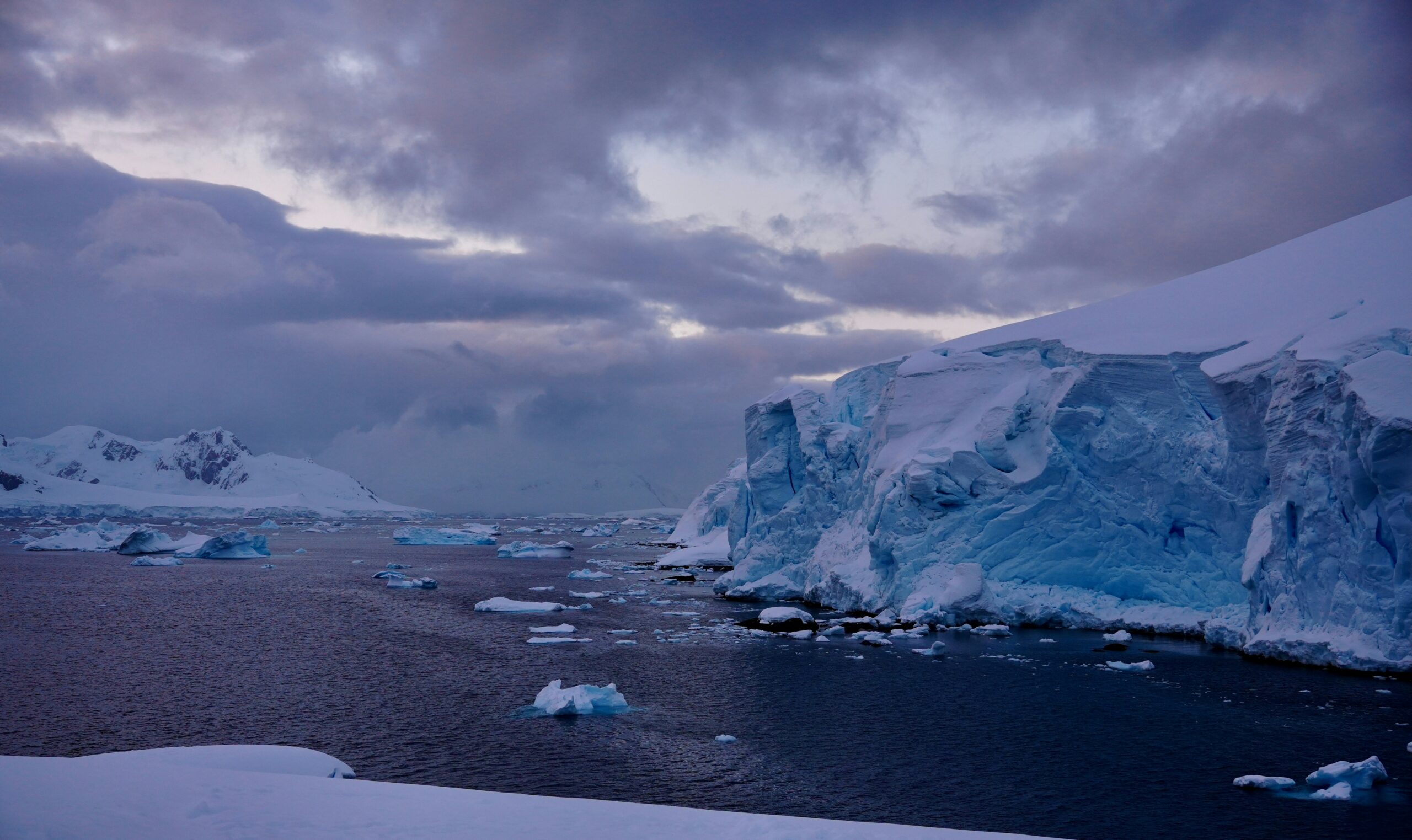
The fragile, dark deep-sea ecosystems surrounding Antarctica are facing unprecedented peril as human-driven climate change rapidly warms the planet, severely threatening biodiversity and the intricate food webs critical to the region’s health. Scientists warn that rising ocean temperatures, compounded by increasing levels of ocean acidification from absorbed atmospheric carbon dioxide, could irreversibly damage these unique communities, which largely rely on seasonal processes linked to the freezing and thawing of sea ice.
Warming Ocean Temperatures Disrupt Antarctic Life
New research highlights that Antarctica’s deep-sea life—organisms living in perpetual darkness beneath the ice shelves and on the seafloor—evolved in extremely stable, low-temperature conditions. This specialised environment, characterised by near-freezing water, means that many species have narrow thermal tolerance ranges. Even small rises in temperature pose an existential threat.
The meltwater runoff from increasingly unstable ice shelves introduces significant, yet poorly understood changes to the ocean chemistry and circulation patterns near the seabed. This meltwater often carries nutrients and sediment, potentially suffocating filter feeders or altering the availability of food sources for organisms that depend on the biological ‘rain’ sinking from the surface.
Climate change impacts are twofold: warming water directly stresses cold-adapted species, while the accompanying ocean acidification compromises the ability of calcifying organisms—such as corals, molluscs, and some plankton—to build and maintain their protective shells and skeletal structures.
The Critical Role of Sea Ice
The annual cycle of sea ice formation and decay is fundamental to the Antarctic deep-sea environment. When sea ice forms, a process called brine rejection occurs, where salt is extruded into the remaining water, creating dense, highly oxygenated, cold water plumes that sink to the seabed. This process ventilates the deep ocean, supplying oxygen vital for benthic organisms.
However, the increasing variability and overall decline in Antarctic sea ice diminish this deep ocean ventilation mechanism. Scientists fear that reduced sea ice formation will lead to less oxygen in the deeper water layers, potentially creating dead zones where life cannot be sustained.
Furthermore, the seasonal sea ice breakup fuels the surface productivity by releasing key nutrients and creating feeding opportunities. Changes to the timing and extent of this breakup affect the quantity of marine snow—the sinking detritus that is the primary food source for deep-sea inhabitants. A mismatch in timing between food availability and the reproductive cycles of deep-sea invertebrates could severely disrupt populations.
Protecting the Southern Ocean’s Future
The implications extend far beyond the Antarctic continental shelf. The Southern Ocean acts as a critical global component, driving deep-sea circulation worldwide and absorbing significant amounts of global heat and carbon. Scientists emphasize that effective conservation strategies for this region must be coupled with global action to drastically cut greenhouse gas emissions.
International cooperation, through bodies like the Commission for the Conservation of Antarctic Marine Living Resources (CCAMLR), is crucial for establishing Marine Protected Areas (MPAs). These protected zones can provide refugia for species, allowing them better chances of resilience against rising temperatures and acidification. Urgent monitoring is also necessary to track the speed and severity of these deep-sea changes. Without immediate, concerted global efforts to stabilise the climate, the unique ecosystems beneath the Antarctic ice face a cascading collapse.