BONN, GERMANY — A coalition of developed nations and philanthropic organizations has unveiled a significant new financial mechanism aimed at curbing greenhouse gas emissions generated by forest destruction in developing countries. Officially launched at the Bonn Climate Change Conference, the Forest and Climate Leaders Partnership (FCLP) revealed the creation of the Forest Finance Dialogue (FFD), a fund designed to rapidly scale up investments supporting nature-based climate solutions that protect the world’s vital rainforests and biodiverse ecosystems. This initiative addresses the urgent need to close the current funding gap required to meet global targets for halting deforestation by 2030, a goal reaffirmed by over 145 countries at COP26.
Bridging the Forest Finance Gap
The challenge of deforestation-related emissions remains immense. According to recent U.N. figures, forest loss contributes approximately 10% of total global carbon emissions, nearly equivalent to the entire European Union’s annual output. While multilateral banks and existing programs, such as the UN-REDD Programme, provide foundational support, analysts estimate that tens of billions of dollars annually are required to fully incentivize forest-rich nations to transition away from deforestation-driven economic activities.
The FCLP, co-chaired by the United States and Ghana, is positioning the Forest Finance Dialogue not as a replacement, but as an accelerator. It seeks to mobilize commitments from both public and private sectors, emphasizing results-based payments—a model where funds are disbursed only after verified reductions in forest loss have been achieved.
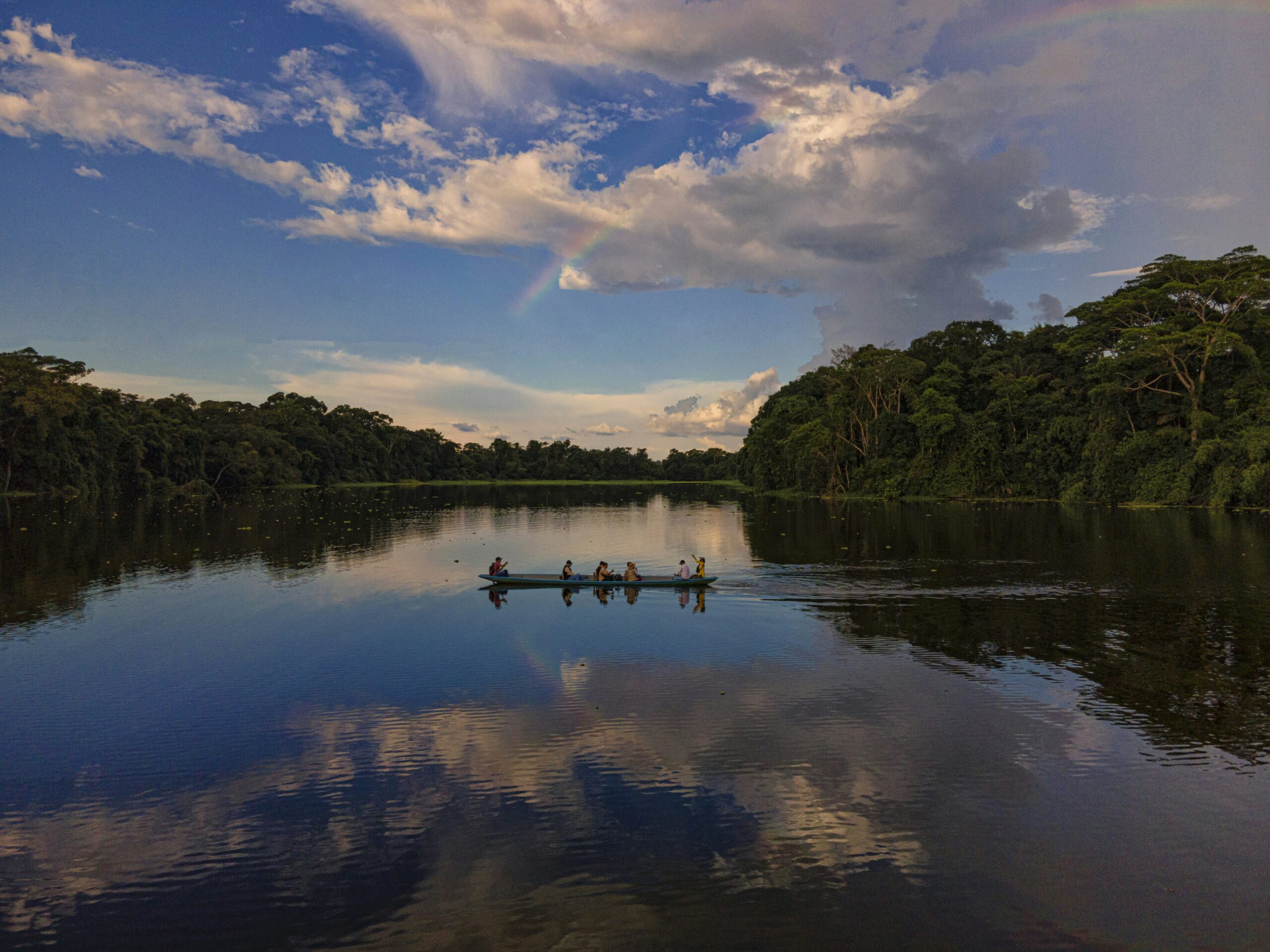
“Slowing deforestation requires more than just goodwill; it demands sustained, predictable financial flows that reward tangible results,” stated Climate Envoy [Hypothetical Name: Dr. Elena Ramirez], speaking at the launch. “The Dialogue will function as a high-level forum, ensuring governments and private investors align their respective strategies to maximize impact in vulnerable regions, particularly the Amazon, Congo Basin, and Southeast Asia.”
Focus on Indigenous Partnerships and Transparency
Crucially, the FFD framework strongly advocates for increased consultation and direct funding for Indigenous Peoples and local communities (IPLCs). Studies have repeatedly shown that IPLCs are the most effective stewards of forest land, yet historically receive less than 1% of dedicated climate finance. The new mechanism aims to rectify this imbalance by streamlining processes and ensuring a larger proportion of funds reaches these essential frontline protectors.
The initiative also incorporates robust measures for financial transparency and accountability. Partner countries committing resources must adhere to common reporting standards, enabling donors to track the efficacy of their investments, including how funds correlate with land-use policies, sustainable agriculture practices, and forest governance reforms in recipient nations.
The Path to 2030 and Beyond
Success requires rapid mobilization. The initial phase of the Dialogue focuses on securing anchor commitments from major economies and coordinating with existing multilateral structures, such as the World Bank and the Global Environment Facility (GEF).
The broader implication is that effective climate action cannot rely solely on energy transition; protecting biological carbon sinks is equally vital. By treating forests as critical climate infrastructure, the FCLP hopes to shift how global finance views conservation—from a charitable endeavor to an indispensable investment in global stability.
The momentum generated by the fund’s launch serves as a pressure point ahead of the next major climate summit, COP29, pushing other nations and major corporations to elevate forest protection within their net-zero strategies. Experts agree that the next five years will be decisive in determining whether the world can successfully halt and reverse the loss of natural forests, underpinning the long-term viability of the Paris Agreement goals. Further details regarding the application process and initial funding eligibility criteria are expected to be released by the FCLP Secretariat later this autumn.