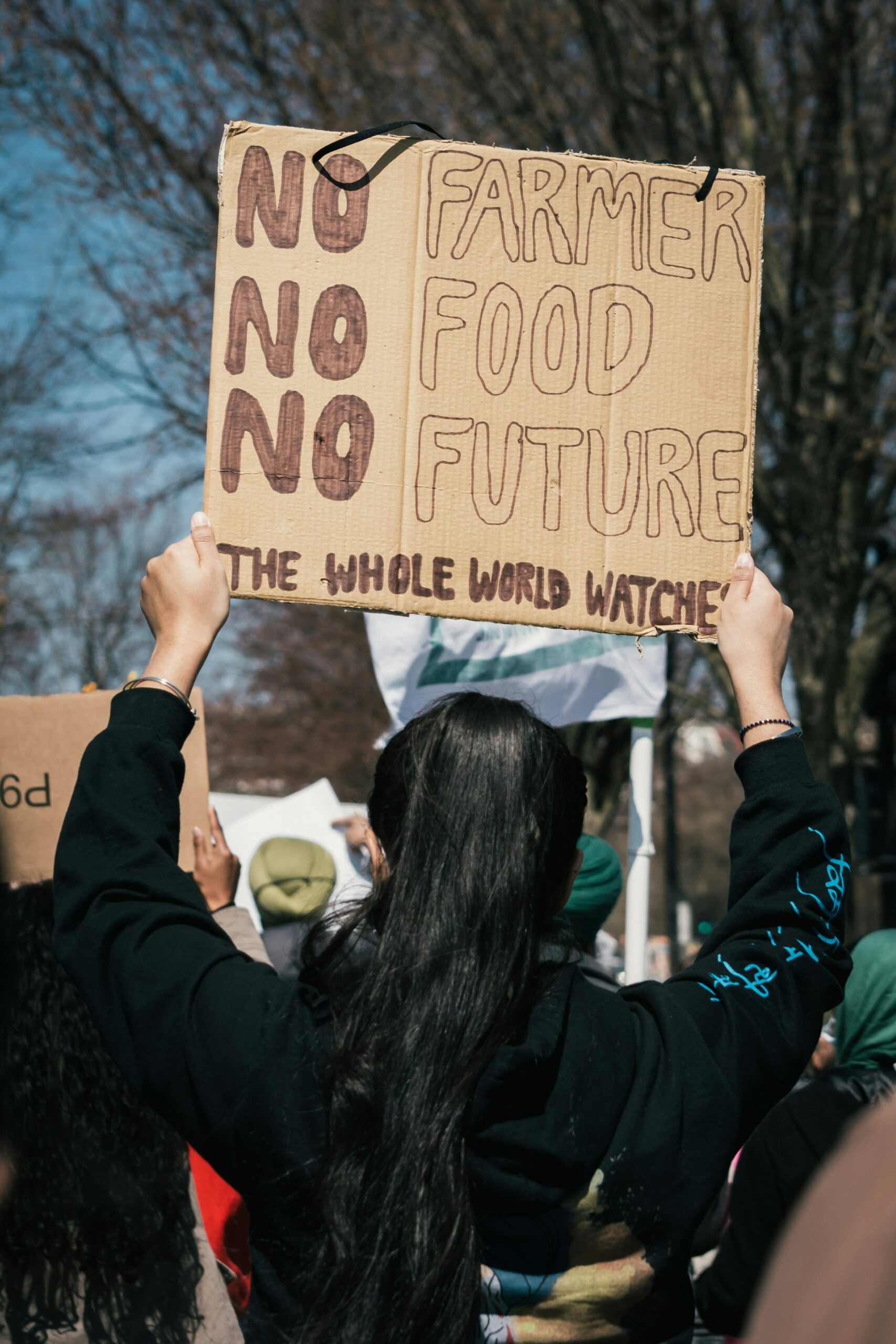
An urgent, large-scale international humanitarian operation is intensifying its efforts to stave off widespread famine and catastrophe across Sudan, as relentless internal conflict continues to destabilize the nation and render millions vulnerable to starvation. Relief organizations, including the United Nations and numerous non-governmental groups, are racing against both logistical hurdles and active fighting to deliver critical supplies—food, medicine, and clean water—to remote and cut-off populations, particularly in regions like Darfur and Khartoum, where supply lines have been severely hampered since the outbreak of hostilities in April 2023. The escalating danger of famine, compounded by mass displacement and the systematic destruction of agricultural capacity, now places Sudan on the brink of one of the worst hunger crises in recent history.
Conflict Exacerbates Severe Food Shortages
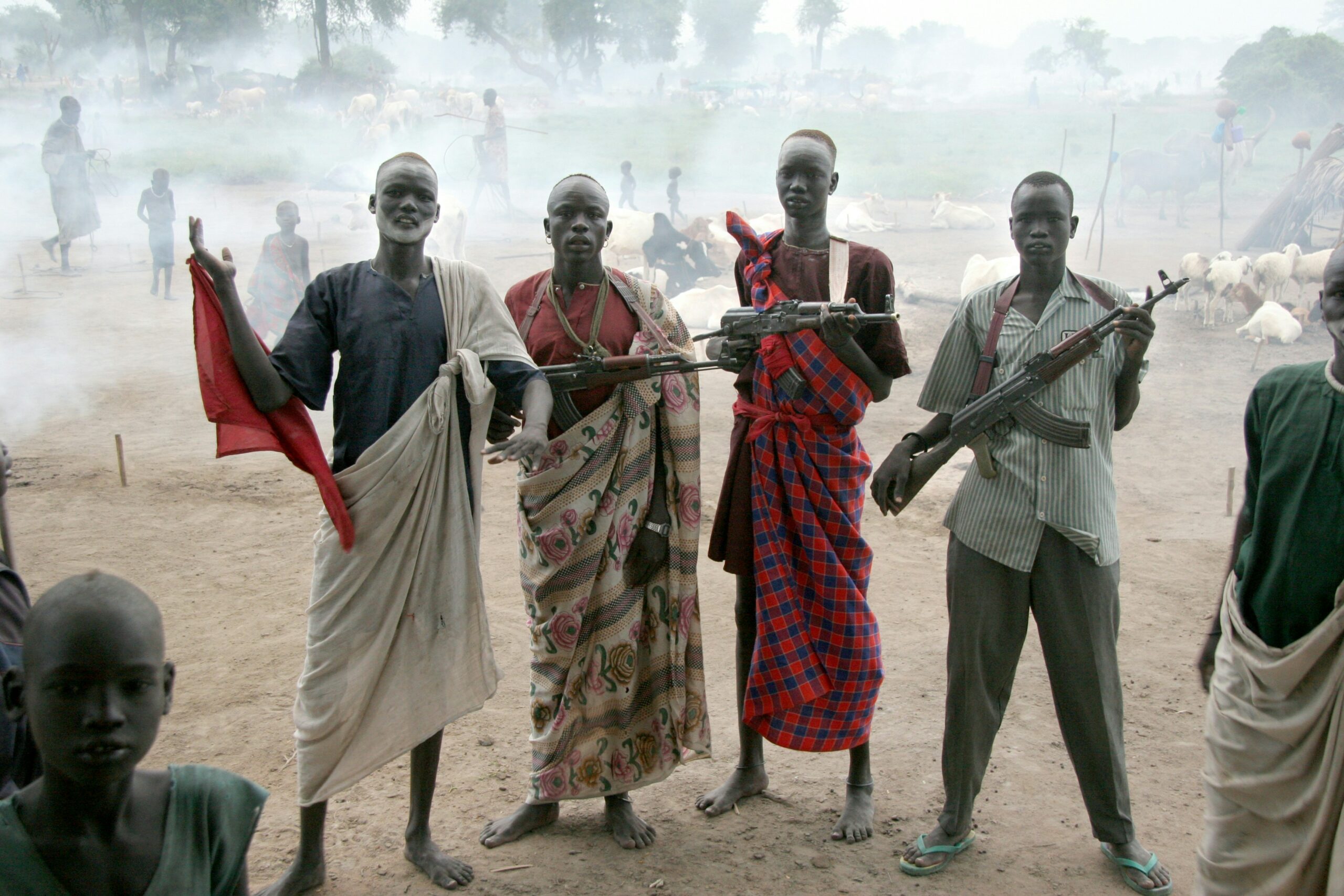
The primary driver of this escalating hunger crisis is the ongoing war between the Sudanese Armed Forces and the Rapid Support Forces, which has shattered governance, healthcare, and vital infrastructure. More than 18 million people, nearly 40% of the population, are currently facing acute levels of food insecurity, defined as IPC Phase 3 or higher.
Aid agencies report that operational challenges are immense. Bureaucratic delays, insecurity, and targeted attacks on supply convoys severely restrict access to internal displacement camps and besieged cities. In a statement released last week, the World Food Programme (WFP) highlighted the critical dependency on cross-border routes, noting that access negotiations often take weeks, while the needs of internally displaced people grow hourly.
Furthermore, the conflict has not only halted local food production but has also decimated market access. Farmers have been unable to plant or harvest, storing reserves are depleted due to looting, and basic commodity prices have soared, placing even essential items out of reach for struggling families. Humanitarian experts warn that without immediate, unfettered access and a sustained ceasefire, localized pockets of starvation carrying a heavy mortality toll are inevitable within the coming months.
The Public Health Dimension of Starvation
The crisis extends beyond mere nutrition. Undernourished populations are far more susceptible to infectious diseases. Sudan’s public health system, already fragile, has collapsed in many areas, with hospitals looted or shelled and medical personnel fleeing violence.
Dr. Aisha Khalil, a senior analyst specializing in conflict zones, emphasized the interconnected nature of the crisis. “Famine does not arrive alone; it brings an array of preventable diseases—cholera, measles, and debilitating diarrhoeal illnesses—that kill children already weakened by hunger,” she stated. “The international response must be comprehensive, integrating immediate therapeutic feeding with mass vaccinations and sanitation support.”
Urgent Need for Global Funding and Action
To effectively address the scale of the impending crisis, the international community has called for immediate, sustained funding. Although various initiatives have raised hundreds of millions of dollars, the funding gap remains significant relative to the escalating requirements.
Key Action Points for Support:
- Secure Humanitarian Corridors: Pressure on warring factions to guarantee safe passage for relief convoys is paramount.
- Scale Up Therapeutic Feeding: Targeted nutrition centres are urgently needed to treat severely malnourished children.
- Invest in Resilience: While immediate aid is critical, long-term support for agricultural recovery must be planned for when security permits.
The fate of millions hinges on immediate action and diplomatic success in forging a durable ceasefire. As the rainy season approaches, complicating logistical movements and increasing disease risk, the window for preventing catastrophe is rapidly narrowing, demanding an unprecedented coordination of global political will and humanitarian effort.