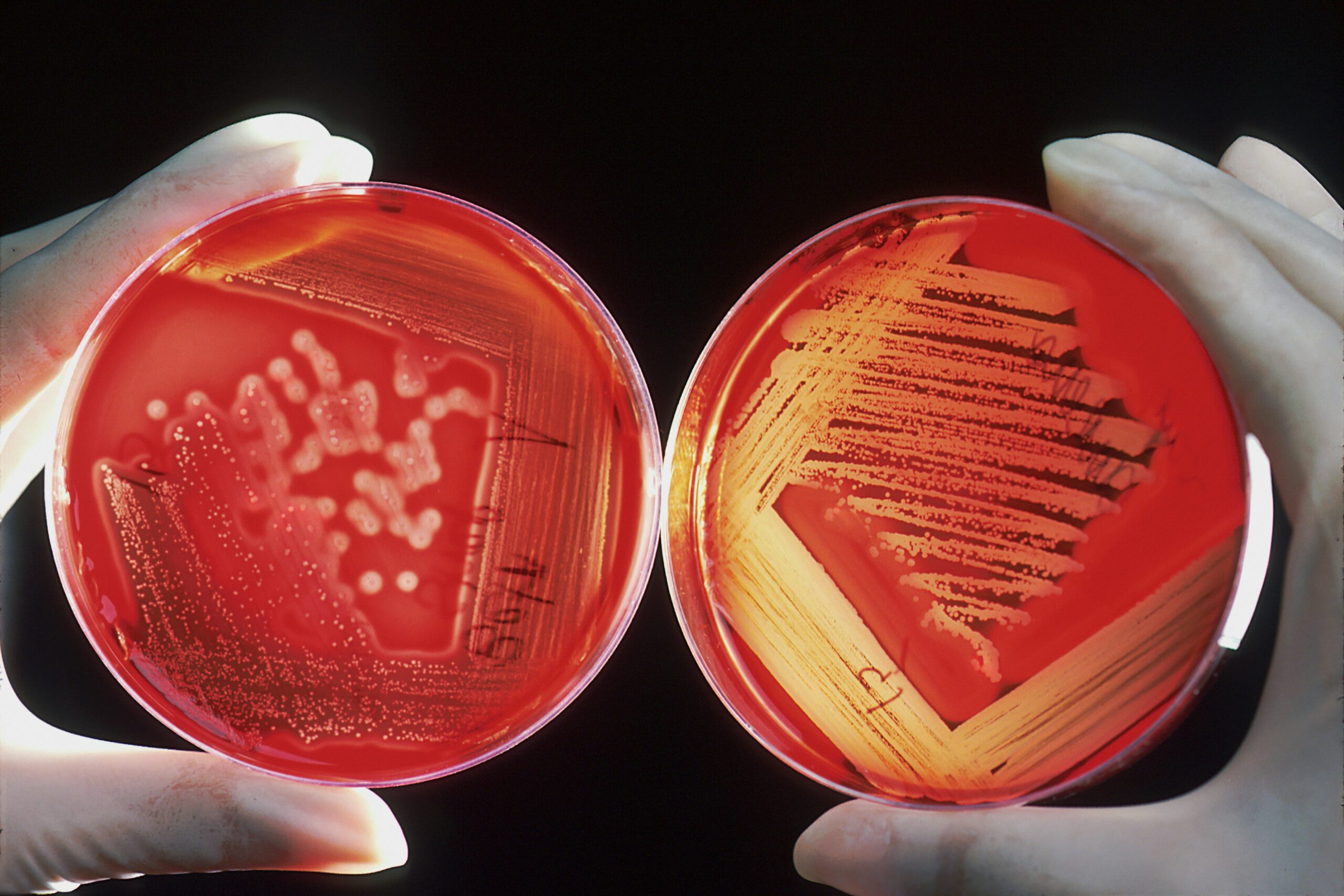
Scientists worldwide are uniting in an urgent bid to counteract the escalating crisis of antimicrobial resistance (AMR), which threatens to render modern medicine ineffective. This concerted global push, spearheaded by major international health bodies and research consortia, focuses on rapidly identifying and developing novel drugs and therapeutic strategies to combat increasingly resistant bacteria, fungi, and viruses. The collaborative effort spans continents, pooling resources, expertise, and genomic data to bypass traditional, often slow, drug discovery pipelines. This initiative comes as health experts warn that AMR could cause ten million deaths annually by 2050 if left unchecked, underscoring the immediate need for unified action.
The growing inability of frontline antibiotics to treat common infections is fundamentally challenging healthcare systems globally. Background data reveals that the misuse and overuse of existing antimicrobial agents in human health, agriculture, and animal husbandry have driven the relentless evolution of “superbugs.” Experts cite the need for immediate policy changes, surveillance enhancement, and, crucially, a revitalized research and development ecosystem.
Tackling the Innovation Gap
A significant hurdle in the fight against AMR has been the economic challenge associated with developing new antimicrobials. Unlike chronic disease drugs, antibiotics are often used for short courses, offering pharmaceutical companies a limited return on investment. The current global strategy seeks to overcome this market failure through mechanisms that incentivize innovation.
“We cannot rely on market forces alone to solve a problem that poses an existential threat to humanity,” stated Dr. Lena Harding, an infectious disease specialist involved in the initiative. “The new paradigm involves public-private partnerships, push and pull incentives—subsidizing early research and guaranteeing market access once a pipeline drug is approved—to ensure a sustainable stream of new treatments.”
One key focus area is the use of artificial intelligence (AI) to screen vast libraries of compounds for potential antimicrobial properties. Researchers are also exploring non-traditional methods, including harnessing bacteriophages (viruses that specifically target and kill bacteria) and developing entirely new classes of synthetic molecules designed to circumvent resistance mechanisms.
Strategic Pillars for Global Success
The coordinated response is built on three essential pillars designed to maximize impact and reach:
- Enhanced Global Surveillance: Standardizing data collection on drug resistance patterns across nations allows epidemiologists to track emerging threats in real-time and inform localized treatment guidelines.
- Accelerated R&D Pipeline: Creating flexible regulatory pathways and shared research platforms lowers barriers for entry for novel antimicrobial development. This includes prioritizing compounds effective against multidrug-resistant pathogens identified by the World Health Organization (WHO).
- Responsible Use and Stewardship: Implementing strict national policies on prescription practices in both human and animal medicine to preserve the efficacy of currently available drugs. Public education campaigns are vital in reducing inappropriate usage.
The convergence of global scientific expertise offers a glimmer of hope in this critical public health emergency. The stakes are immense; controlling AMR is not merely a matter of developing new medicines, but of preserving the foundation of modern medical practice, from complex surgeries to routine childbirth. Successful implementation of these coordinated strategies will ultimately determine the future resilience of global health. Further reading on national AMR action plans is widely available through WHO resources.