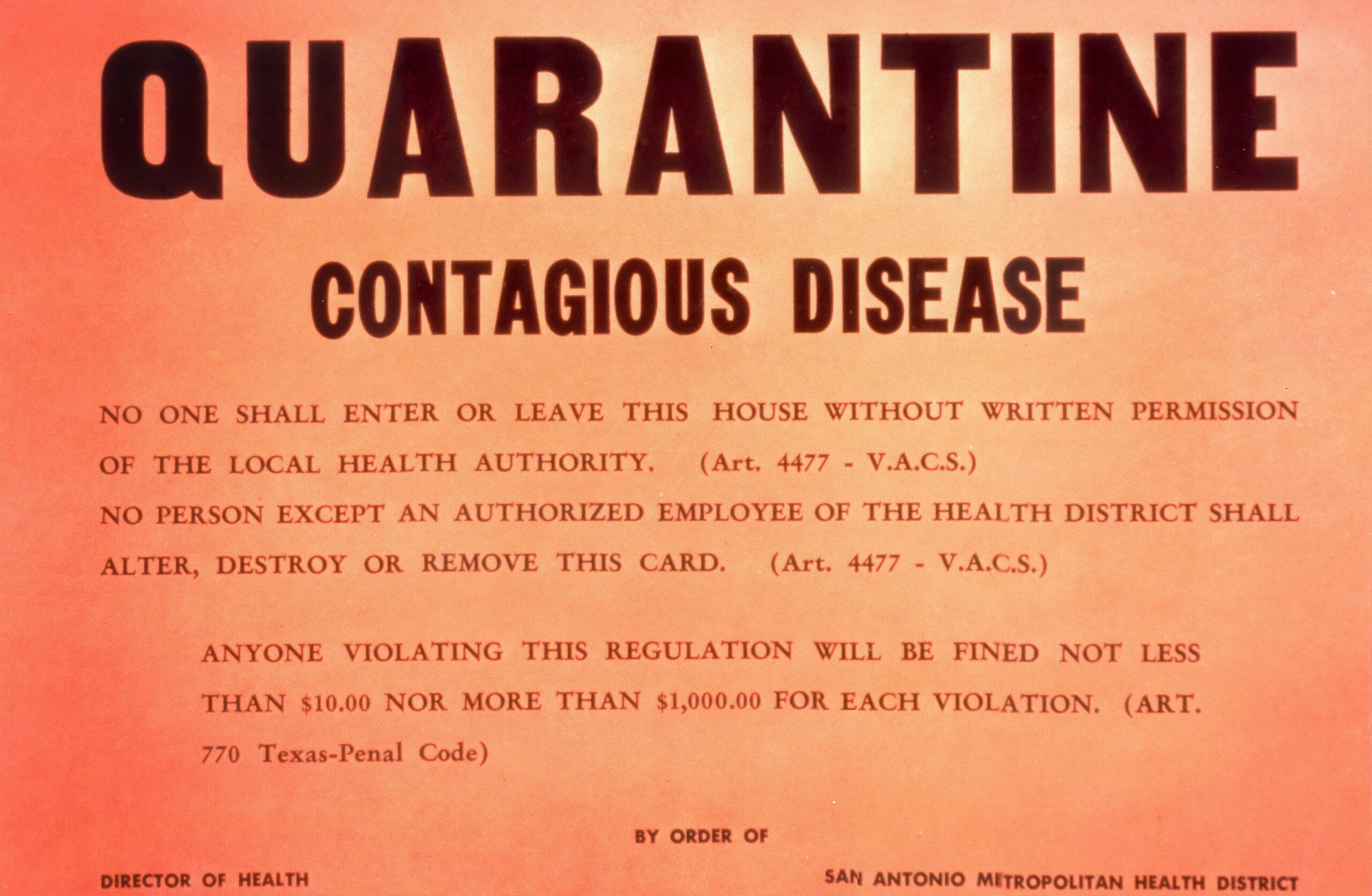
A recent major international conference has culminated in a unified call from leading public health and infectious disease experts for immediate, scaled-up investment in global surveillance and response capabilities, warning that the world remains acutely vulnerable to the rapid emergence and spread of new pathogens.
The consensus, reached at the Global Health Security Summit in Geneva, underscores a stark reality: despite lessons learned from recent pandemics, the infrastructure necessary to prevent a catastrophic global outbreak is dangerously lacking. Experts highlighted the confluence of factors—including rapid urbanisation, climate change, and increased animal-human contact—that are accelerating the rate at which novel infectious diseases jump to human populations.
Surveillance and the “One Health” Approach
A central theme of the summit was the necessity of robust, integrated disease detection systems. Dr. Anya Sharma, Director of the World Infectious Disease Institute, emphasised that early detection is the single most critical factor in mitigating exponential spread.
“We cannot fight what we cannot see,” Dr. Sharma told attendees. “The gap is not just in identifying a new virus—it’s in the speed of laboratory confirmation, the transparency of data sharing, and the capacity to deploy countermeasures within the crucial first few weeks.”
The experts advocated strongly for incorporating the “One Health” approach, which recognises that the health of humans, animals, and the environment are inextricably linked. This strategy requires collaboration across diverse sectors, including veterinary science, ecological monitoring, and human medicine, to track potential pathogens in their natural reservoirs before they spill over.
Bolstering Response Capabilities
While surveillance aims to sound the alarm, immediate response capabilities determine the outcome. The conference generated several concrete proposals aimed at strengthening the global response architecture. These include:
- Establishing regional rapid-response units (RRUs): These specialised, multidisciplinary teams would be permanently staffed and equipped to deploy within 72 hours of a confirmed outbreak threat, providing epidemiological support, contact tracing, and logistical aid.
- Developing flexible manufacturing networks: Current vaccine and therapeutic production relies too heavily on concentrated supply chains. Experts urged governments to fund decentralised, “warm-base” manufacturing capacity globally, allowing for the rapid scale-up of vaccine production tailored to emerging threats.
- Strengthening public trust and countering misinformation: Acknowledging that effective public health measures depend on community buy-in, delegates stressed the need for standardised, multilingual communication protocols focused on clarity and transparency to combat the rapid spread of dangerous health misinformation.
The Economic Cost of Inaction
The impetus for these urgent calls is the sheer economic and human devastation wrought by previous outbreaks. While the initial investment in strengthening global health security might seem substantial, analysis presented at the summit showed that the cost of prevention is orders of magnitude lower than the price paid for an uncontrolled pandemic.
Economists estimate that strengthening core health security capacities globally would cost approximately $10 to $12 billion per year—a fraction of the trillions lost during recent global health emergencies. Investment now, experts argue, is not merely altruistic; it is a vital form of self-insurance.
Attendees universally agreed that the fragmented, short-term funding cycles currently dominating global health security must be replaced by sustained, long-term financial commitments from high-income nations. Without this fundamental shift, the consensus warns, the world will remain trapped in a reactive cycle, perpetually preparing for yesterday’s crisis while vulnerable to tomorrow’s new threat. The next steps involve translating these unified declarations into concrete policy changes at national and international levels.