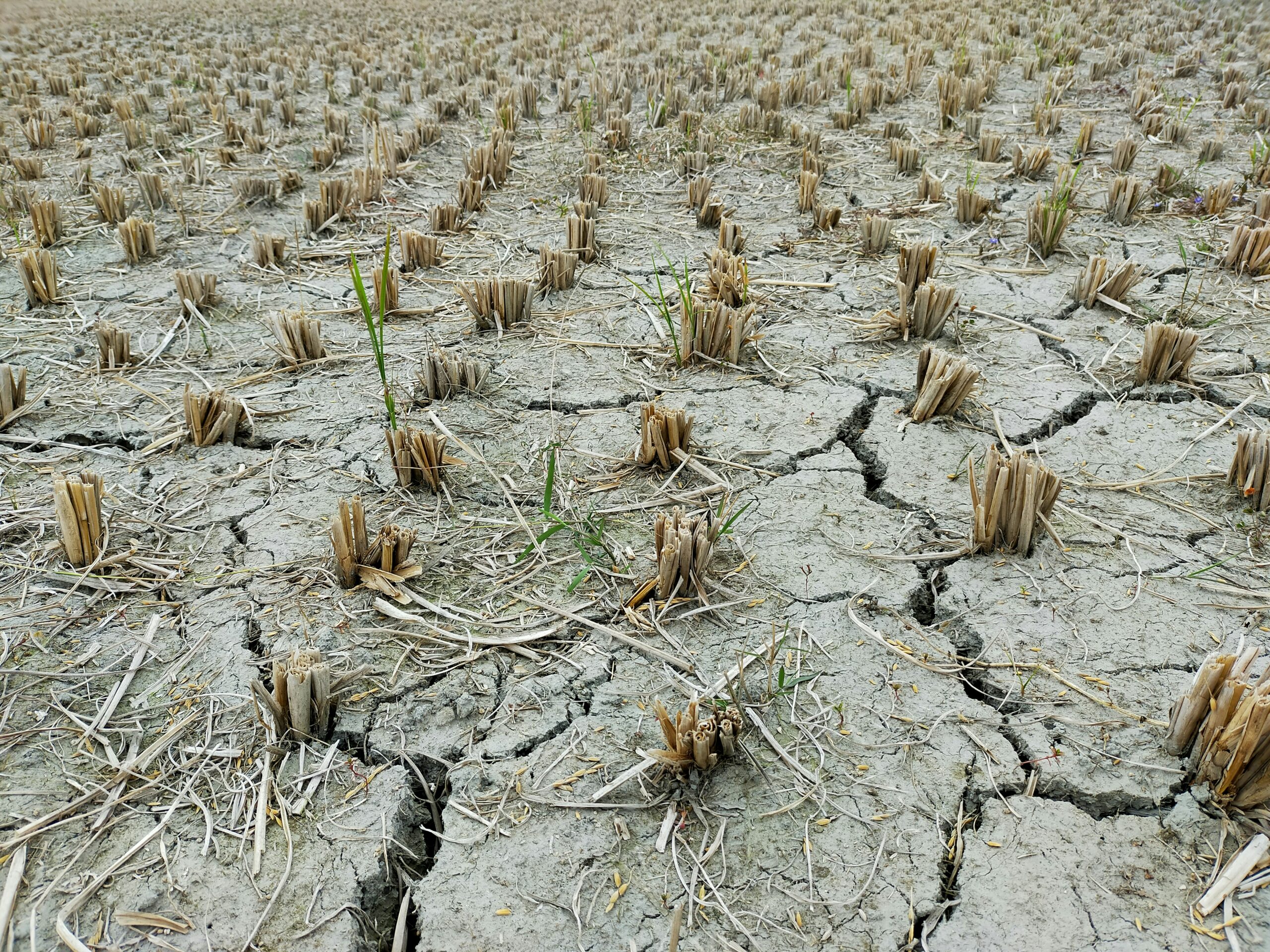
The critical global trade artery of the Panama Canal is grappling with an escalating operational crisis, forcing major shipping firms to implement temporary surcharges and drastically reroute vessels due to severe drought conditions exacerbated by the El Niño weather pattern. This unprecedented water shortage is compelling the Panama Canal Authority (ACP) to impose rigorous restrictions on daily transits and ship drafts—the depth a vessel sits in the water—sending ripple effects through consumer supply chains and dramatically increasing shipping costs worldwide.
Historic Water Levels Cripple Transit Capacity
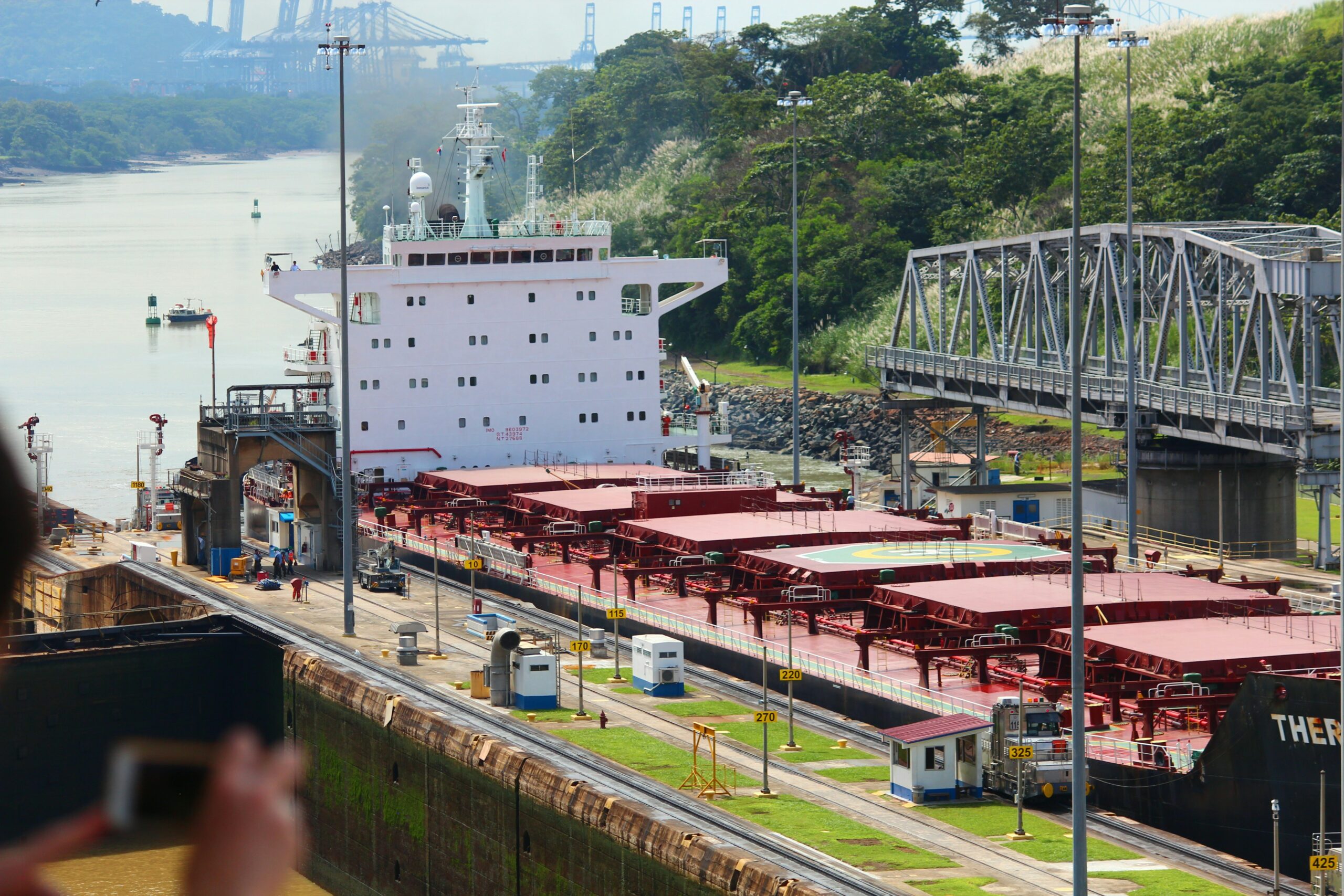
The Panama Canal, which carries approximately 6% of the world’s maritime trade, relies entirely on vast freshwater reservoirs—primarily Gatún Lake—fed by rainfall in the surrounding tropical rainforest. Historically low water levels, driven by the worst drought in decades, have severely limited the capacity for the lock system to operate. The ACP has responded by tightening restrictions since late 2023, capping daily crossings for larger Neopanamax vessels and reducing the permissible draft to protect the integrity of the waterway and surrounding ecosystem.
Shipping lines, which rely on the predictability of the 82-kilometre shortcut between the Atlantic and Pacific oceans, are now scrambling to secure limited passage slots. The scarcity has led to chaotic bidding wars, with reports of extraordinary premiums paid to bypass weeks-long queues. For example, some bulk cargo vessels have reportedly paid auction fees topping $4 million on top of standard transit costs to ensure timely passage, reflecting the high value placed on avoiding lengthy detours.
Surcharges and Diversions Impact Supply Chains
The financial pressure is quickly being transferred to consumers and businesses. Several major container shipping companies, including industry heavyweights, have recently announced “Panama Canal drought surcharges” for cargoes utilizing the route. These fees are designed to cover the escalating operating costs, including higher slot prices and reduced cargo capacity—as ships light-load to meet draft requirements.
Vessels unable to meet the reduced draft often must offload cargo onto smaller ships (a practice known as “lightening”) before transiting, adding days and significant expenditure to the journey. Alternatively, ships carrying high-value or time-sensitive goods are increasingly opting for much longer routes.
Common Alternative Shipping Routes:
- Suez Canal: The primary alternative, adding weeks and substantial fuel costs to voyages between Asia and the U.S. East Coast or Europe.
- Cape Horn (South America): A perilous and lengthy southern circumnavigation, generally reserved as a last resort.
Experts caution that prolonged restrictions could translate into higher retail prices, particularly for perishable goods and high-volume manufactured products typically transported between Asia and the Americas.
Coping with the Climate Reality
The crisis underscores the vulnerability of global infrastructure to climate change and extreme weather events amplified by El Niño. Panama’s rainy season has proven inadequate to replenish reservoirs, forcing authorities to prioritize water usage between human consumption (drinking water for surrounding major cities) and maritime trade.
The ACP is actively exploring long-term solutions, including constructing new reservoirs or utilizing alternative water sources, but such large-scale infrastructure projects require years of planning and investment. In the immediate term, the reliance on rainfall makes future operational planning highly uncertain.
For global freight forwarders and cargo owners, the current environment necessitates contingency planning. Companies are advised to factor in significant delays, negotiate flexible contracts, and explore diversified routing strategies to mitigate disruption risks posed by continued water scarcity in vital waterways like the Panama Canal. Until substantial rainfall returns, the constraints on one of the world’s most critical maritime shortcuts will continue to ripple outward, stressing the resilience of global commerce.