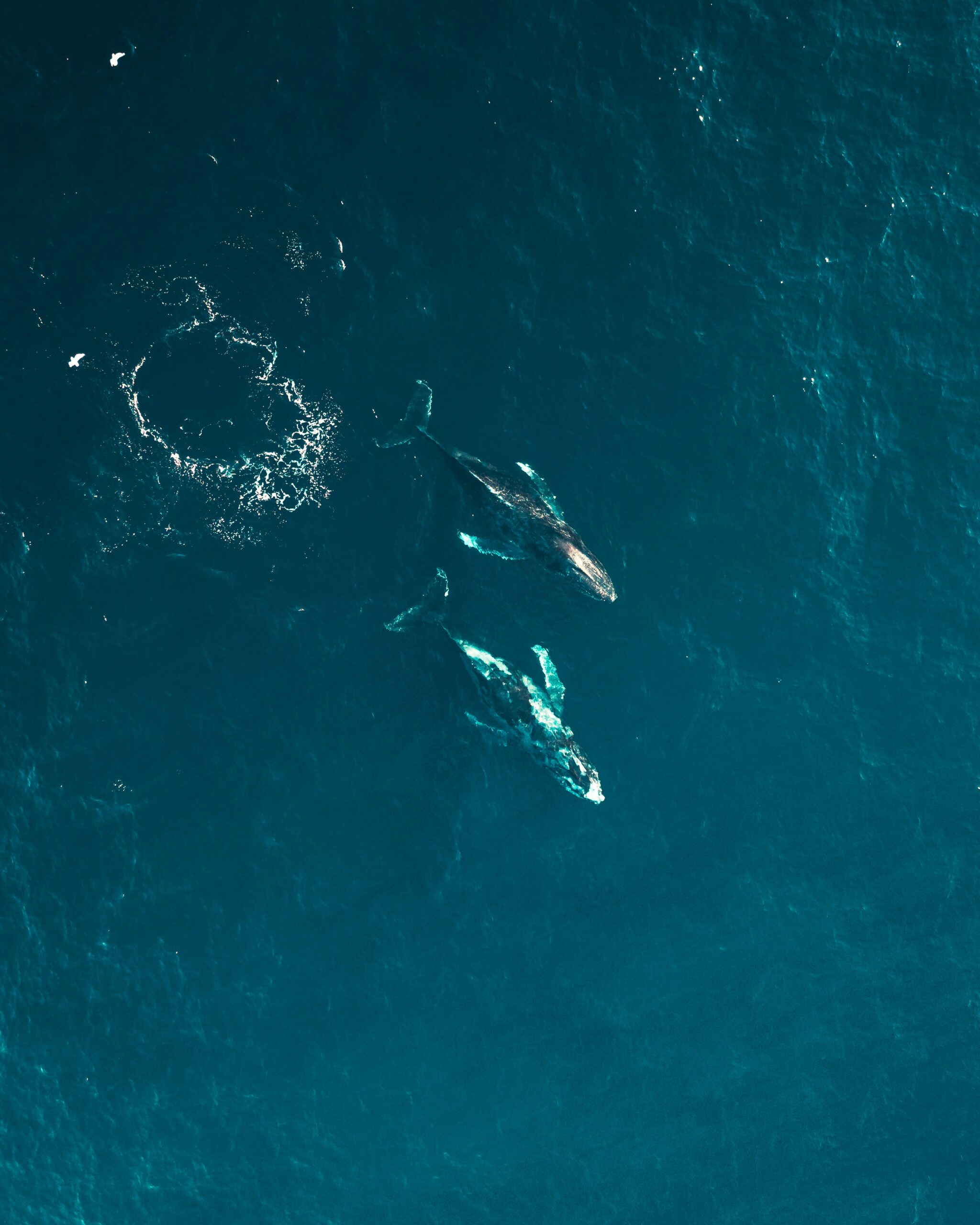
PERTH, AUSTRALIA — Marine biologists have successfully mapped millennia-old migration pathways used by vast populations of baleen whales along the coast of Western Australia, offering unprecedented insight into the deep history of these oceanic giants. Utilizing advanced sonar technology and sediment analysis, an international research team from institutions including the Australian National University and the University of Western Australia identified subtle but clear signatures of regular, large-scale travel routes maintained over thousands of years, significantly predating modern whaling activity. The findings establish that key offshore areas historically served as crucial migratory corridors, a discovery that could fundamentally reshape current marine conservation strategies and inform efforts to protect the recovering whale populations globally.
Uncovering Historical Ocean Highways
The research focused primarily on the continental shelf waters adjacent to Western Australia, a region currently vital for migratory Humpback and Blue whales. Unlike tracking modern whales, which relies on satellite tags, this team adopted a paleo-oceanographic approach. By meticulously analyzing deep-sea sediment cores, researchers looked for ancient deposits of biological material—specifically, microscopic organic residues shed regularly by migrating pods.
“These whales were not just transient visitors; they were following established, predictable routes for generations,” explained Dr. Evelyn Reed, lead marine archaeologist on the project. “The sheer density of the biological signature suggests migration numbers were considerably higher than even optimistic modern estimates before the industrialized whaling era decimated the stocks.”
The pathways identified are distinct from modern shipping lanes, often hugging shallower, nutrient-rich coastal waters. These ancient routes suggest a historical preference for areas that may have offered greater feeding opportunities or protection from historical predators, emphasizing the deeply ingrained, geographical memory of these massive mammals.
Implications for Modern Conservation
During the 20th century, commercial whaling severely reduced the populations of many baleen whale species, including Blue, Fin, and Humpback whales. While many stocks are recovering due to global protection efforts, understanding their historical usage of marine landscapes is critical for effective planning.
The newly mapped corridors overlap with several areas currently under consideration for energy exploration or deep-sea mining. Conservationists argue that this historical data provides compelling justification for increased protection.
Key takeaways for marine conservation planning:
- Identify Critical Habitat: The study pinpoints specific, previously unprotected offshore areas that served as sustained, high-traffic historical routes essential for migration.
- Assess Cumulative Impact: Authorities must now consider the potential cumulative impact of human activity in these newly defined corridors on recovering whale stocks.
- Inform Marine Protected Areas (MPAs): The historical data strongly advocates for expanding existing MPAs or creating new zones to encompass these established ancient pathways.
The research also sheds light on the resilience of these species. The migratory accuracy over thousands of years indicates a profound ancestral knowledge passed down through generations, even after populations were drastically reduced.
Connecting Past and Future Policy
The findings are set to influence international frameworks for marine governance, particularly those concerning migratory species protected under conventions like the Convention on Biological Diversity. By proving the sustained importance of these oceanic highways, scientists hope to shift the focus of policy toward protecting not just static feeding or breeding grounds, but the entire journey.
Moving forward, the research team plans to use similar paleo-ecological methods in other areas of the Southern Ocean to build a comprehensive map of ancient whale migration across the globe. This effort aims to provide policymakers with the necessary historical context to ensure the long-term survival and full recovery of these iconic ocean travelers. The full implementation of conservation strategies based on these ancient maps remains the next critical step toward ensuring future generations of whales can utilize their millennia-old pathways unimpeded.