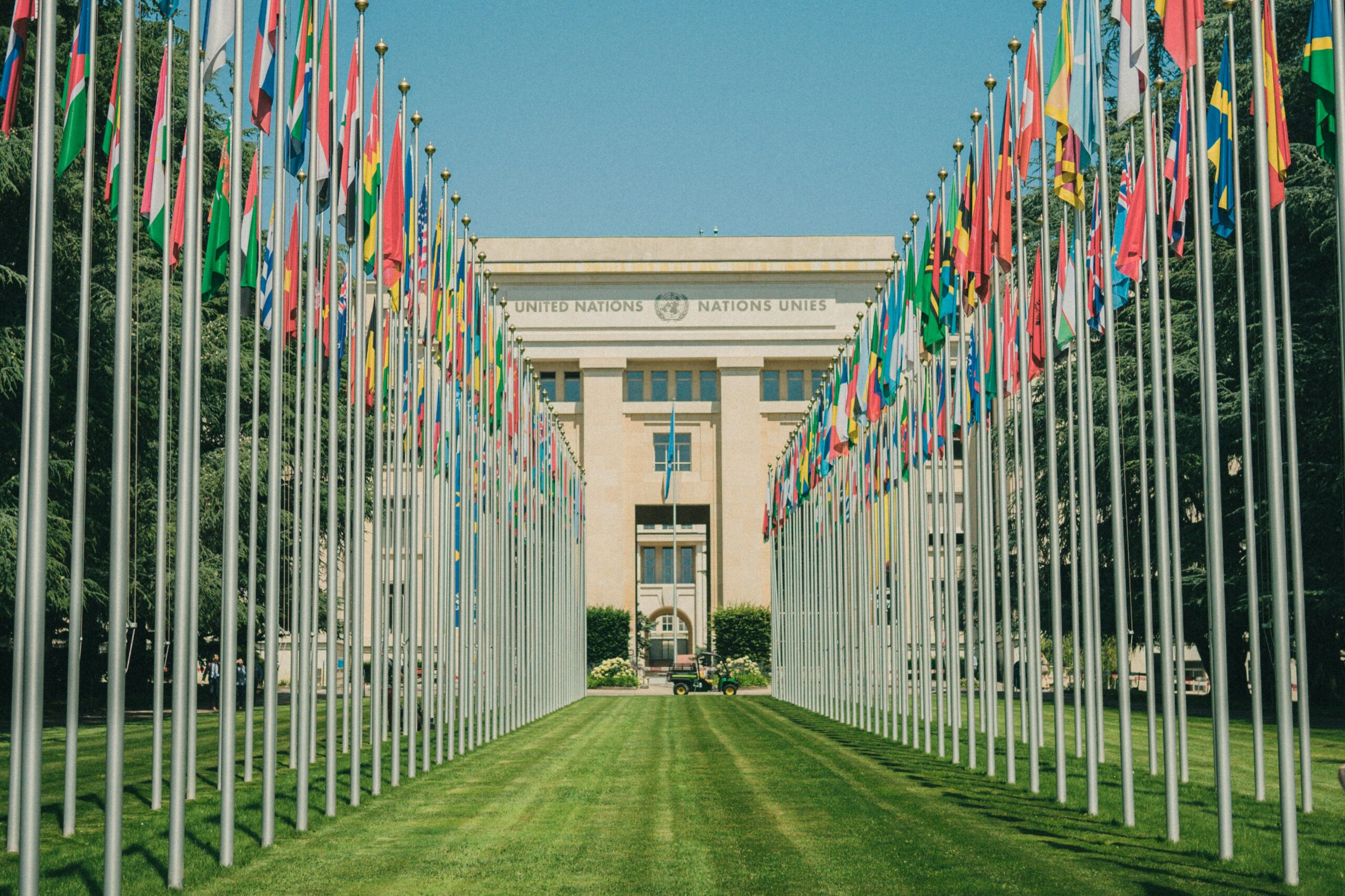
Geneva, Switzerland – Global health leaders, policymakers, and scientific experts convened this week at the World Health Organization (WHO) headquarters to address critical gaps in the international response to future pandemics. The high-level summit focused on translating lessons learned from recent health crises into actionable strategies, emphasizing the urgent need for equitable vaccine distribution, strengthened surveillance networks, and standardized global health regulations to mitigate the devastating social and economic impacts of the next major outbreak.
The recent forum, chaired by the WHO Director-General, underscored a consensus: the world remains dangerously unprepared for a rapidly spreading, novel pathogen. While the immediate threat of past emergencies has diminished, the institutional and systemic weaknesses exposed by those events—including unequal access to medical countermeasures and significant delays in information sharing—persist. Participants stressed that effective pandemic preparedness transcends medical research alone; it requires robust governance, sustained financing, and full political commitment from all member states.
Strengthening Early Warning Systems
A recurring theme of the discussions centered on bolstering global surveillance. Experts proposed establishing decentralized, interconnected regional hubs capable of rapidly testing and sequencing emerging pathogens. This network aims to bypass traditional bureaucratic bottlenecks, ensuring that vital information about novel viruses or antibiotic-resistant bacteria is shared almost instantaneously with international bodies and pharmaceutical developers.
Dr. Anya Sharma, a lead epidemiologist speaking at the conference, highlighted the necessity of empowering local health workers. “The first alert often comes not from a centralized lab, but from a diligent local clinician,” she noted. “We must invest in training, equipping, and supporting these frontline heroes who serve as the crucial tripwire against disease intrusion.”
Key proposals in this area include:
- Integrated Digital Platforms: Creating a single, interoperable digital platform for real-time reporting of unusual health events, accessible to all participating nations.
- “Warm Base” Capabilities: Maintaining a readily scalable capacity within pharmaceutical manufacturing to pivot swiftly from routine production to emergency vaccine development and deployment.
Addressing Vaccine Equity and Financing
One of the most contentious, yet crucial, elements debated was the financing mechanism for equitable access to medical tools. During prior health crises, wealthy nations secured the vast majority of initial vaccine supplies, leaving lower-income countries vulnerable and prolonging the global pandemic.
To prevent this hoarding behavior, delegates advanced the concept of a legally binding “equitable access framework.” This proposal suggests that any nation utilizing publicly funded research for medical countermeasures must agree, preemptively, to share a predefined percentage of the resulting vaccines or treatments with global mechanisms like COVAX at production cost.
Furthermore, discussions sought ways to ensure sustained funding for preparedness efforts, moving beyond ad-hoc emergency appeals. Many economists argue that treating preparedness as an investment—rather than an expense—is critical, citing estimates that global shutdowns cost trillions, vastly outweighing the billions needed annually for proactive measures.
A Path Towards a Unified Global Health Treaty
The Geneva meetings served as groundwork for further negotiations on an international accord or treaty specifically dedicated to pandemic prevention and response. While complex political negotiations face headwinds, the urgency expressed by scientists and health ministers suggests a strong momentum toward a unified front.
The successful implementation of these strategic shifts will depend heavily on political transparency and sustained financial commitment. The current efforts aim not merely to respond adequately to the next crisis, but fundamentally to reshape the global system to ensure health security for every nation. The commitment made this week is a crucial step toward creating a truly resilient world, armed with the knowledge and tools necessary to keep localized outbreaks from becoming global catastrophes.