Record-breaking dry conditions are gripping regions of Southern Europe, threatening agricultural yields, hydroelectric power generation, and essential drinking water reserves as the critical spring and summer seasons approach. Experts are sounding the alarm over the extended lack of rainfall, which follows persistent drought over the last few years, escalating fears of widespread water rationing and significant economic harm.
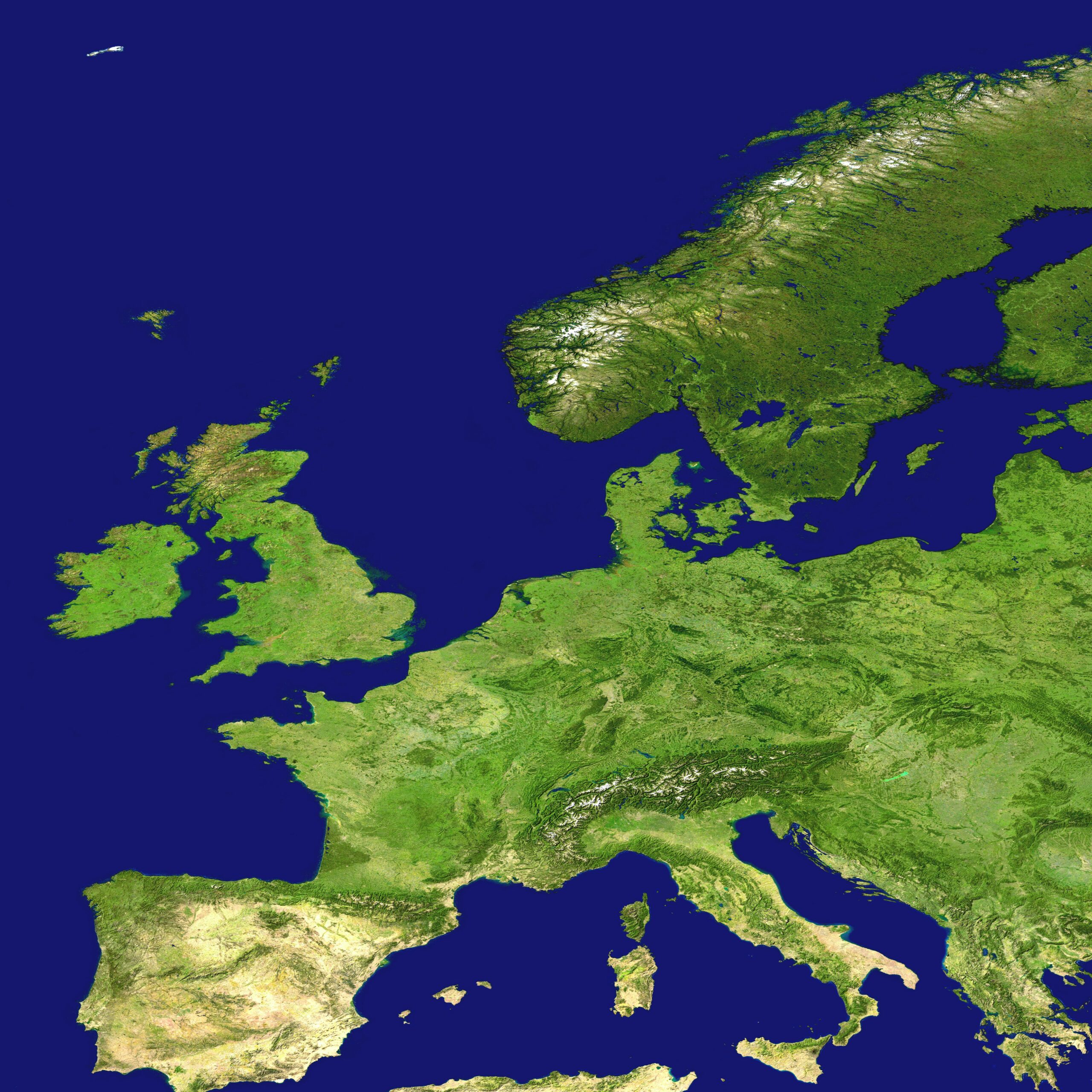
The severe water stress is most acutely felt across the Iberian Peninsula, notably Spain and Portugal, but also extends into parts of France and Italy. Consecutive winters of low precipitation and unusually high temperatures have depleted crucial water storage reservoirs to alarmingly low levels, drastically below historical averages. Meteorologists predict this cycle of warmer, drier weather is increasingly linked to observable climate change patterns, establishing a “new normal” for the Mediterranean basin.
Reservoirs Near Critical Lows
In Spain, which hosts Europe’s largest area of irrigated farmland, water reservoirs are hovering around 40% capacity nationwide, with some regions, particularly in Catalonia and Andalusia, reporting significantly worse figures. This shortfall directly imperils crucial crops like olives, rice, and various fruits and vegetables that rely heavily on irrigation. Farmers are already implementing emergency measures, including deep cuts to water usage, which inevitably translates to reduced harvests and potential revenue loss.
“The situation is unprecedented in its severity,” notes Dr. Elena Rodriguez, a hydroclimatologist based in Barcelona. “We are seeing the convergence of a multi-year drought combined with higher evaporation rates due to warming. Simply put, water is leaving the system faster than it is being replenished.”
The implications extend beyond agriculture. Hydroelectric power, a significant renewable energy contributor across Southern Europe, is being hampered as water flow slows, raising concerns about energy security and potentially driving up electricity costs dependent on imported or fossil fuels.
Responding to the Crisis
Governments are responding with a mix of short-term emergency measures and long-term planning. Authorities in Catalonia, for example, have activated the first stage of stringent water conservation protocols, including limiting water for industrial use and restricting irrigation for public parks and private gardens. Citizens are being urged to adopt radical conservation habits immediately.
Key strategies being rapidly deployed or considered include:
- Increased Water Reuse: Investing heavily in advanced wastewater treatment to make it suitable for non-drinking purposes, such as irrigation and industrial cooling.
- Desalination Plants: Expanding the capacity of existing desalination facilities, particularly along coastal areas, though this process is energy-intensive and expensive.
- Infrastructure Repair: Reducing leakage in aging public water networks, which can account for significant water loss in urban areas.
A Climate Change Reality
While droughts are a historical feature of the Mediterranean climate, experts agree the intensity and frequency observed recently are consistent with global climate models. The region is projected to become hotter and drier throughout the remainder of the century, making water management a defining feature of Southern European policy.
The necessity for collaborative, international solutions is paramount. As competition for limited water resources increases between urban centres, farming communities, and ecosystems, long-term sustainability demands innovative technology and a large-scale shift in societal water consumption habits. Without substantial, sustained rainfall soon, the threat of imposed water rationing across major cities looms large, underscoring the vital need for immediate and sustained conservation efforts.