SEO Terms: Zhang Wonyoung, IVE, Hong Kong Sovereignty, One China Principle
A recently released behind-the-scenes video featuring Zhang Wonyoung of the South Korean girl group IVE has inadvertently ignited a political controversy after she mistakenly referred to Hong Kong as a “country.” The footage, initially uploaded to the group’s official YouTube channel, drew swift criticism from mainland Chinese netizens and state media outlets, centering on the sensitive issue of Chinese sovereignty.
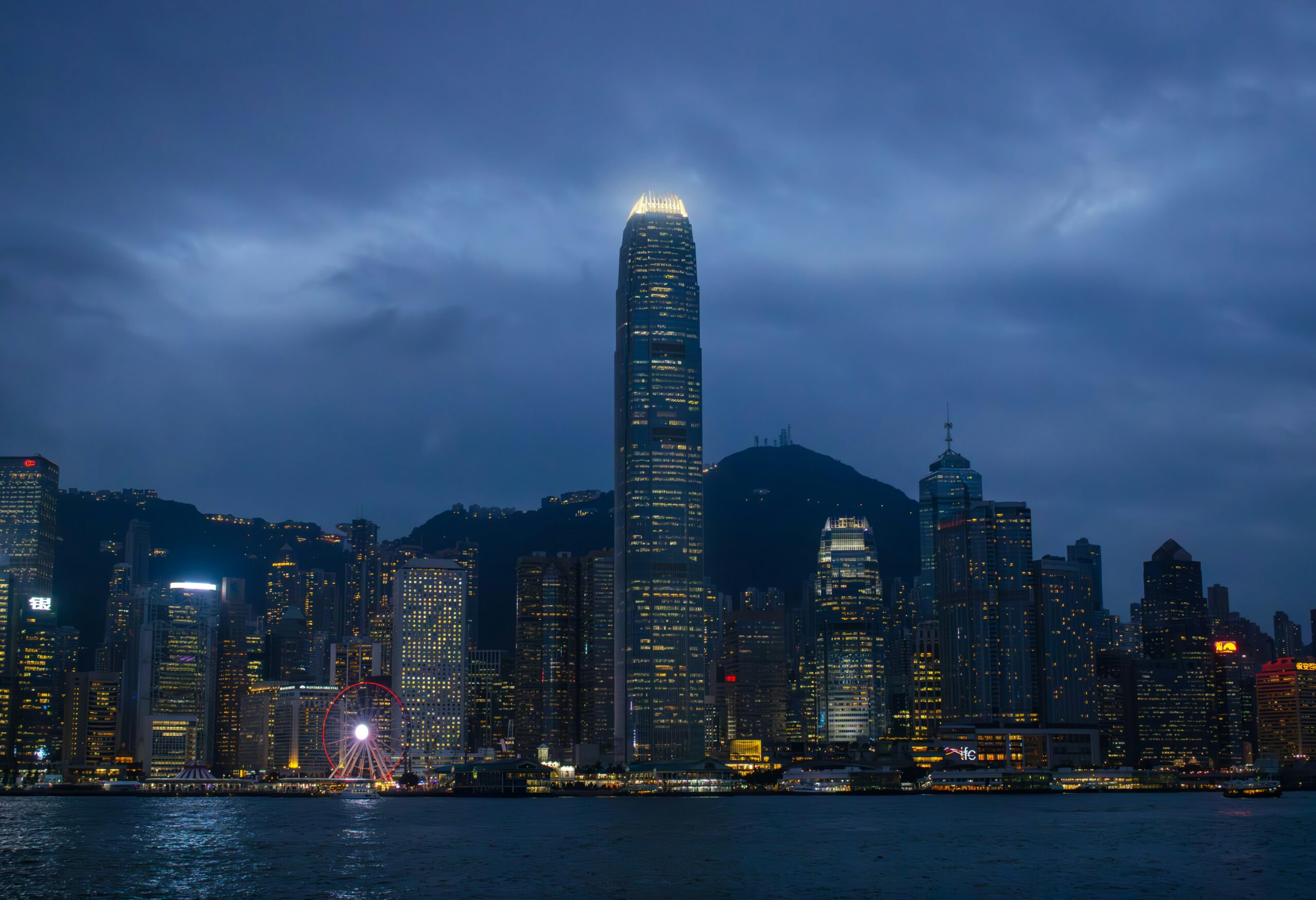
The video, documenting Zhang’s trip to Hong Kong for the MAMA Awards ceremony, captured her expressing enthusiasm for the city’s culinary scene. She mentioned her desire for a grand dinner, stating, “I love Hong Kong, there are a lot of delicious things here. It is one of the countries I like.” She additionally mentioned her specific craving for Peking duck.
However, the comment classifying the Special Administrative Region as a political state quickly drew a strong reaction online. Critics from mainland China emphasized that Hong Kong is an integral part of China’s territory, asserting that the remark violated the fundamental One China Principle. The ensuing backlash led to numerous posts on the social media platform Weibo denouncing the singer’s statement.
Several state-affiliated Chinese media outlets picked up the story, framing the incident as an example of foreign entertainers lacking the necessary political awareness when engaging with the lucrative Chinese market. An editorial in the Global Times highlighted the perceived dichotomy, suggesting that while Korean celebrities understand the financial importance of the Chinese market, they sometimes display a “double standard” by failing to respect China’s sovereignty. The commentary argued that such incidents demonstrate a lack of political sensitivity.
While the original footage appears to have been removed from the platform following the intense scrutiny, management for the K-pop group IVE has not issued an official response regarding the controversy or the statement made by Zhang Wonyoung.
This incident underscores the increasingly delicate political terrain that international entertainment figures must navigate when interacting with regions sensitive to the geopolitical status of China and its territories, particularly Hong Kong. For foreign talent seeking to maintain broad appeal across Asia, the need for stringent awareness regarding international political protocols and terminology remains paramount.
Beyond the immediate backlash, the controversy serves as a stark reminder of the vigilant public and media monitoring concerning issues of national identity and territorial integrity within Chinese digital spaces. The quick mobilization of online critiques and subsequent media coverage highlights the zero-tolerance approach toward statements interpreted as challenging the nation’s political boundaries.
The entertainment industry frequently grapples with balancing artistic freedom against geopolitical realities. Experts suggest that production companies and talent agencies are increasingly incorporating specialized cultural and political training to mitigate such risks, particularly for stars with significant exposure in East Asia. Further guidance emphasizes the need to utilize precise terminology when discussing territories like Hong Kong or Taiwan to avoid accidental political missteps.