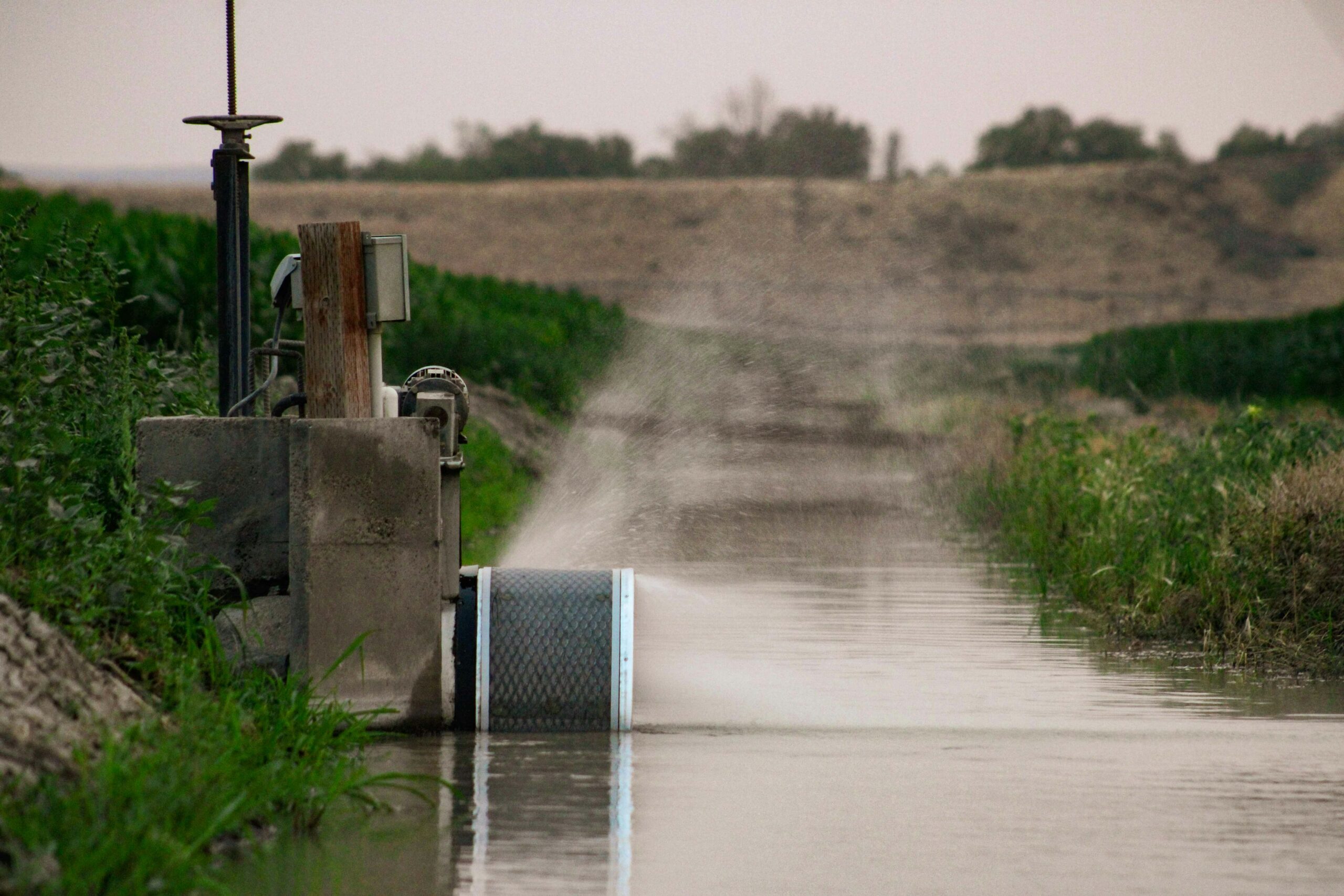
Extreme dry conditions are severely impacting major international shipping routes and inland waterways across multiple continents, threatening global supply chains, raising transportation costs, and challenging economic stability. From the critically important Panama Canal in Central America to vital European rivers and essential infrastructure in the United States, prolonged drought is reducing water levels, forcing shipping limits, and demanding costly operational adaptations worldwide.
Water Scarcity Halts Trade Flow on Major Shipping Lanes
The most immediate and dramatic impact is visible at the Panama Canal, a chokepoint handling approximately 5% of global maritime trade. Historic low water levels in Gatun Lake, which feeds the canal’s lock system, have compelled the Panama Canal Authority (PCA) to implement stringent transit restrictions. These measures include limiting the number of daily passages and significantly reducing the maximum draft (depth) allowed for vessels. This translates into fewer ships, carrying less cargo, leading to extended waiting times and substantial surcharges for shipping companies. Consequently, many carriers are opting for longer, more expensive alternative routes, such as circumnavigating Africa, which adds weeks to transit times and increases fuel consumption.
Similarly, in Europe, crucial arteries for continental commerce are struggling. The Rhine River, which serves as a vital conduit for transporting coal, oil, and chemicals from industrial hubs like the Netherlands to southern Germany and Switzerland, has seen unprecedented low water marks. When the water depth falls below certain crucial thresholds near key points like Kaub, barges cannot load to full capacity. This forces operators to either use smaller vessels or make multiple trips, exponentially increasing logistical costs and slowing the delivery of essential raw materials to manufacturing sectors.
Assessing the Economic Fallout
The combined effect of these disruptions is mounting economic pressure. Higher transportation costs often translate into increased consumer prices, potentially fuelling inflation. Furthermore, the diminished capacity and unpredictable nature of these shipping lanes interfere with just-in-time inventory systems relied upon by modern manufacturing.
Experts caution that while temporary measures, such as dredging or investing in specialized low-draft barges, can offer short-term relief, the underlying problem is linked to shifting global weather patterns and reduced rainfall, indicating a potentially long-term crisis.
“The normalization of these extreme weather events means that infrastructure designed a century ago is no longer adequate for the climate realities we face today,” said Dr. Elena Marquez, a global logistics analyst. “Companies must now factor water reliability into their risk assessments alongside traditional concerns like piracy or geopolitical instability.”
Adapting to a Drier Future
The scale of the disruption demands significant investment in resilience across the global freight industry. For example, the PCA is exploring long-term engineering solutions, including building new reservoirs or implementing water-saving technologies within the existing lock system, though such monumental projects take years to complete.
For industries reliant on inland navigation, the focus shifts to shifting cargo to alternative modes of transport, notably rail and road. However, these alternatives often lack the massive capacity of barges and ships and place added strain on existing land infrastructure.
Key sectors facing immediate pressure:
- Energy: Transport of petroleum products and coal.
- Agriculture: Export and import of perishable goods and grains.
- Manufacturing: Delivery of parts and raw inputs for heavy industry.
As persistent drought morphs from a cyclical irregularity into a structural constraint on transportation, the global economy must confront the interconnected challenge of climate change, trade logistics, and water management. Businesses are prioritizing resilient supply chain design, including decentralization and diversifying transportation modes, to mitigate future weather-related shocks. Failure to adapt could result in chronic market instability and permanently elevated costs across global commerce.