A well-known Hong Kong media personality, Yumi, recently revealed that routine medical examinations uncovered three or four hemangiomas on her liver, prompting ongoing interest in proactive health management. The 37-year-old artist shared the findings publicly, confirming that while the discovery was initially startling, medical assurances have mitigated concerns, underscoring the importance of preventative care and consistent monitoring.
During a media interview regarding her health status, Yumi described her immediate reaction to the diagnosis. She acknowledged the anxiety often associated with the term “tumor” but noted that doctors clarified the benign nature of the growths. Physicians reassured her that the presence of a few hemangiomas, which are non-cancerous collections of blood vessels, is relatively common. She indicated that her case was considered minor compared to some patients who may present with ten or more of the lesions, and that current monitoring protocols are sufficient.
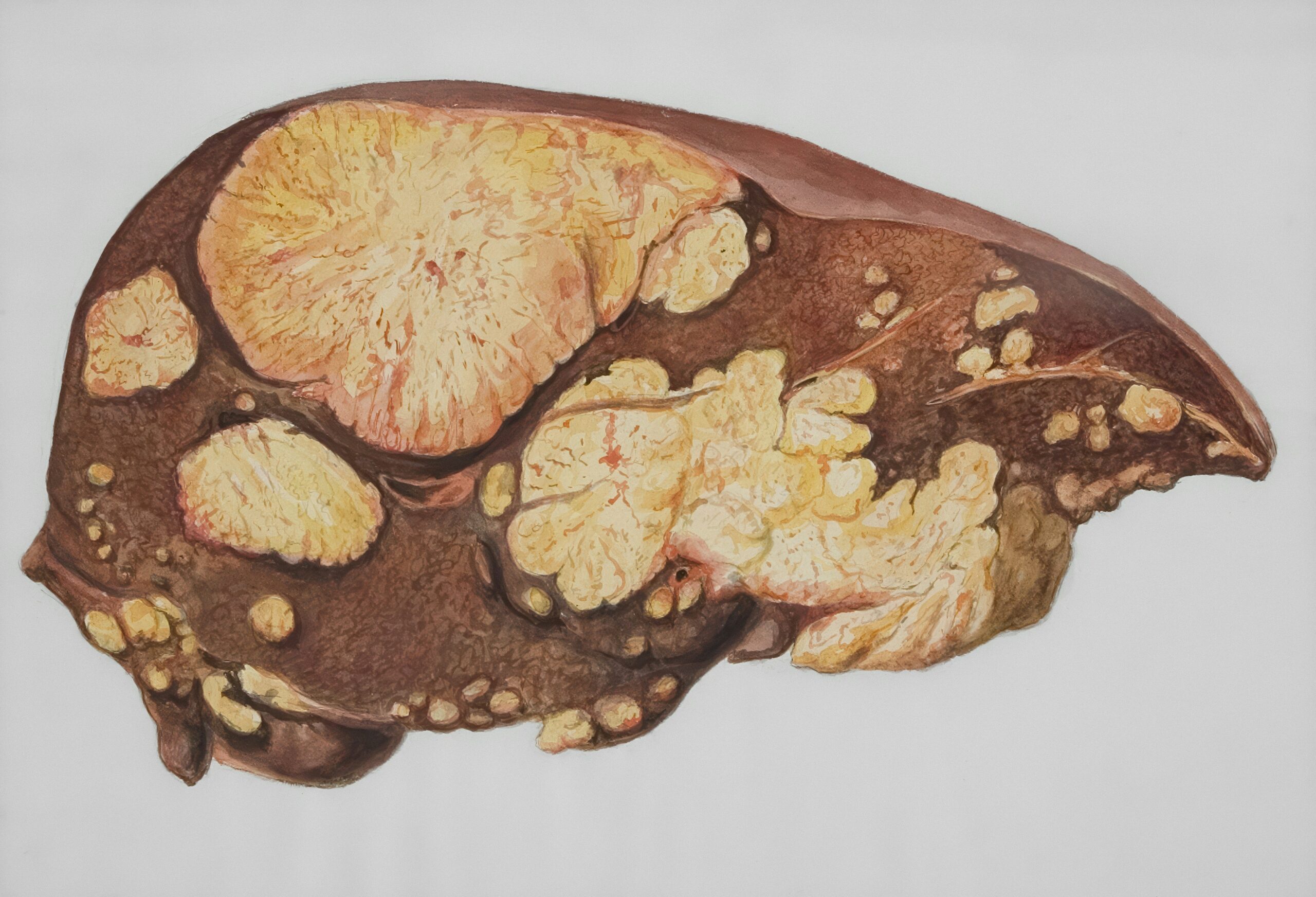
Hemangiomas are the most frequent type of benign liver tumor and rarely cause symptoms or necessitate immediate treatment. They are often detected incidentally during imaging tests performed for other health reasons.
Despite the recent finding, Yumi stated that she is currently asymptomatic, experiencing no specific physical distress directly related to the lesions. She attributed her generalized fatigue and lethargy mainly to a demanding professional schedule marked by persistent overwork and insufficient rest.
When addressing potential medical interventions, such as surgery or alternative treatments, the performer exhibited a pragmatic approach rooted in clinical guidance. “I am not overly concerned, but I am committed to following my doctor’s recommendations and paying closer attention to my physical condition,” she stated. Her current medical regimen focuses on active surveillance: regular check-ups and imaging scans to ensure the hemangiomas do not increase in size or undergo malignant transformation, outcomes that are exceedingly rare.
This public disclosure acts as a significant reminder for the public, particularly those with demanding lifestyles, to prioritize periodic health screenings. Early detection of asymptomatic conditions, even benign ones, allows for timely assessment and management, alleviating potential stress later.
Medical experts emphasize that while most liver hemangiomas require only observation, understanding risk factors is crucial. The condition is more prevalent in women and may sometimes grow during pregnancy due to hormonal influences. Individuals diagnosed with liver hemangiomas should maintain open communication with their hepatologist or primary care physician to establish an appropriate follow-up schedule.
Yumi’s experience highlights a crucial takeaway: leveraging routine medical care can transform potentially concerning discoveries into manageable health realities. Her decision to share her health journey demystifies the diagnosis and reinforces the message that proactive health vigilance is indispensable, even for conditions that are classified as benign. Continued monitoring remains the primary course of action, ensuring that she can maintain her busy career while prioritizing comprehensive well-being.