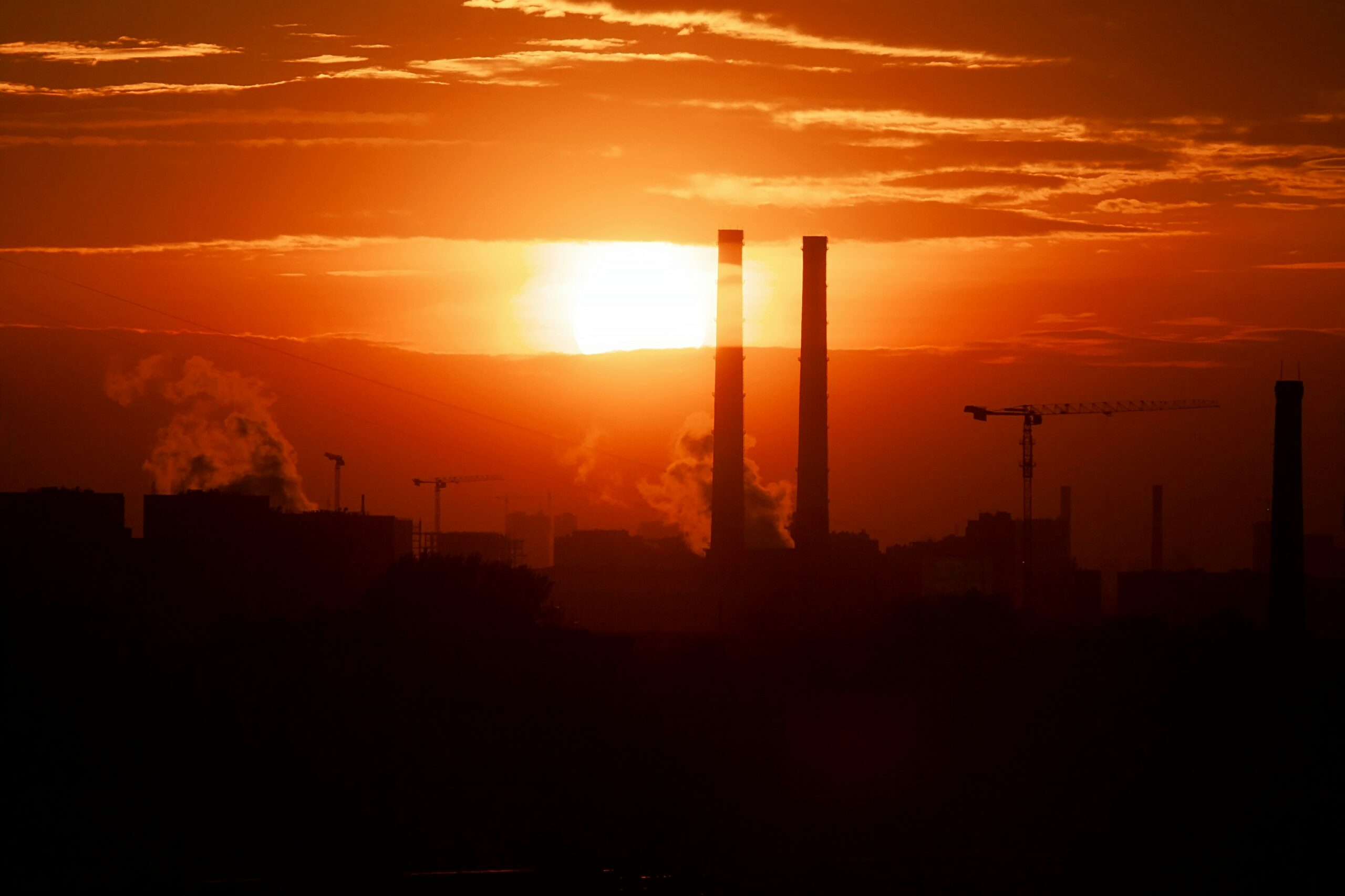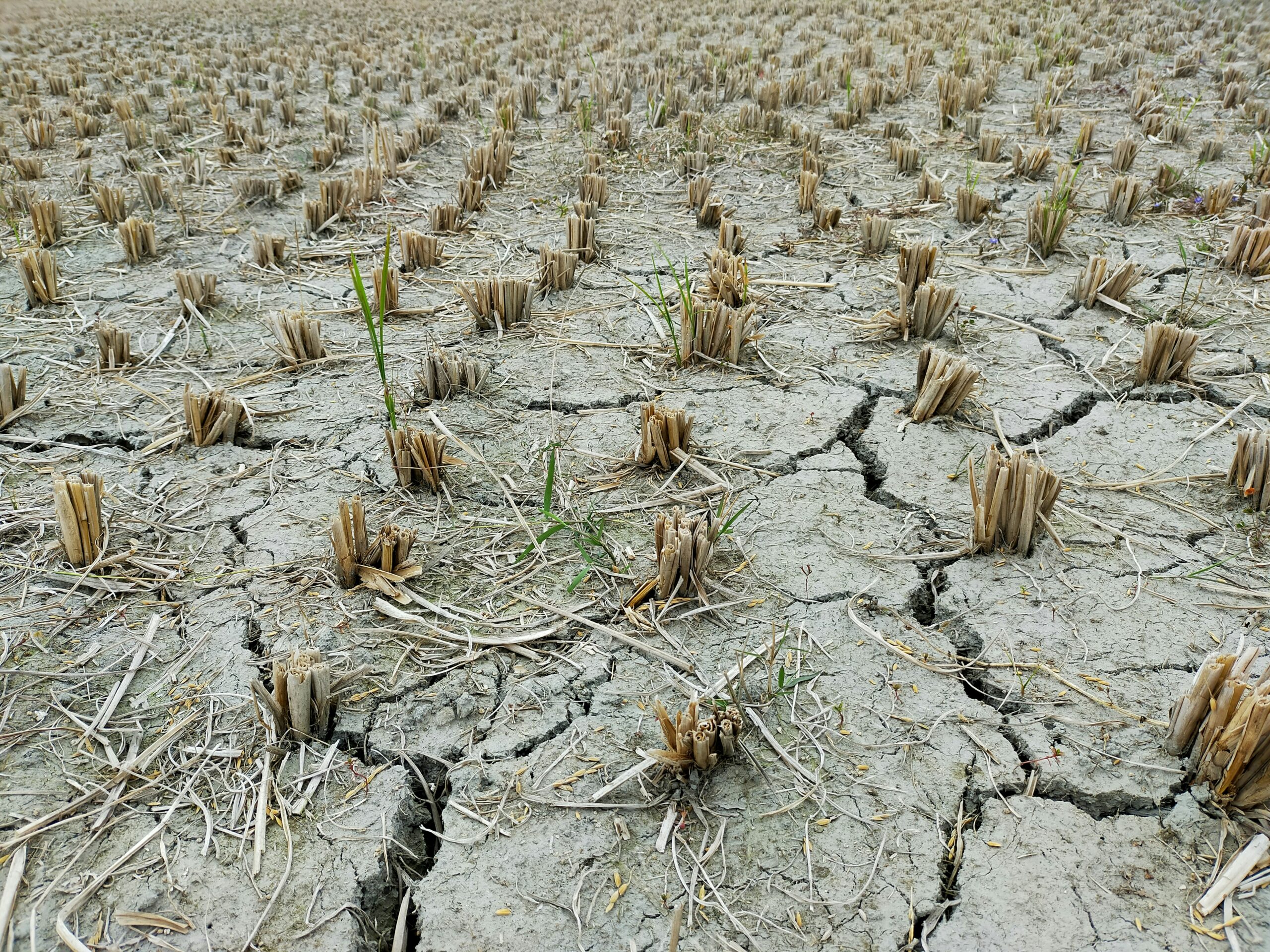
Climate change is increasingly destabilizing the production and security of the global food supply, demanding urgent adaptation strategies from governments and agricultural sectors worldwide.
The delicate equilibrium of global agriculture is under unprecedented strain as the climate crisis intensifies, presenting profound challenges to food security for billions of people. From erratic rainfall patterns to extreme heat and rising sea levels, these environmental shifts are directly impacting crop yields, livestock health, and the viability of farming communities across continents. Experts warn that current mitigation efforts are insufficient to counteract the rapidly accelerating threats, necessitating a fundamental rethinking of how the world produces, distributes, and consumes sustenance.
The core threat stems from the unpredictability of weather. Temperature anomalies shorten growing seasons in some regions while protracted droughts devastate traditional breadbaskets in others. For instance, recent studies highlight significant yield reductions in staple crops like maize and wheat across critical production zones, often coinciding with historic heatwaves and unpredictable monsoon failures. This volatility does not just affect farmers; it translates into volatile commodity prices and increased instability in global markets, disproportionately affecting developing nations reliant on imported foodstuffs.
Dr. Anya Sharma, an agricultural economist specializing in climate resilience at the University of London, underscores the precarious situation: “We are moving past abstract future threats. Climate instability is a present-day reality that is already eroding decades of progress in combating global hunger. Simply put, where and how we farm is changing faster than our ability to adapt.”
Strategies for Building Agricultural Resilience
Addressing this looming crisis requires a multi-faceted approach centered on both technological innovation and policy reform. One critical area is the widespread implementation of climate-smart agriculture (CSA). This involves techniques designed to sustainably increase productivity, enhance resilience, and reduce greenhouse gas emissions.
Key interventions gaining traction include:
- Drought-Resistant Crops: Developing and propagating genetically diverse, non-GMO seed varieties that thrive in hotter, drier conditions.
- Precision Farming: Utilizing data, sensors, and satellite imagery to optimize water, fertilizer, and pesticide use, minimizing waste and maximizing efficiency.
- Improved Water Management: Investing in micro-irrigation systems, rainwater harvesting, and soil health practices that enhance water retention.
Furthermore, international bodies and governments must bolster support for the world’s most vulnerable farmers, who often lack the resources to make necessary transitions. Crop insurance programs subsidized by the state can provide a vital safety net, encouraging risk-taking on new, more resilient farming practices.
The environmental fallout extends beyond plant life. Ocean warming and acidification are disrupting marine ecosystems, threatening global fisheries, which serve as a primary protein source for over three billion people. Simultaneously, heat stress is severely impacting livestock yields, compelling modifications to animal husbandry practices.
Looking ahead, the responsibility for securing global food systems rests not only on producers but also on consumers. Reducing food waste—estimated to be nearly one-third of all food produced globally—and shifting towards more sustainable dietary patterns with lower environmental footprints can significantly alleviate pressure on agricultural land and resources. The growing threat of climate instability is a clear call to action, demanding unprecedented global cooperation to weatherproof the primary source of human nourishment. Failure to act decisively risks widespread humanitarian crises and protracted economic instability.