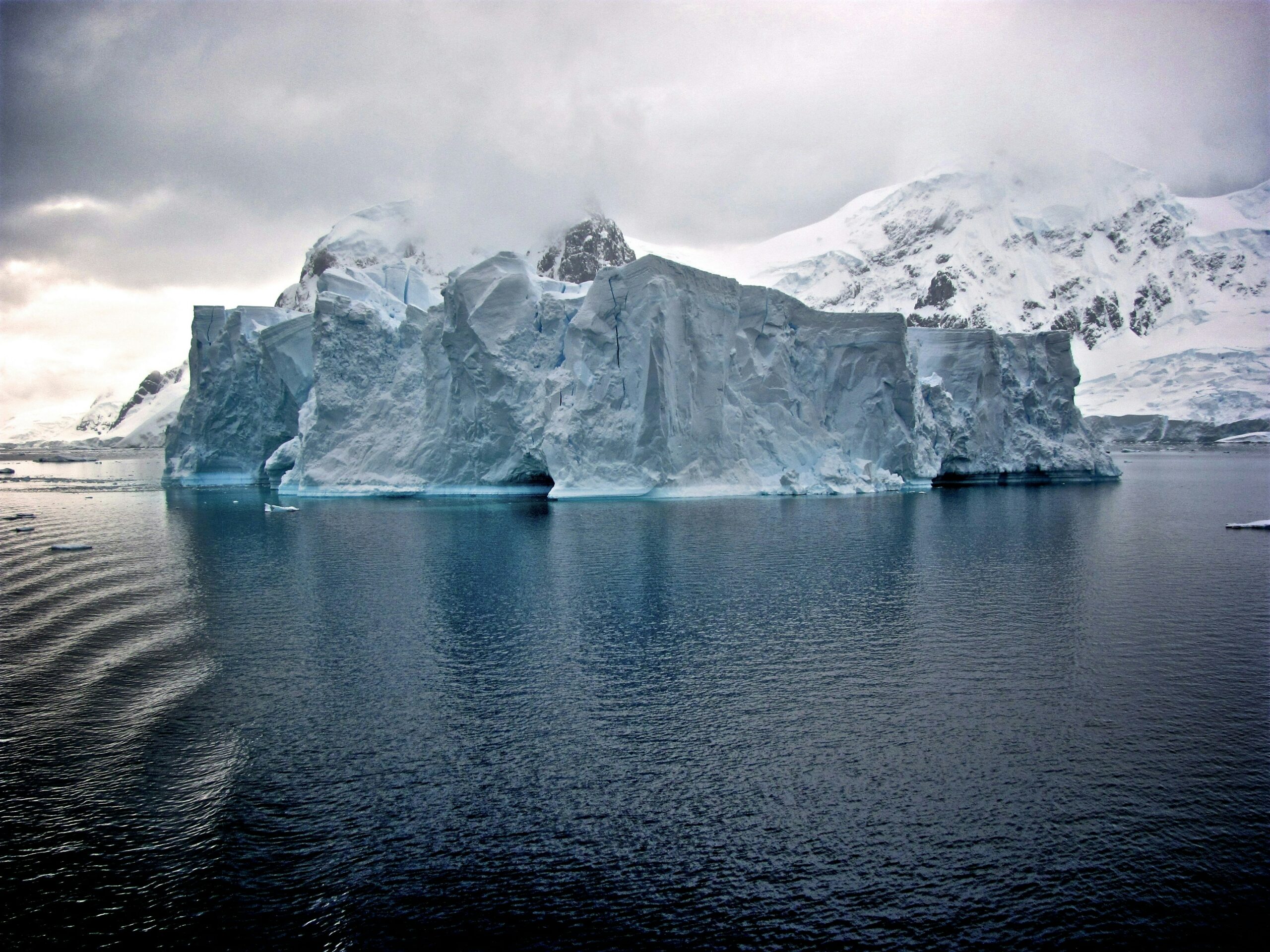
Punta Arenas, CHILE—International researchers have pinpointed a crucial, accelerating mechanism behind the rapid, destabilizing melt of the West Antarctic Ice Sheet (WAIS), identifying specific localized oceanic mixing processes that are drawing warm, deep seawater onto the continental shelves. This finding, based on a comprehensive observational study utilizing high-tech oceanographic equipment, provides urgently needed data for refining global sea-level rise projections and informs immediate conservation and climate mitigation strategies, scientists announced this week.
The study, spearheaded by a consortium of polar research institutions, focused on the Amundsen Sea Embayment, home to some of the fastest-melting glaciers globally, including the Thwaites and Pine Island glaciers. Current climate models often simulate a broad, basin-wide inflow of warm water. However, the new observations reveal a more nuanced and dangerous scenario: the interaction between shelf-break topography and strong near-surface winds systematically funnels warm, Circumpolar Deep Water (CDW)—which is denser and warmer than surface water—directly into the deep troughs that carve beneath the ice shelves.
“We knew warm water was penetrating these vital areas, but the pathway and speed of delivery were underestimated,” explained Dr. Sarah Cho, lead oceanographer on the expedition. “It’s not a slow seep; it’s a direct injection system driven by highly localized physics. This fundamentally changes how we must model the ice sheet’s immediate future.”
The Mechanism of Accelerated Melt
The critical discovery lies in the role of dense water cascades. As high circumpolar winds blow across surface waters, they create localized upwelling events along the shelf break. The warmer CDW, normally residing hundreds of meters below the surface, is then drawn up and over the continental shelf lip. Crucially, the topography of the seafloor—specifically deep canyons and troughs—acts as a conduit, channeling this heat directly toward the grounded ice-sheet bases.
This process accelerates the melting from below, thinning the protective ice shelves significantly. When these floating shelves weaken, the flow of the massive grounded glaciers behind them speeds up, increasing the rate at which Antarctic ice is dumped into the ocean. The WAIS alone holds enough water to raise global sea levels by several meters, underscoring the severity of this thermal forcing.
Implications for Sea-Level Rise
The complexity and localized nature of this oceanic mechanism challenge previous, more generalized climate change assumptions. Earlier models often projected steady melting rates; this new data suggests that the decay of key glaciers, such as Thwaites (often dubbed the ‘Doomsday Glacier’), could occur non-linearly and significantly faster than currently predicted.
Furthermore, scientists noted that the wind patterns driving this process are also subject to climate change, suggesting a potential positive feedback loop where warming atmospheric conditions intensify the winds, further increasing the delivery of warm water to the ice.
Key Takeaways for Policymakers:
- Refined Climate Models: Immediate incorporation of these localized fluid dynamics into global climate and sea-level rise models is essential for accurate future projections.
- Targeted Monitoring: Prioritizing sustained oceanographic monitoring within the deep troughs of the Amundsen Sea Embayment to track changes in thermal input velocity.
- Mitigation Urgency: The direct physical link between warm ocean water circulation and ice sheet stability underscores the need for aggressive global emissions reductions to stabilize ocean temperatures.
The research emphasizes that while atmospheric warming is the ultimate driver, the stability of the Antarctic ice sheets is critically vulnerable to precise, localized changes in ocean circulation. Addressing this issue requires not only curbing greenhouse gas emissions but also investing heavily in detailed polar observation technology to preempt inevitable shifts in ice dynamics. The next phases of this research will focus on replicating these observations across other vulnerable Antarctic sectors.