World commodity markets are witnessing a dramatic stabilisation in food costs, with the United Nations reporting a significant moderation after months of volatility driven by strong harvests in key regions and complex shifts in global currencies.
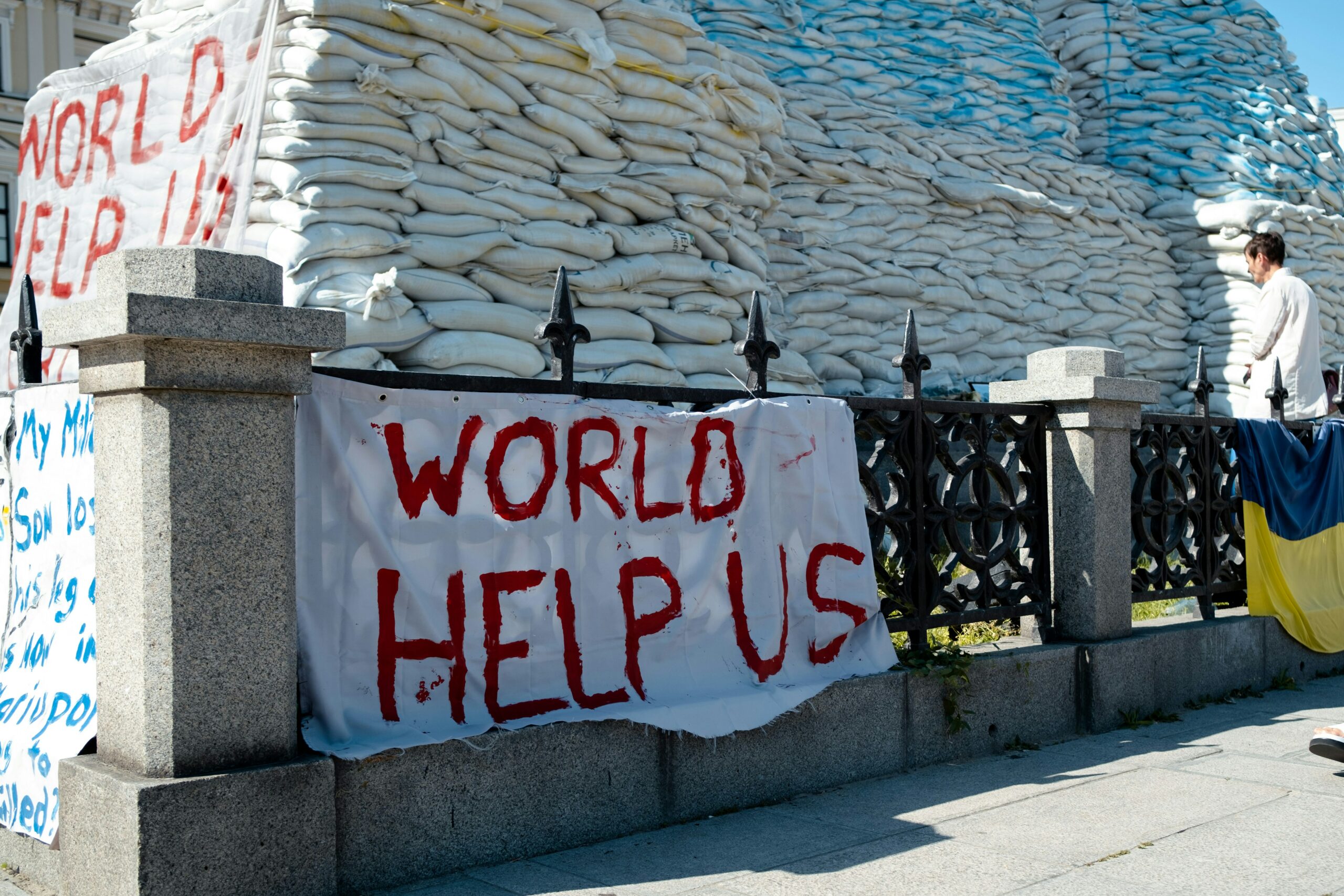
The internationally monitored index tracking the monthly change in the price of globally traded foodstuffs experienced a marginal dip in the most recent reporting period, according to the Food and Agriculture Organization (FAO) of the UN. This latest data point confirms an ongoing trend of price moderation, bringing global averages close to levels seen before the disruption triggered by the conflict in Ukraine and subsequent supply chain pressures.
Why Are Food Costs Stabilising?
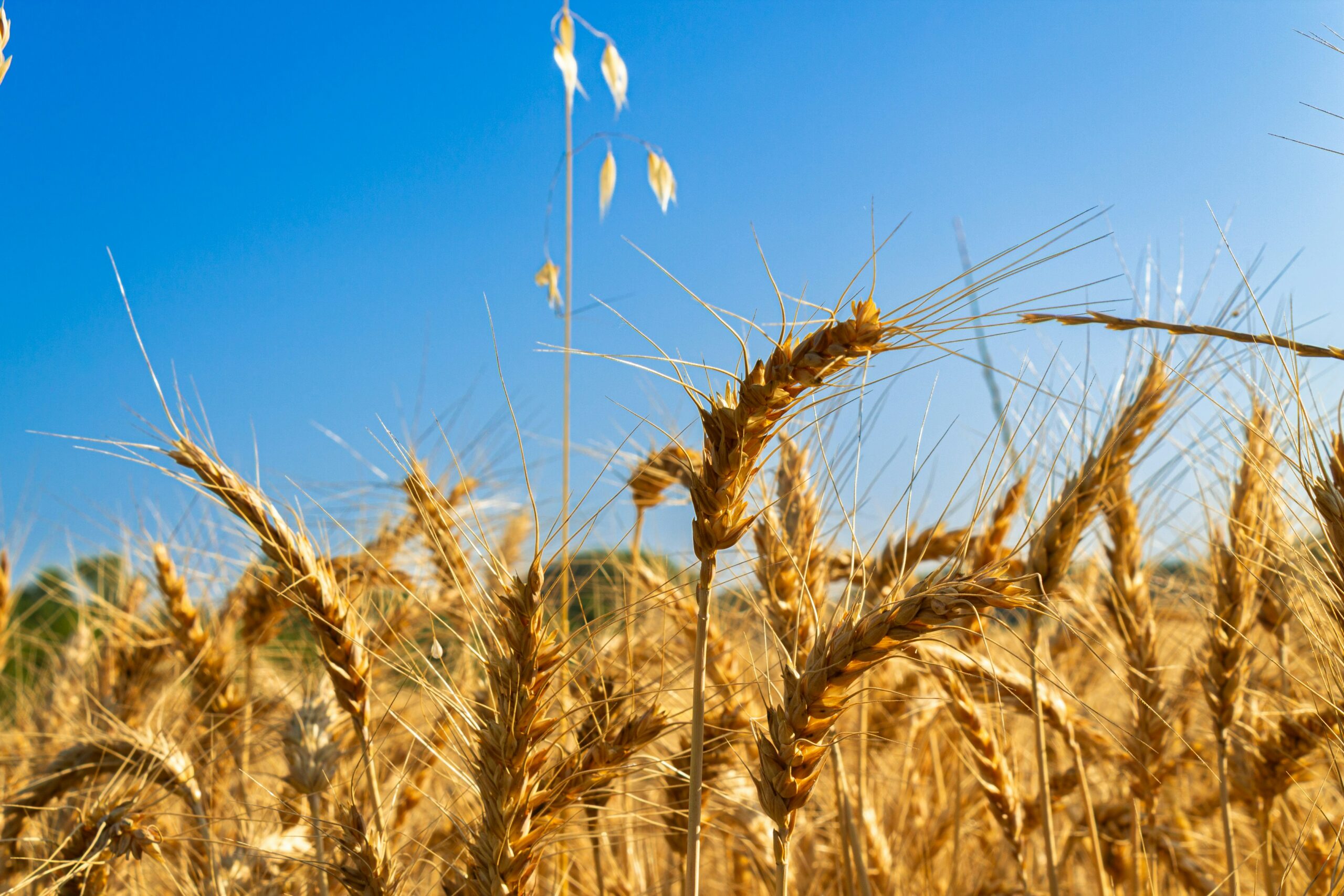
The primary driver behind the recent slowdown is robust supply, particularly in the staple cereal markets. Global wheat production estimates have remained strong across major exporting nations, alleviating fears of shortages. Similarly, bumper maize crops in South America have flooded the market, pushing down futures prices.
However, the picture is complicated by geopolitical and macroeconomic factors. While supplies appear sufficient, fluctuations in global currency valuations are having a mixed effect. For countries whose currencies have weakened significantly against the US dollar, essential food imports remain expensive despite lower commodity benchmarks.
“We are seeing a bifurcated market experience,” notes Dr. Anya Sharma, a senior economist specialising in agricultural trade. “For regions exporting commodities, strong production is excellent news for revenue. But where food reliance is high and local currencies are under pressure—particularly in parts of Africa and the Middle East—the grocery bill still feels heavy for the average consumer.”
Shifting Dynamics in Key Sectors
The FAO’s comprehensive food price index, which aggregates changes across five commodity groups, revealed contrasting movements in specific sectors:
- Dairy: Prices saw a modest rebound, primarily driven by strong import demand from several Asian nations and expectations of tighter European supplies later in the year.
- Vegetable Oils: The index for oils, including palm and soy, declined for the fourth consecutive month. This downturn reflects ample supply and reduced seasonal demand for immediate crushing.
- Sugar: Sugar prices registered a sharp decline, largely attributable to favourable harvesting conditions in Brazil, the world’s largest exporter.
Despite the broadly positive trend in stabilisation, concerns remain centred on the cost of rice and disruptions posed by climate change. Rice prices have remained elevated, boosted by export restrictions implemented by some major producers aimed at securing domestic supplies. This volatility poses a particular threat to populations heavily dependent on rice as a primary caloric source.
The Outlook: Resilience and Risk
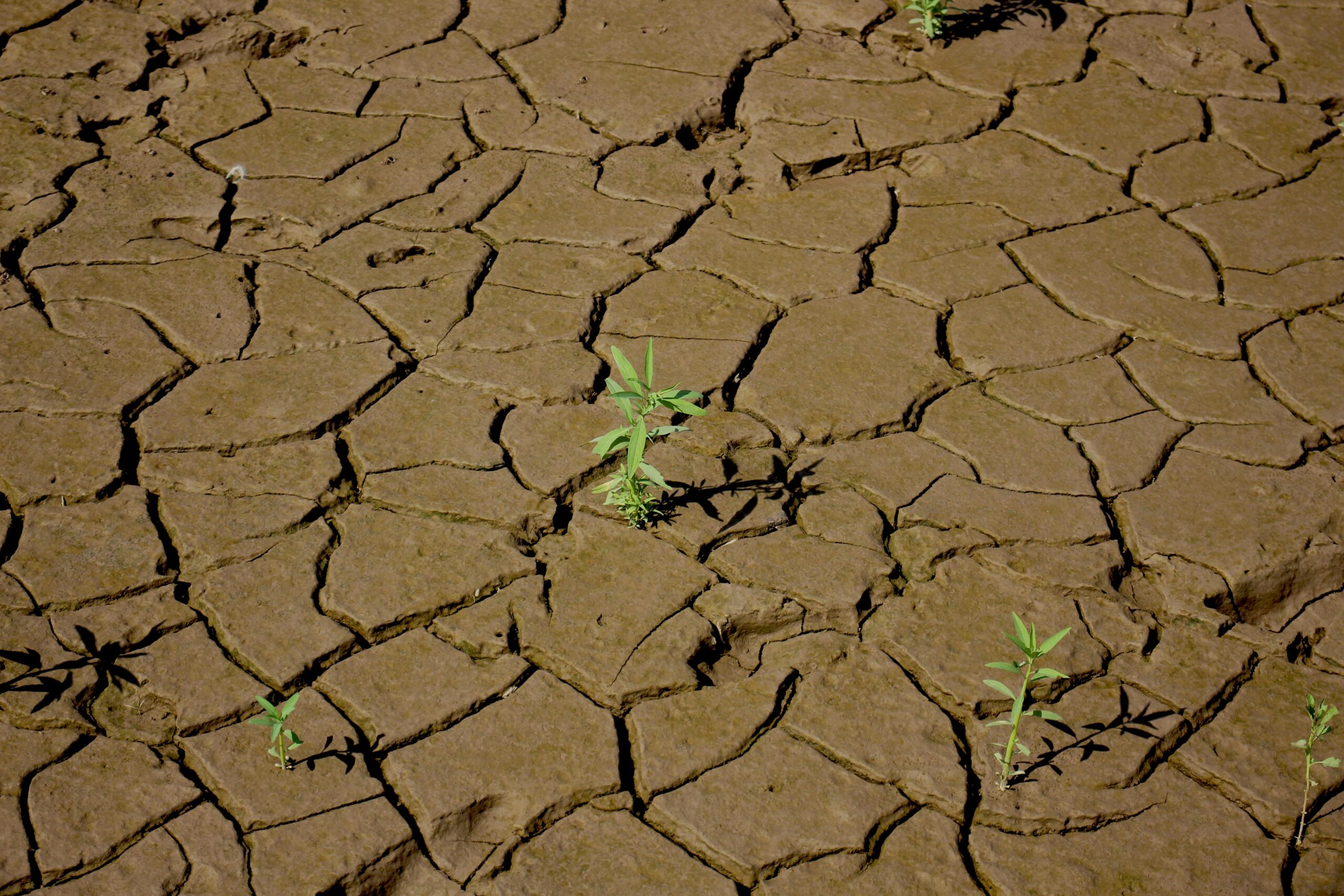
The current market composure offers a crucial window of opportunity for governments to replenish strategic reserves and implement measures to boost internal agricultural resilience. Analysts suggest that the stability is built on thin margins, and unforeseen climatic events—such as prolonged droughts or extreme flooding—could rapidly reverse the current moderation.
Climate resilience and sustainable farming practices are therefore paramount to maintaining long-term food security. Furthermore, policymakers are urged to monitor trade barriers and protectionist policies, which can quickly exacerbate price spikes even when global supply is adequate.
While the immediate crisis of runaway inflation appears to have passed for global food commodities, maintaining this stability requires continuous investment in diversified supply chains and international cooperation to manage price volatility and ensure fundamental access to affordable nutrition worldwide.